Madonna Adoring the Child by Basaiti, Marco
View the artwork: Madonna Adoring the Child →
This tiny panel, "Madonna Adoring the Child" by Marco Basaiti (c. 1520), is barely larger than a postcard. Housed at the National Gallery of Art in Washington, D.C., it was painted for private devotion in a Venetian bedroom, not for a church altar. But the real intrigue is hidden in plain sight, in the lower right corner.
Look closely at the signature. The visible "M. BASAITI / P." was painted directly over an earlier, more elaborate inscription reading "MARCHVS / BAXAITI P." The artist literally edited his identity on the panel, erasing one version of himself to present another. This palimpsest is a rare, documented moment of self-revision in Renaissance painting.
Basaiti remains a ghost in the historical record. Documented only once, in the 1530 ledger of the Venetian painters' guild, he likely came from Albanian origins and worked in the shadow of giants like Giovanni Bellini. His career bridged the quattrocento and cinquecento, forcing him to adapt his style to survive the radical shifts in Venetian art.
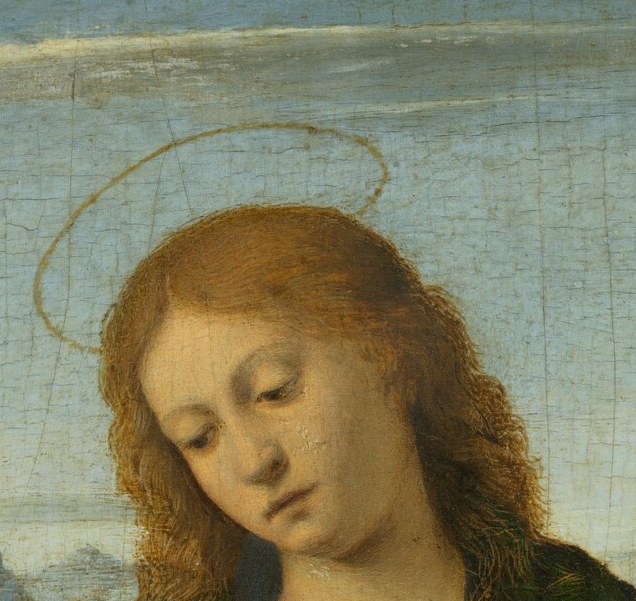
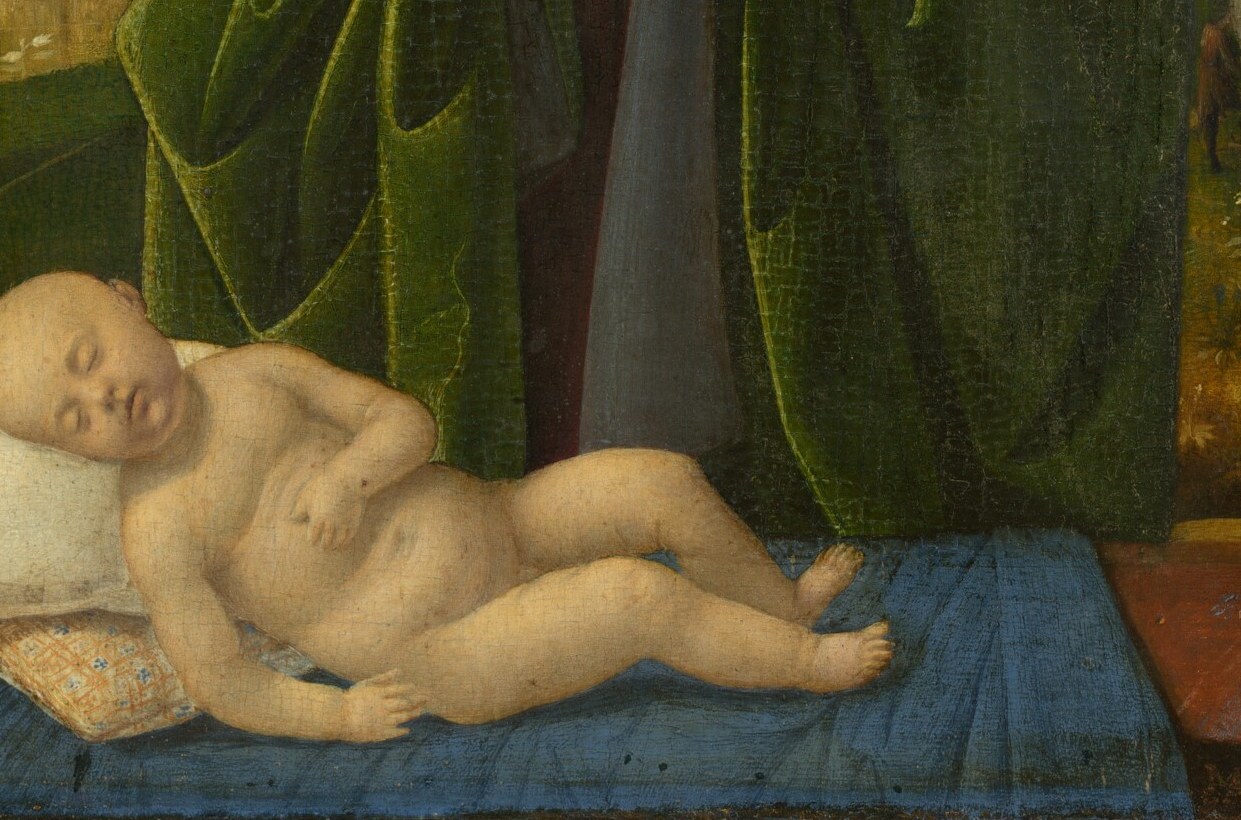
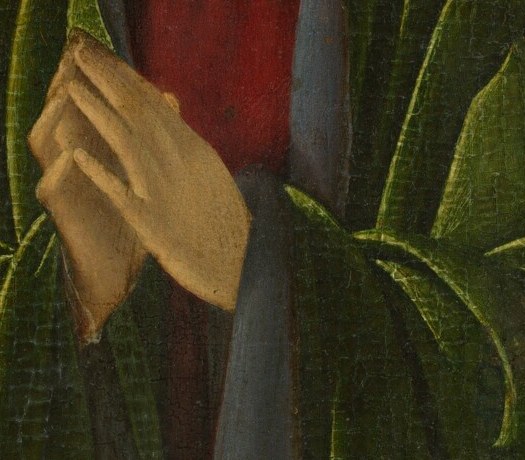
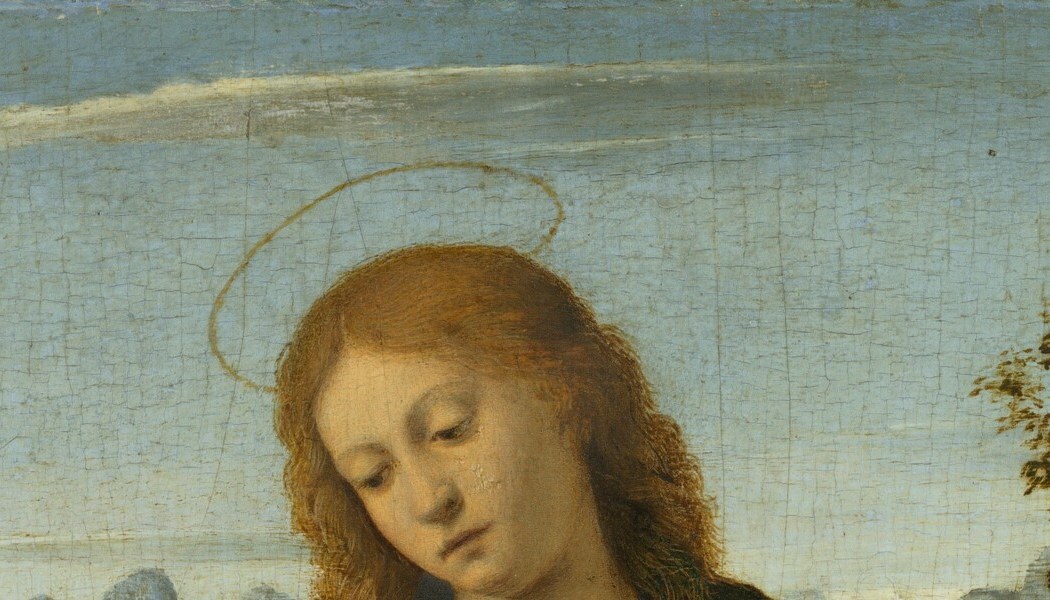
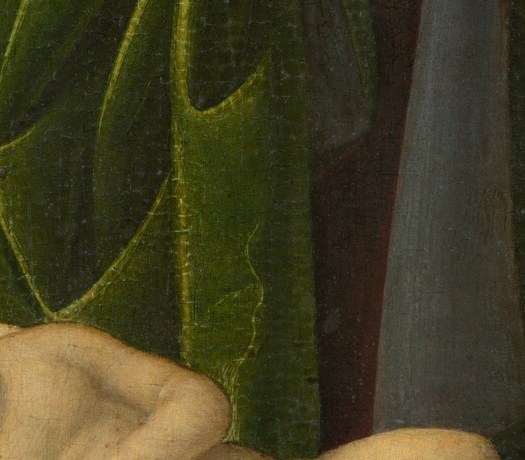
We see the Madonna in a moment of quiet adoration, her hands hovering over a sleeping child whose pose echoes a laid-out corpse. It is a meditation on birth and death, held in a frame small enough to hold in your hands. What does it mean for an artist to change his name on an object meant for prayer?
#arthistory #renaissance #venetianpainting
Details
Transcript
It is a scene of perfect stillness. Her hands hover but never touch him. A prayer of witnessing, not cradling. Now look at the lower right corner. His signature is a lie. Beneath it he painted over his own earlier name. A man so elusive he appears in only one guild record.