William Henry Huntington by Caroline Cranch
Caroline Cranch's portrait of William Henry Huntington (1890) is a quiet masterclass in oil painting technique, now in the collection of The Metropolitan Museum of Art. Cranch, an American artist born in Fishkill, New York, trained at a time when women's access to formal art academies was severely limited, yet this portrait demonstrates an absolute command of the medium's physical possibilities.
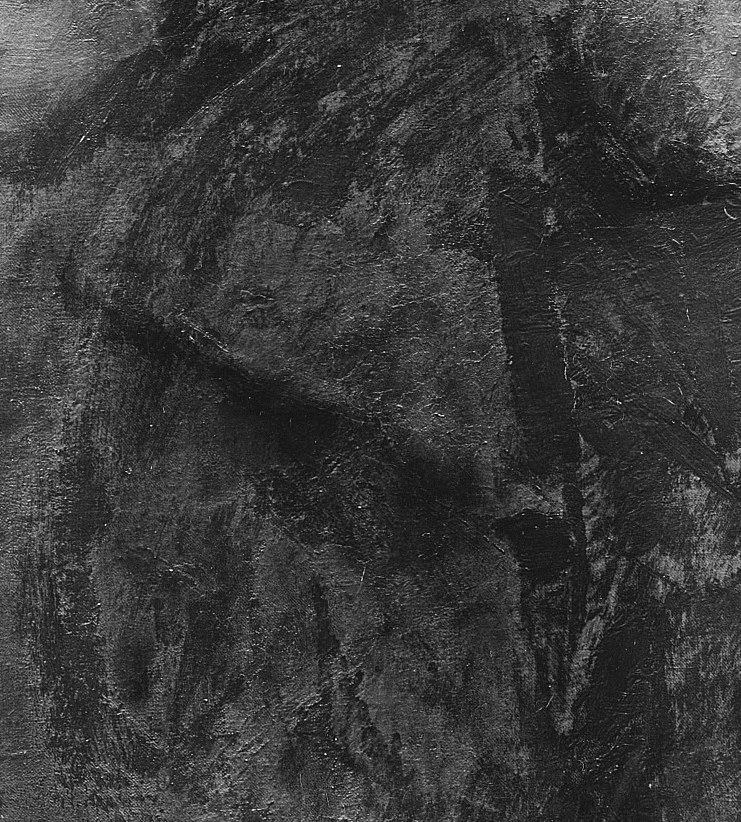
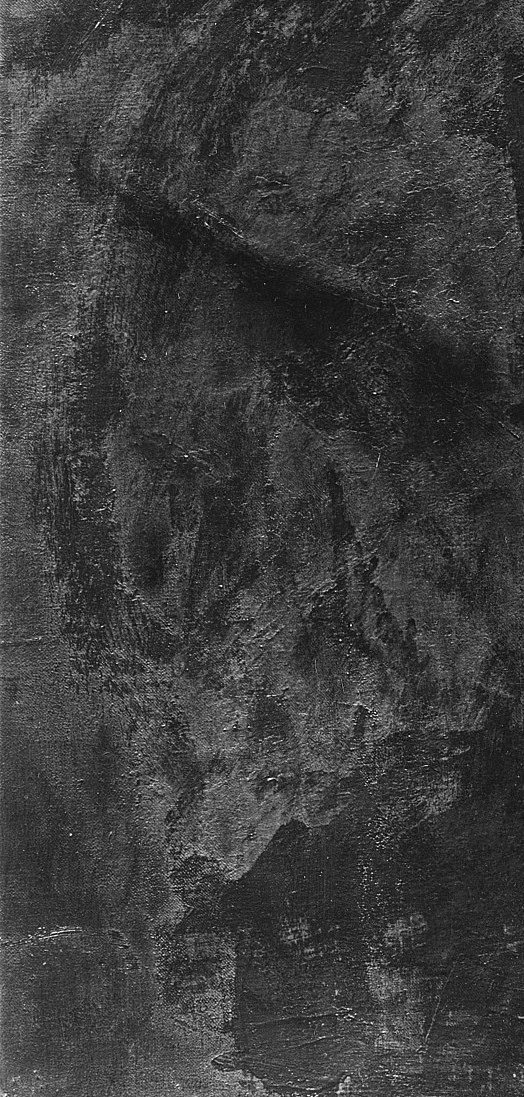
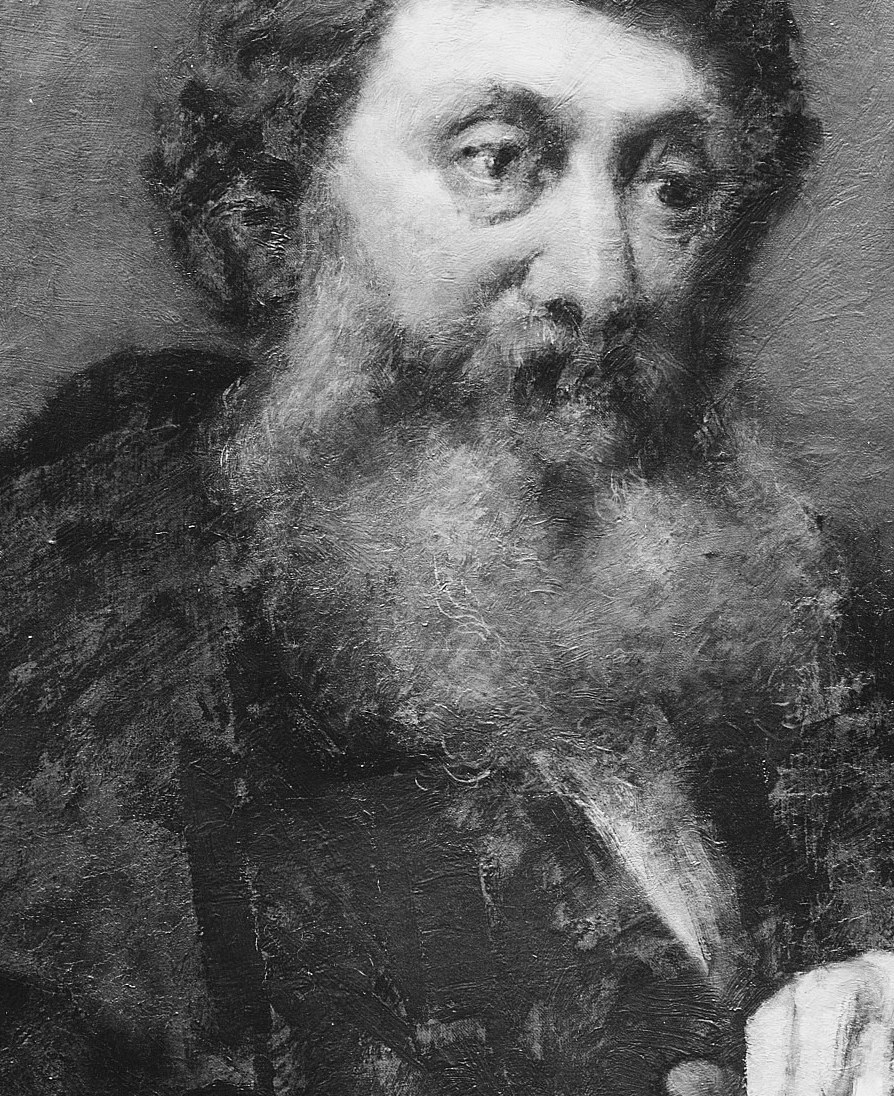
Watch how she handles two completely different textures on a single canvas. The dark fur coat is built with loose, confident impasto, thick paint laid on with a palette knife or stiff brush, giving the shoulder mass a rough, almost sculptural weight. The beard, by contrast, is painted in thin, translucent glazes that let the dark ground layer show through, creating the illusion of luminous white hair without ever looking heavy or overworked.
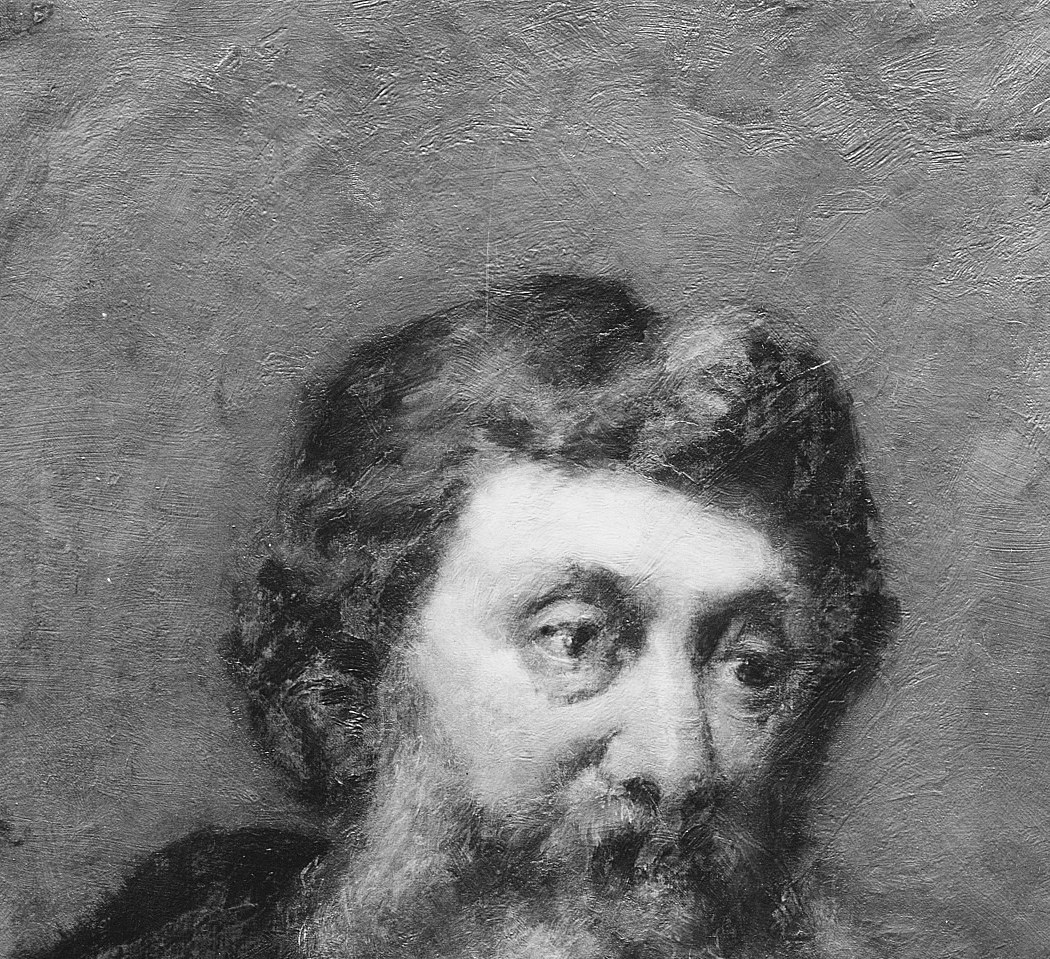
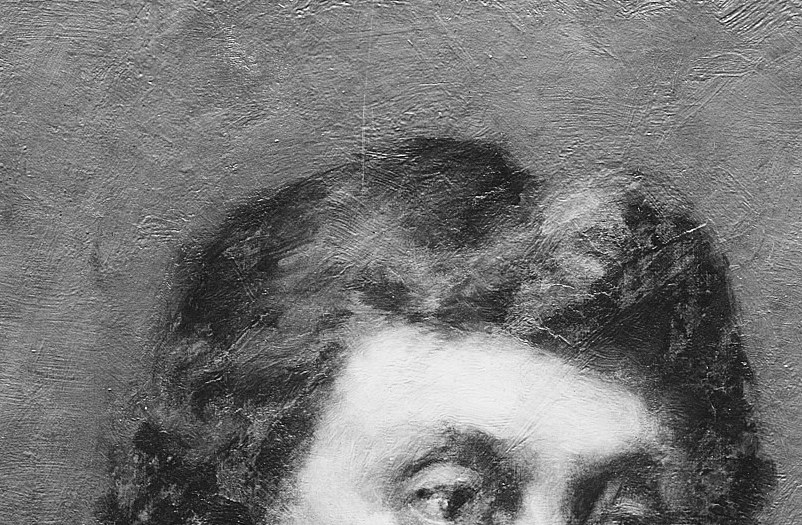
The most arresting moment is the eyes. After laying down the deep, Rembrandtesque shadows across the face, Cranch places a single, precise dot of white paint on each iris. That tiny highlight, a technique 19th-century portraitists called 'living eyes', makes the gaze feel immediate and alert, as if Huntington has just turned to look at you. It's a small, decisive gesture that turns a formal portrait into a charged encounter.
The background is not flat black but subtly modulated, with a faint warm differentiation in the upper right corner. Next time you stand before a dark-ground portrait, look into the shadows. A good painter never leaves them empty.
Details
Transcript
First, the coat. Thick, dark, almost abstract. She built it with fast, heavy strokes of the palette knife. Now the beard. Look how differently it's painted. Thin, translucent glazes let the dark ground show through. The shadowed side vanishes into the background. Against that, she set these eyes. A single dot of white.