View of the Forest of Fontainebleau by Gustave Courbet
Gustave Courbet, a leading Realist painter, created *View of the Forest of Fontainebleau* in 1855, now held at the Rijksmuseum. Courbet was known for his commitment to depicting nature exactly as he saw it, rejecting the idealized styles popular at the time.
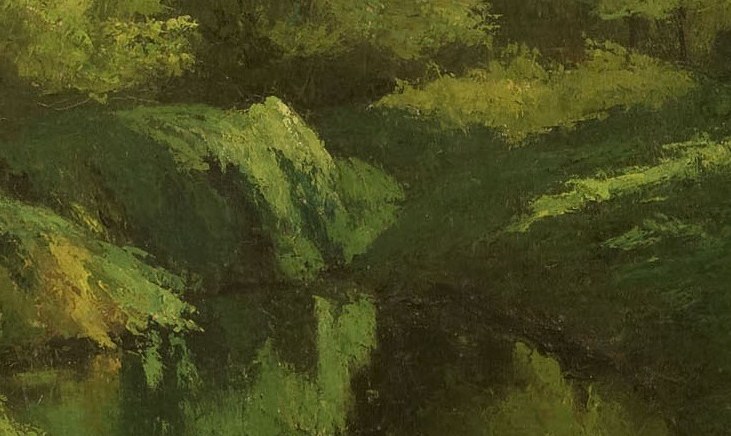
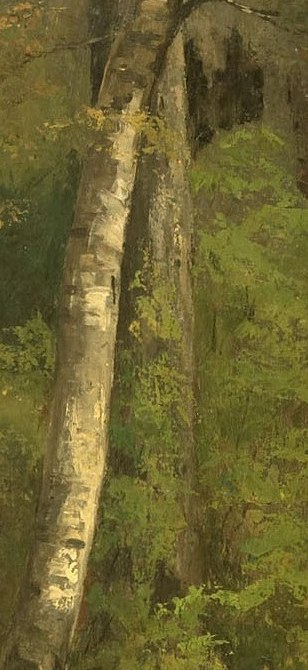
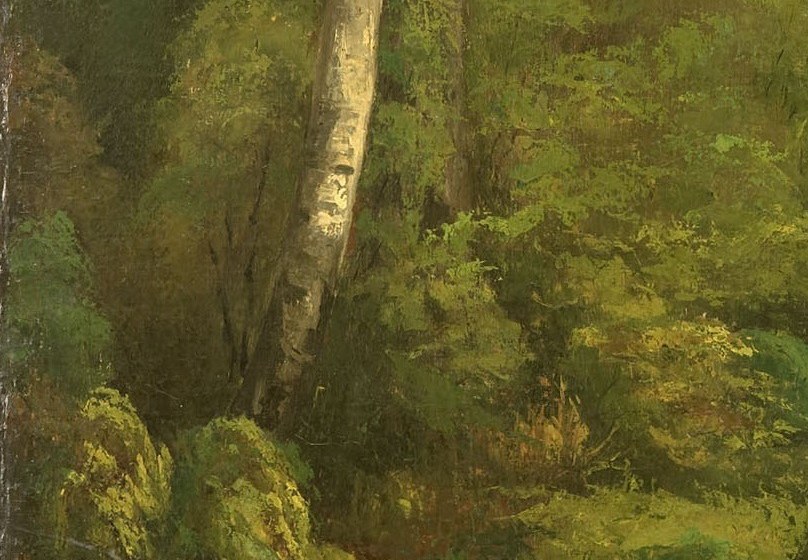
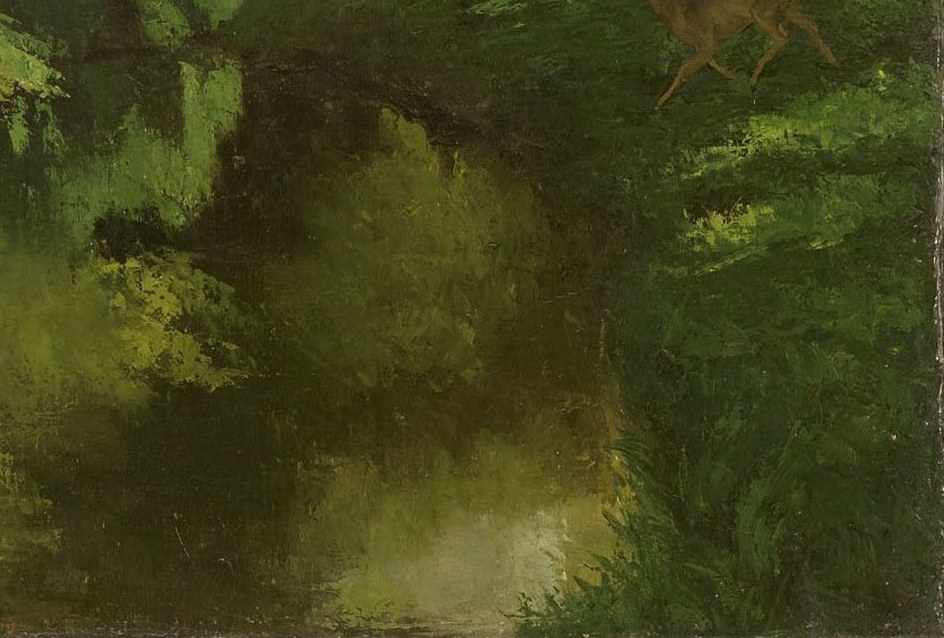
His landscapes, like this one, showcase his loose, energetic brushwork and thick application of paint, giving the forest's foliage and rock formations a palpable texture. The way light filters through the canopy creates a sense of immediacy, as if painted on the spot.
Beyond his art, Courbet was a significant figure in 19th-century French society. He challenged conventions and made bold social statements through his work. His involvement with the Paris Commune led to his imprisonment in 1871, and he spent his final four years in exile in Switzerland, continuing to paint landscapes.
This painting captures not just a forest, but a moment in the life of an artist who dared to defy.
Details
Transcript
Gustave Courbet, a French Realist, rejected idealized art. He insisted on painting only what he could directly observe. His thick, energetic brushwork captures the forest’s raw texture. He often made bold social statements through his art. Later, Courbet was imprisoned for his role in the Paris Commune. He spent his final years in exile, painting landscapes like this one.