The Saithwaite Family by Francis Wheatley
View the artwork: The Saithwaite Family →
The Saithwaite Family, painted by Francis Wheatley around 1785, is a Georgian social ledger disguised as a family portrait. It hangs in the Metropolitan Museum of Art, a gift from Mrs. Charles Wrightsman in 2009. This is a conversation piece, a distinctly British genre that portrays a family at home, but every detail is a coded message about their status.
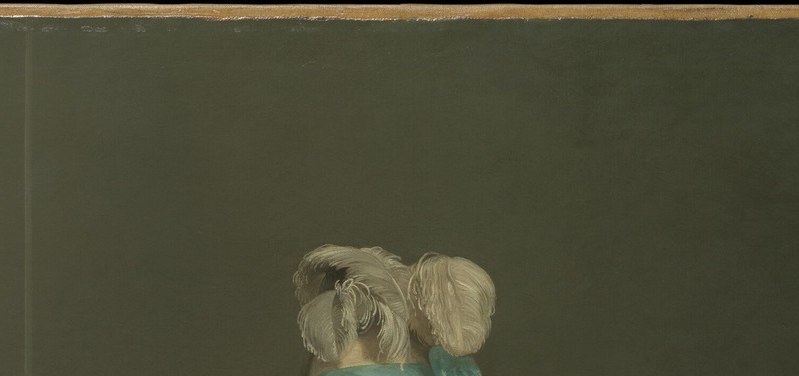
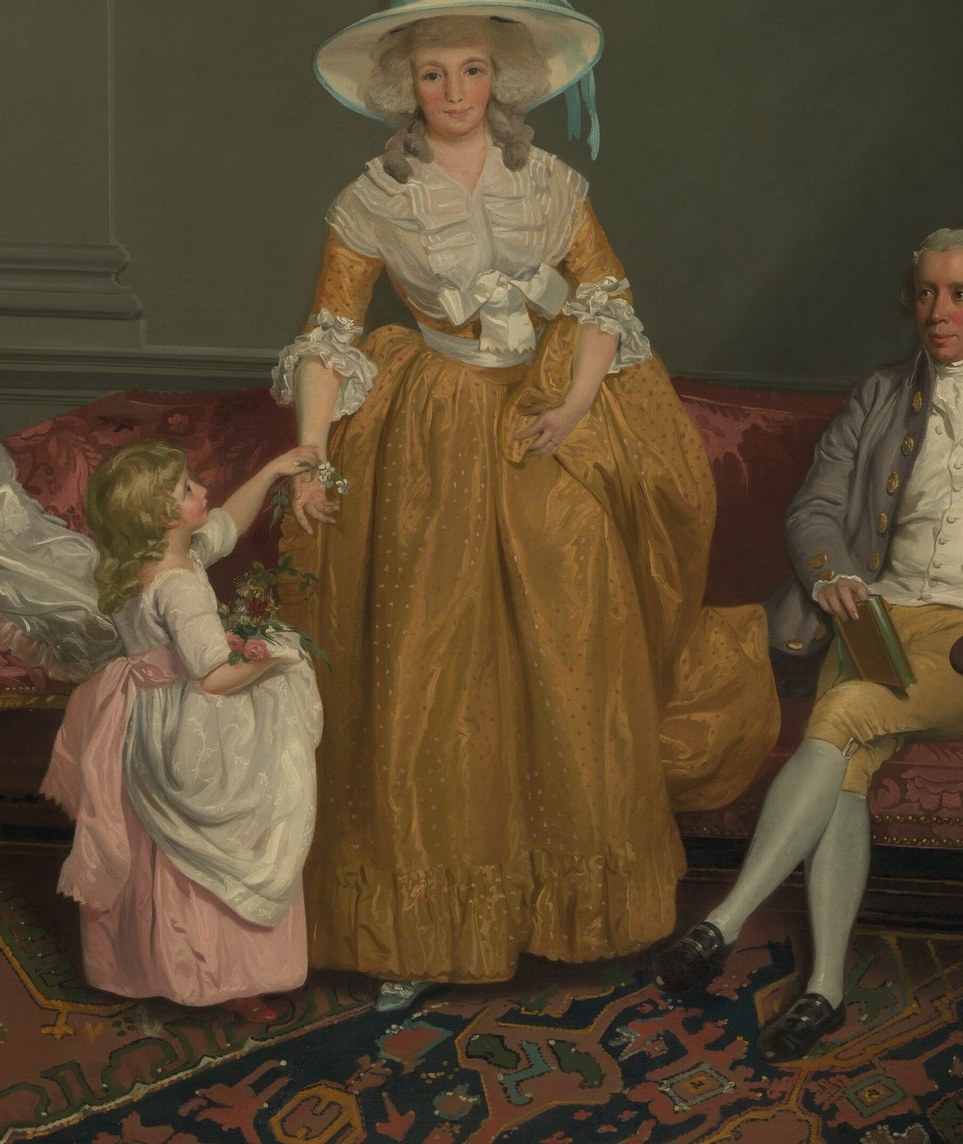
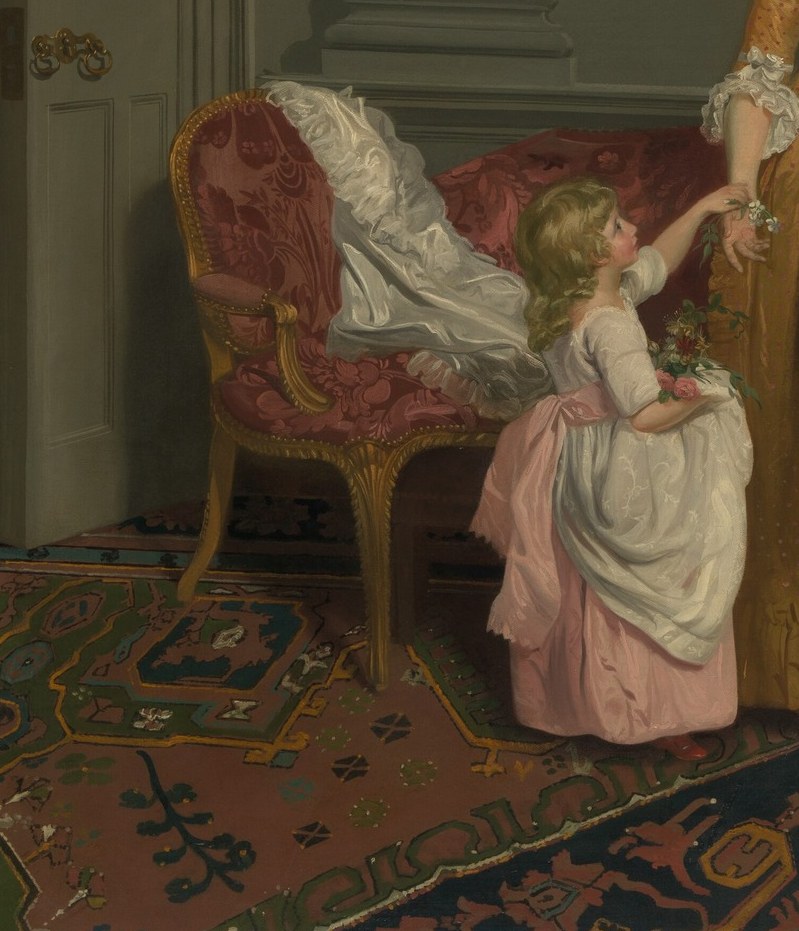
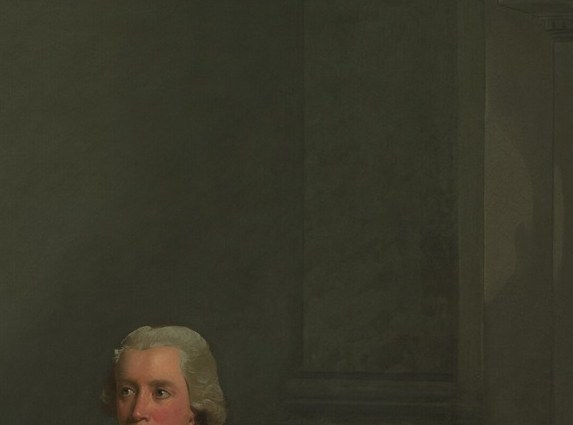
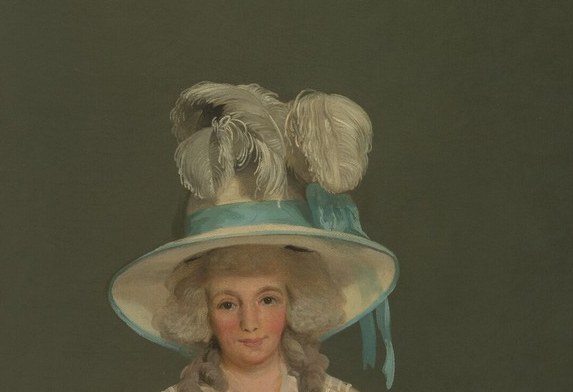
Start at the top. The mother's towering plumed hat is an extreme fashion statement of the mid-1780s, nearly doubling her height and instantly signaling wealth. Her husband's powdered wig and relaxed posture suggest educated leisure, but the real clue is in his lap: loose papers. In 18th-century portraiture, a man holding documents instead of a sword or tool declares himself a literate, civic-minded gentleman. The voluminous yellow silk dress and the red damask settee complete the ledger, Wheatley labored over these textures to prove he could render every thread of their comfort.
This painting arrived at a turning point in Wheatley's life. Born the son of a London tailor, he trained at the Royal Academy Schools and built a solid career before a personal scandal sent him to Dublin in 1779. By 1785, he was back in London, re-establishing his reputation. The Saithwaite Family captures a rising, comfortable middle class, not aristocrats, but people who could afford to have their aspirations preserved in oil. Wheatley was elected a Royal Academician six years later.
Look closely at the little girl in pink, reaching up toward her mother. That small gesture of affection is the emotional hinge that keeps a painting of coded status symbols from feeling cold. She is the only figure not performing wealth, she is just reaching for her mother.
#arthistory #georgianera #metmuseum
Details
Transcript
First, look at the hat. It's an extreme of 1780s fashion, as tall as her head. Now the papers resting in his lap. Papers, not a sword or tool, signal civic life and literacy. The yellow silk dress was the hardest thing to paint here. All this adds up to a specific class: the comfortable, educated middle.