Lazarus and the Rich Man by Jacopo Bassano
Jacopo Bassano's "Lazarus and the Rich Man," painted around 1550, uses a biblical parable to critique earthly indulgence. The painting depicts the moment after death, where the rich man who ignored Lazarus in life now sees the beggar being carried to Abraham's side, while he himself suffers in torment. This work is a powerful example of 16th-century Venetian painting and is held at The Cleveland Museum of Art.
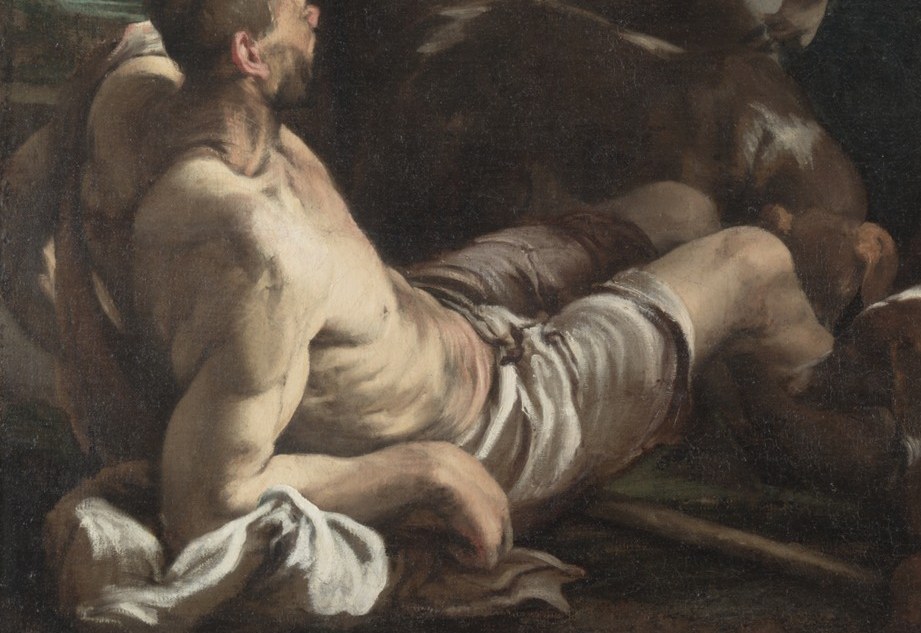
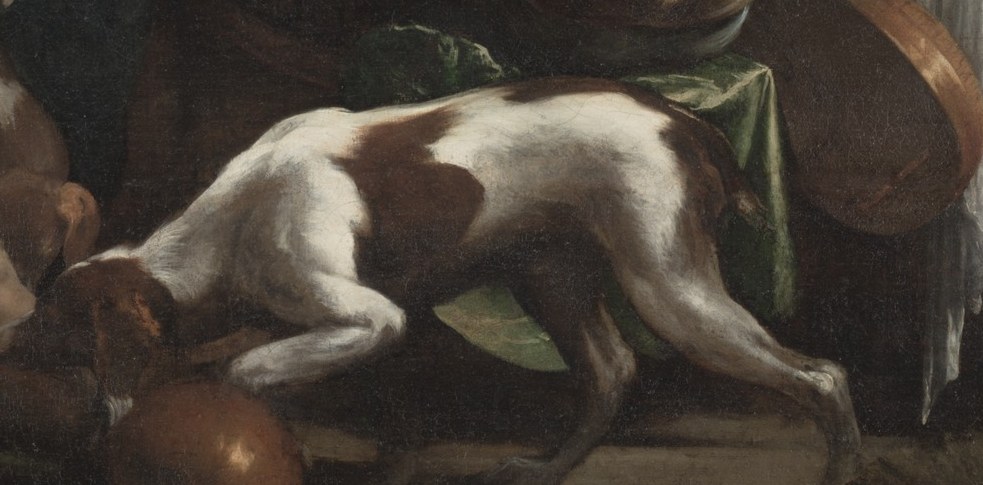
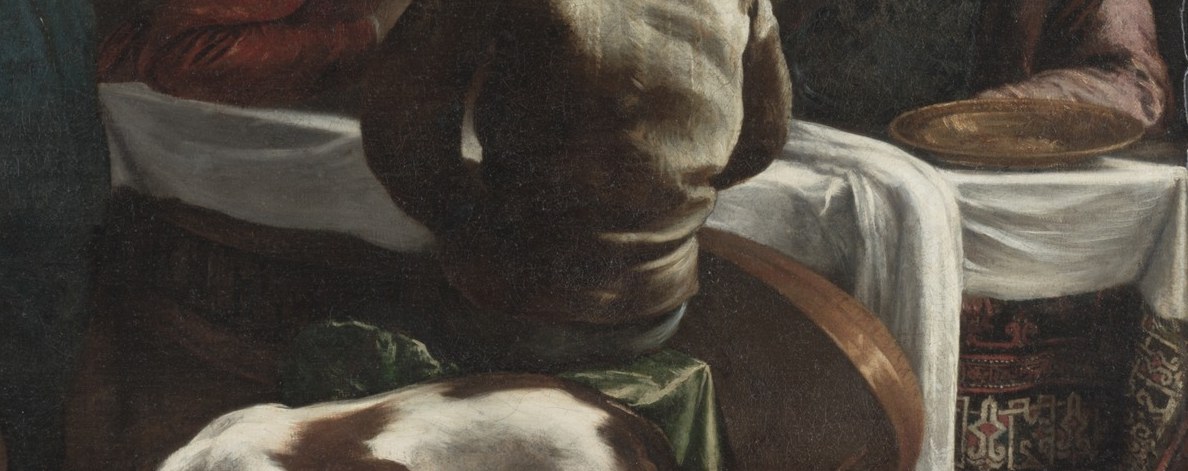
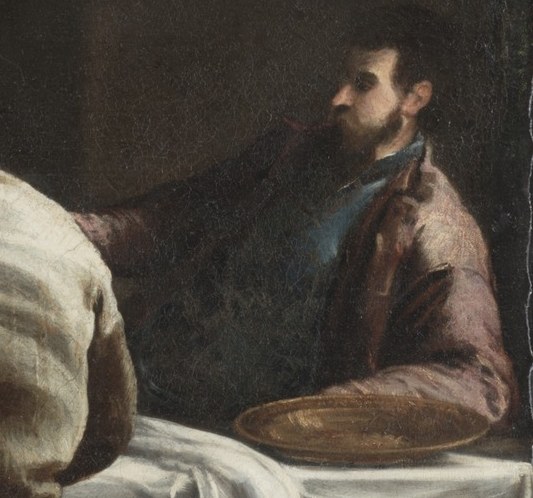
Look at the stark contrast between Lazarus, lying emaciated on the ground, and the opulent feast laid out on the table. The dog gnawing on scraps beside Lazarus underscores his destitution, while the abundant food and fallen fruit symbolize the rich man's ignored earthly pleasures and spiritual blindness.
Bassano, known for his rural genre scenes and dramatic chiaroscuro, treats this religious theme with his characteristic style. He often depicted biblical narratives as if they were happening in everyday peasant life, highlighting the human element and the consequences of choices. His paintings were popular throughout Europe, and his sons continued his artistic legacy.
The true message lies not just in the parable, but in Bassano's ability to imbue the scene with such tangible details of wealth and neglect, forcing viewers to confront the cost of indifference.
Details
Transcript
This man lived near the feast. His suffering body shows neglect. This dog eats what Lazarus could not. Bounty is wasted on the table. Fallen fruit symbolizes ignored pleasures. The rich man feasts, ignoring all. Bassano uses light to show earthly wealth. Ignorance here is the greatest sin.