Saint Ansanus by Simone Martini
Simone Martini's Saint Ansanus, painted in 1326, is a testament to the enduring power of early Italian art. This devotional work, housed at The Metropolitan Museum of Art, reveals an astonishing level of preservation for its age.
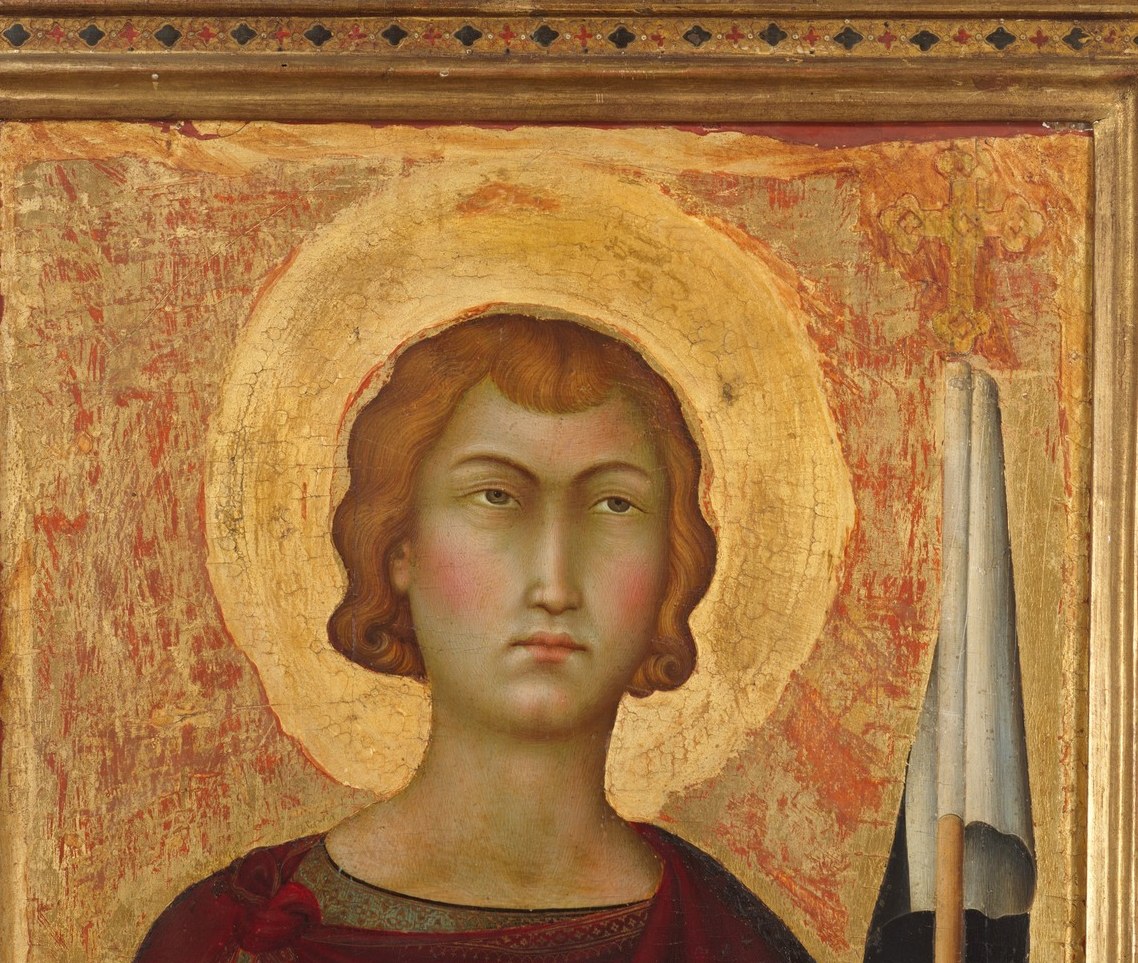
Take a moment to truly appreciate the gold background and halo. This isn't just painted gold; it's original gold leaf, meticulously applied nearly 700 years ago. The technique involved hammering thin sheets of gold onto the surface, creating a luminous, ethereal glow that has largely survived the passage of centuries.
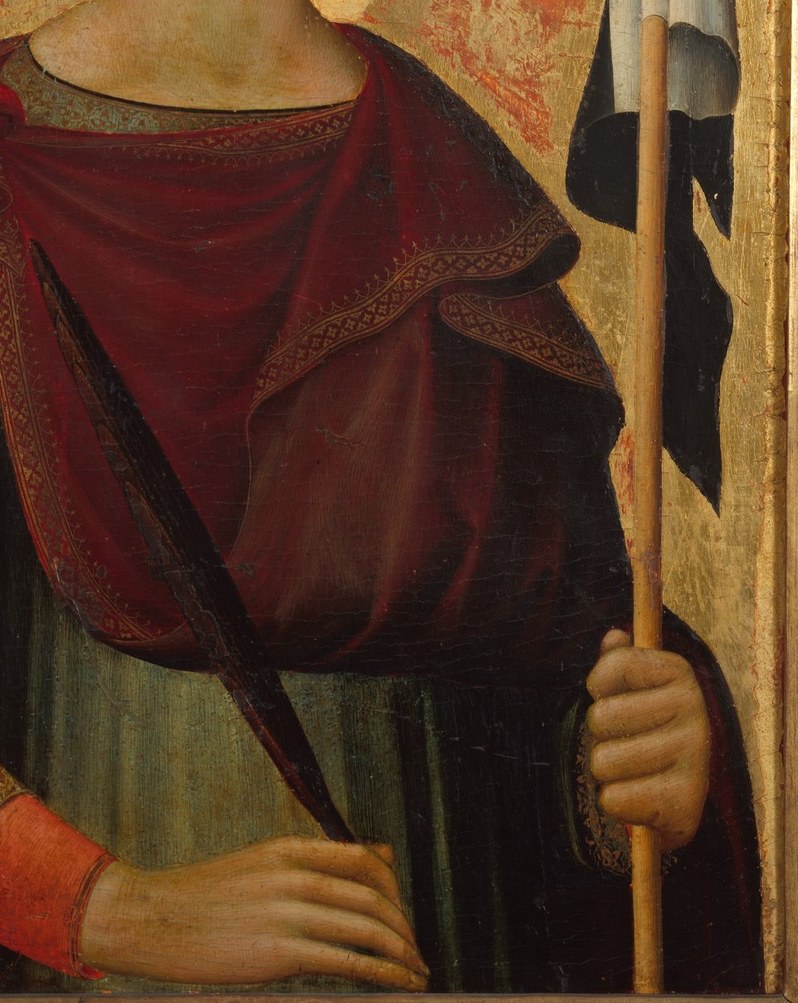
Martini, a prominent Sienese painter of the 14th century, used tempera, a medium favored for its vibrant colors and precise detail. The saint's serene face and rich red robe speak to a period of intense religious devotion and artistic skill. The fact that such delicate materials have endured so long allows us a direct window into the past.
What details of this ancient artwork catch your eye the most?
Details



Transcript
This painting of Saint Ansanus seems like a simple devotional work. It was painted by Simone Martini in 1326. But look closely at the gold background, especially near the halo. The gold leaf is original, nearly 700 years old. This isn't just paint, it's hammered metal. His face, too, has survived centuries of change and conflict.