Philip, Lord Wharton by Dyck, Anthony van, Sir
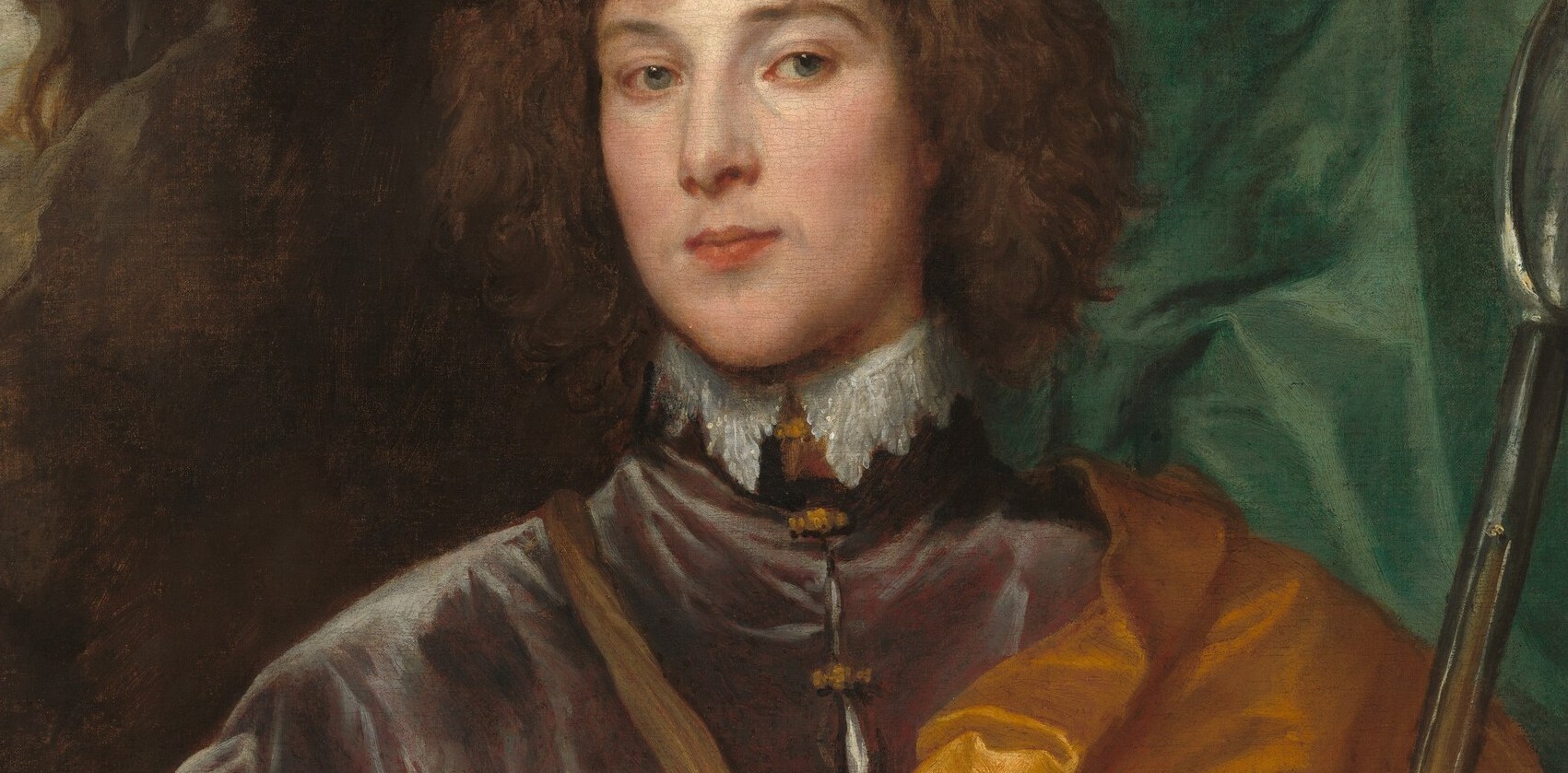
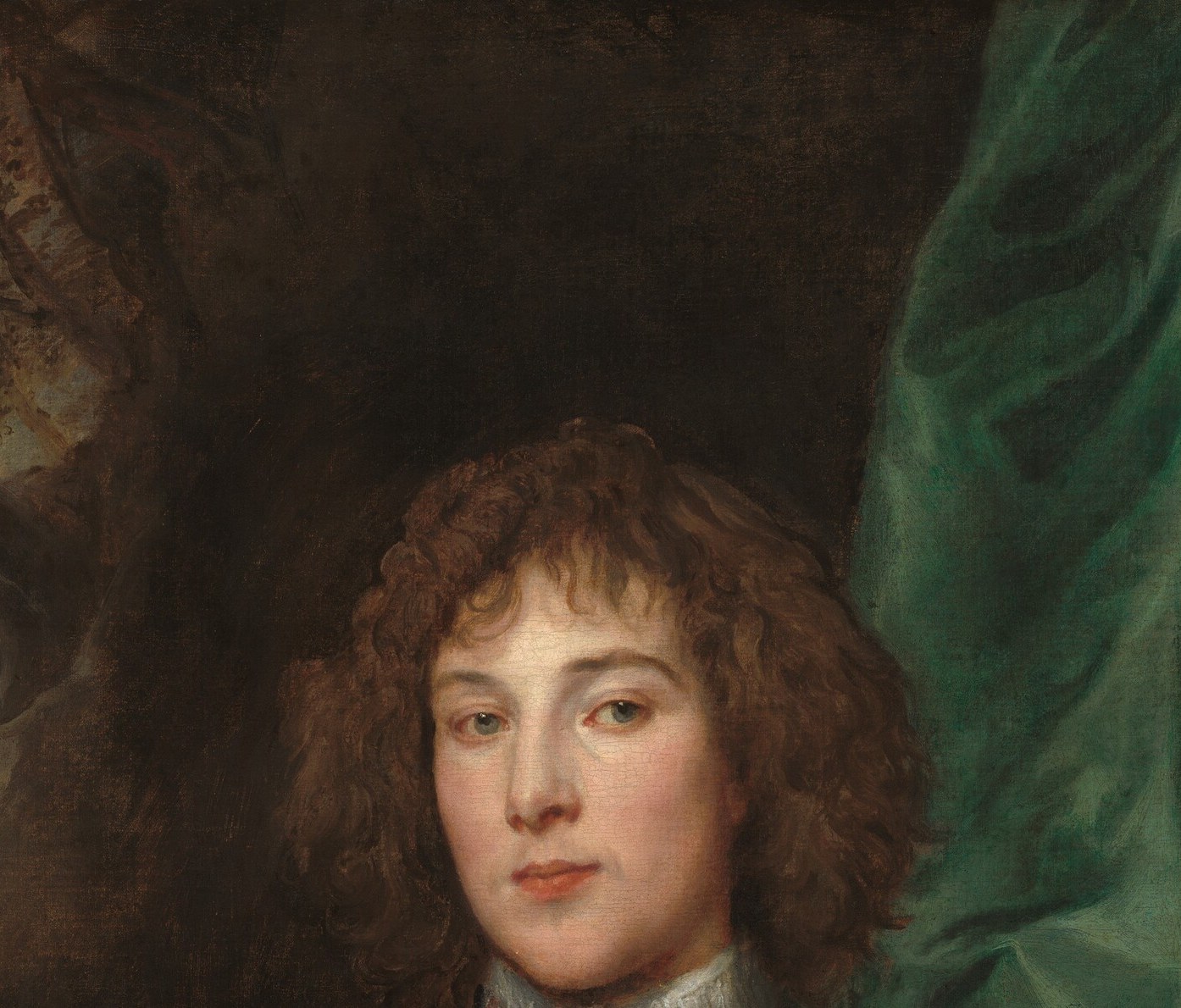
This is Anthony van Dyck's portrait of Philip, Lord Wharton, painted in 1632. The sitter was a powerful English nobleman, but his painted likeness has lived a more eventful life than most art objects ever do. It has been stolen twice, once by a mistress and once by the Nazis, and somehow survived both ordeals to hang in the National Gallery of Art in Washington, D.C.
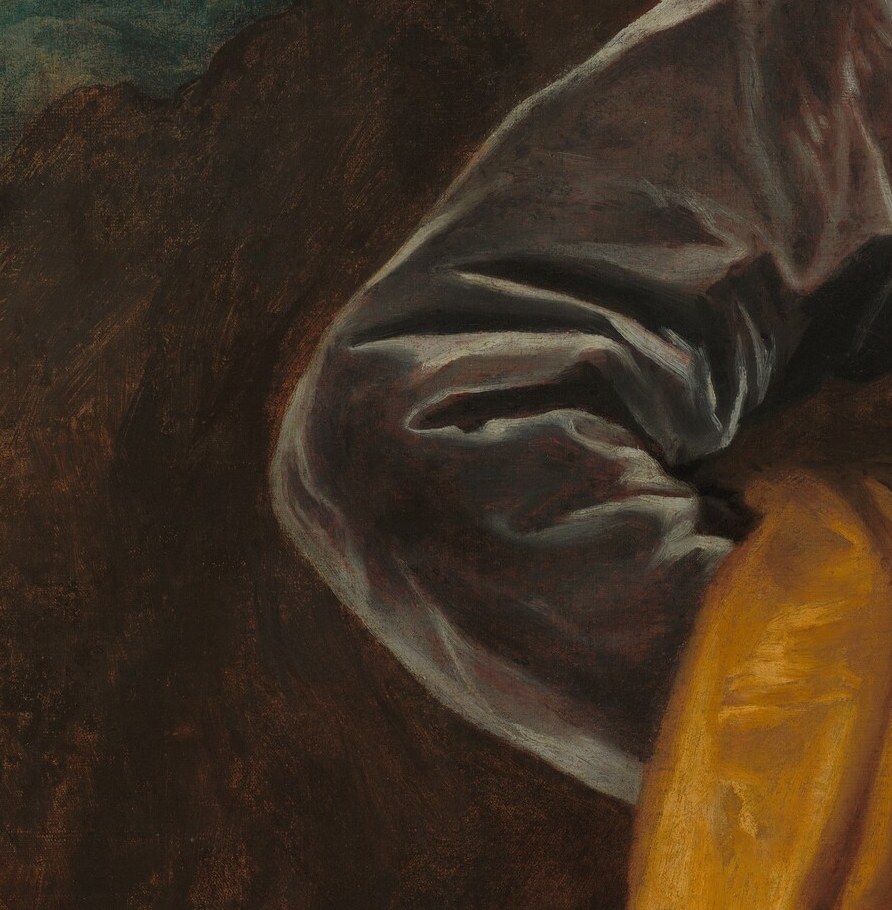
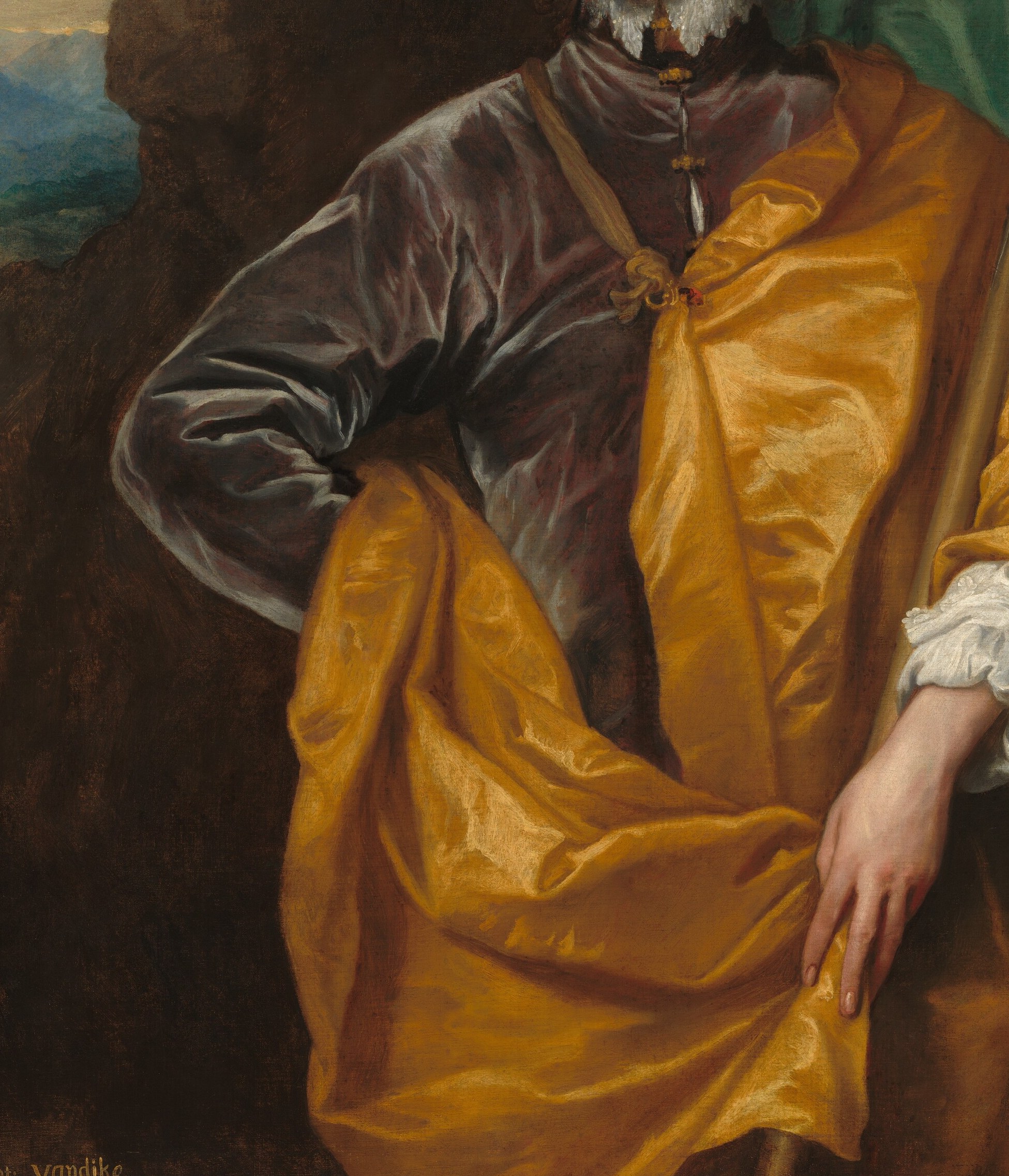
Van Dyck was a master of aristocratic swagger. Look at the impossibly intricate lace collar, a pure display of wealth and the artist's technical skill. The relaxed hand on the hip, a signature Van Dyck pose, projects a casual command that was revolutionary for English portraiture. The direct gaze is startling; this is not a distant icon but a seventeen-year-old who seems to be assessing you right back.
Philip Wharton was a prominent Puritan politician and a peer of England. The portrait, however, shows him in lavish Cavalier style: the golden cloak, the long ringlets, the soft lips. It is a political balancing act rendered in oil. The painting stayed in the family for nearly three centuries before family drama intervened. In the 1920s, a mistress of one of Wharton's descendants stole it from the house, selling it to an art dealer. The family managed to quietly buy it back.
The second theft was far worse. During World War II, the painting was seized from a London bank vault by Nazi forces. It was found after the war among the vast hoard of looted art amassed by Hermann Goering and was returned. It feels strangely fitting: a portrait built to project invincible authority, having its authority stripped away not once, but twice, by human frailty.
Details

Transcript
A portrait of power, painted in 1632. Look at the eyes. He is seventeen years old. That lace collar cost more than most people earned in a year. In the 1920s, his mistress stole it from his descendants. She sold it to a dealer. It was quietly bought back. Then, in 1945, the Nazis took it from a bank vault. His hand rests here, confident. He had no idea what was coming. The Allies found it with Goering's loot. It came home.