Soap Bubbles by Chardin, Jean Siméon
Jean Siméon Chardin’s Soap Bubbles, painted around 1734, sold at auction in 2008 for $2.3 million when the Louvre stepped in to buy it, fearing a private collector would take it abroad.
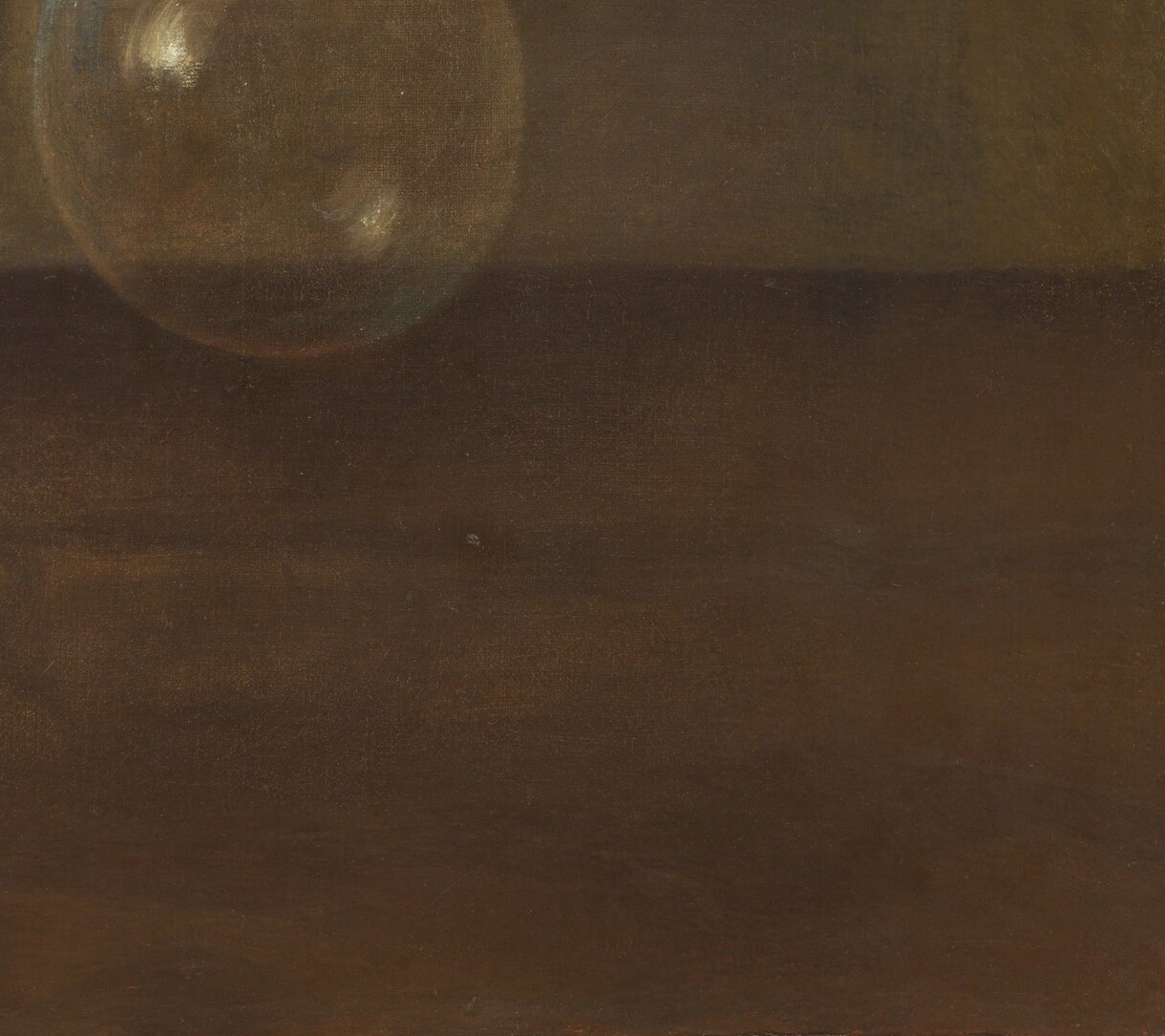
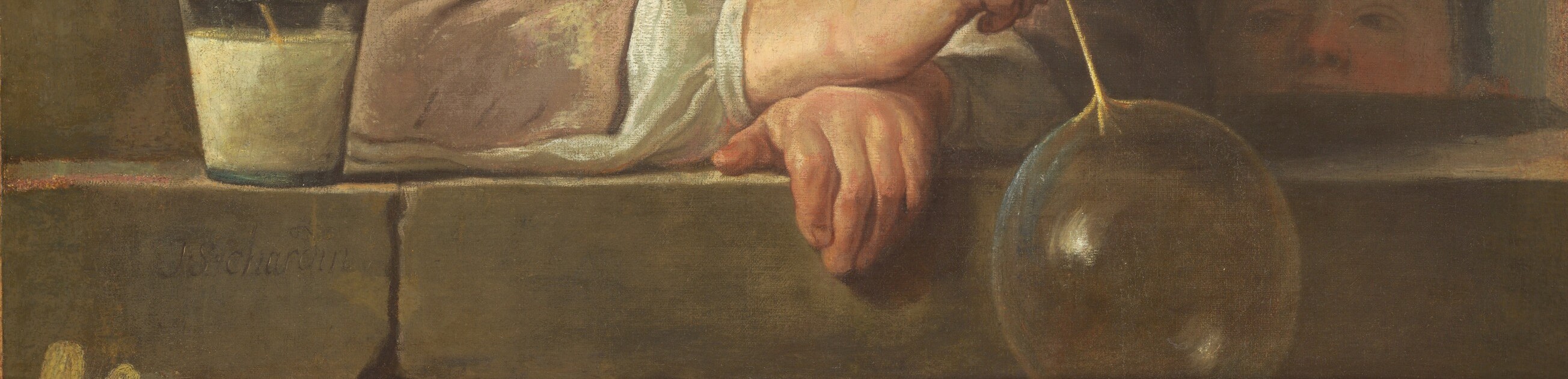
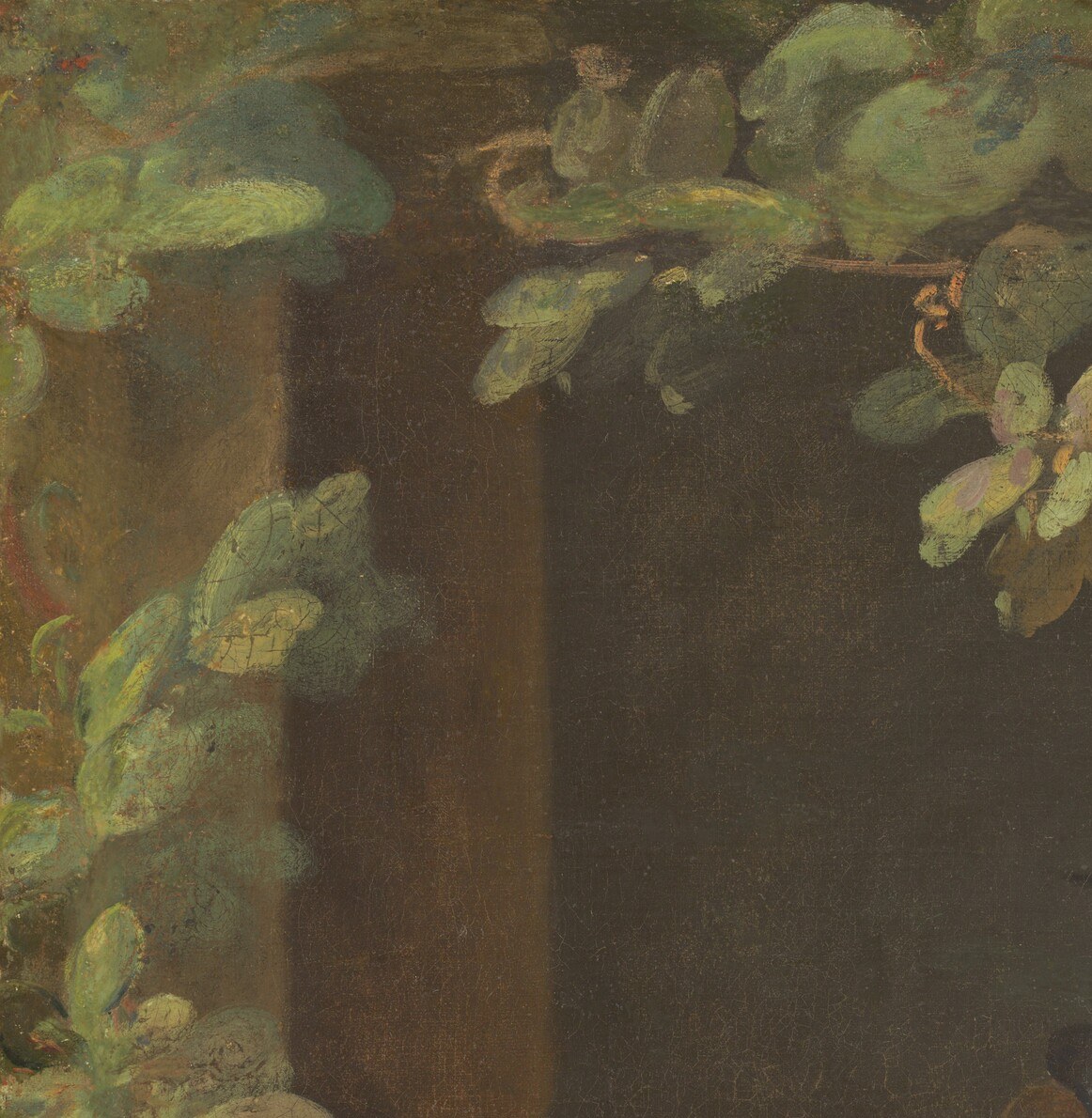
Look at the bubble itself. Chardin had no transparent paint, no CGI. That glistening, iridescent sphere is pure opaque oil on canvas, a technical problem so difficult that the painting became famous for solving it. Below it, on the stone sill, sits the humble cup of soapy water it came from. And in the lower right shadow, most viewers miss a second figure, a companion witnessing the fleeting wonder.
The image is a vanitas, a quiet memento mori: the bubble is life, shimmering, perfect, and gone in a breath. Chardin spent his entire career painting ordinary moments with this kind of gravity, and his work nearly disappeared after the Revolution. Today he is considered one of the great painters of the 18th century.
What does it mean that a painting about impermanence is now locked inside one of the most permanent, guarded buildings on earth?
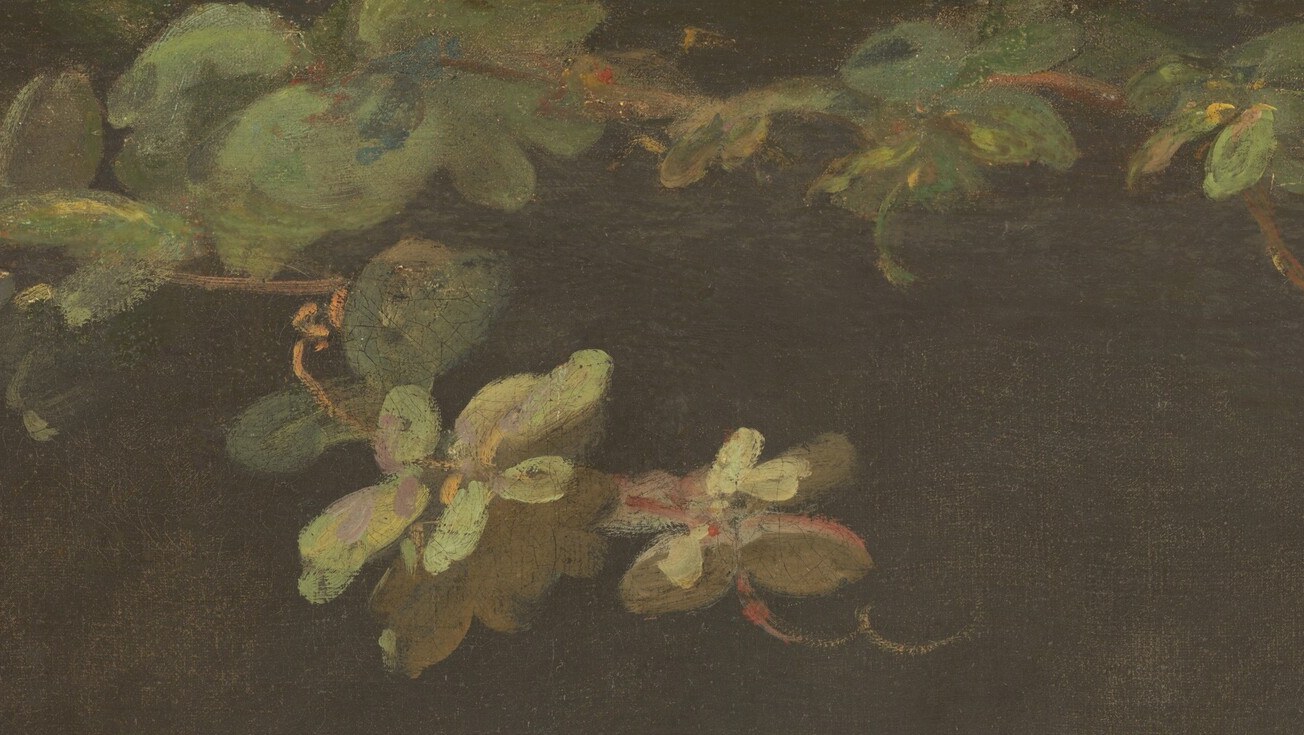
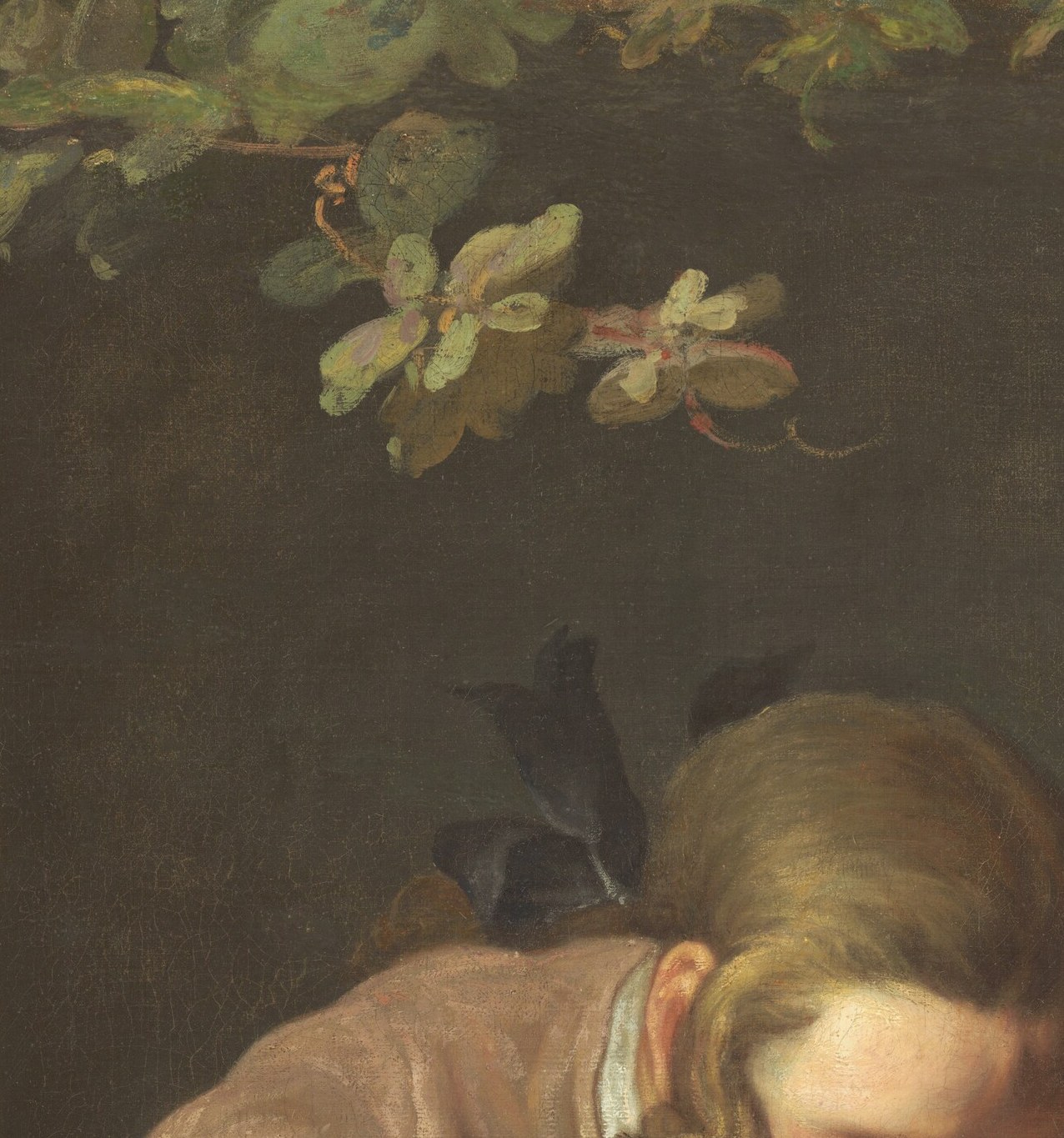
Details
Transcript
In 2008, this small canvas sold at auction for $2.3 million. The buyer: the Louvre, afraid it would leave France forever. Look at a fortune made of soap and oil. Chardin renders a weightless, iridescent film with opaque paint. A second figure watches from the shadow. A vanitas: the bubble is life, fragile and brief.