Washerwomen at the Oise River near Valmondois by Daubigny, Charles-François
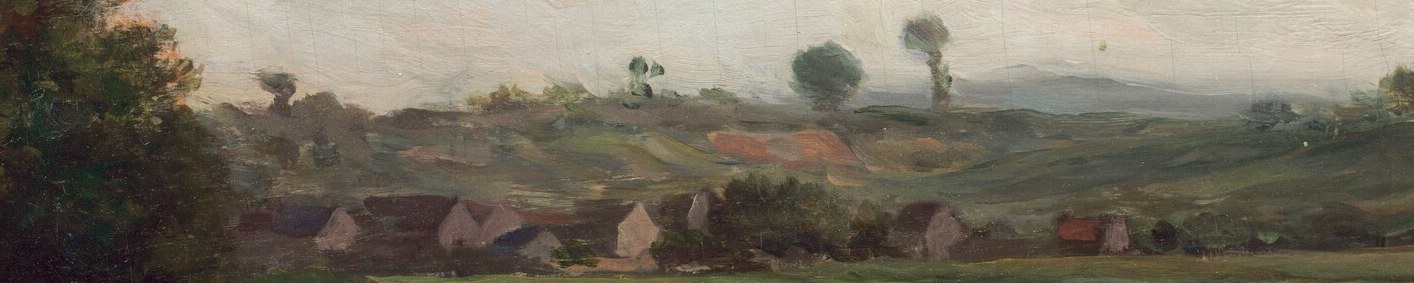
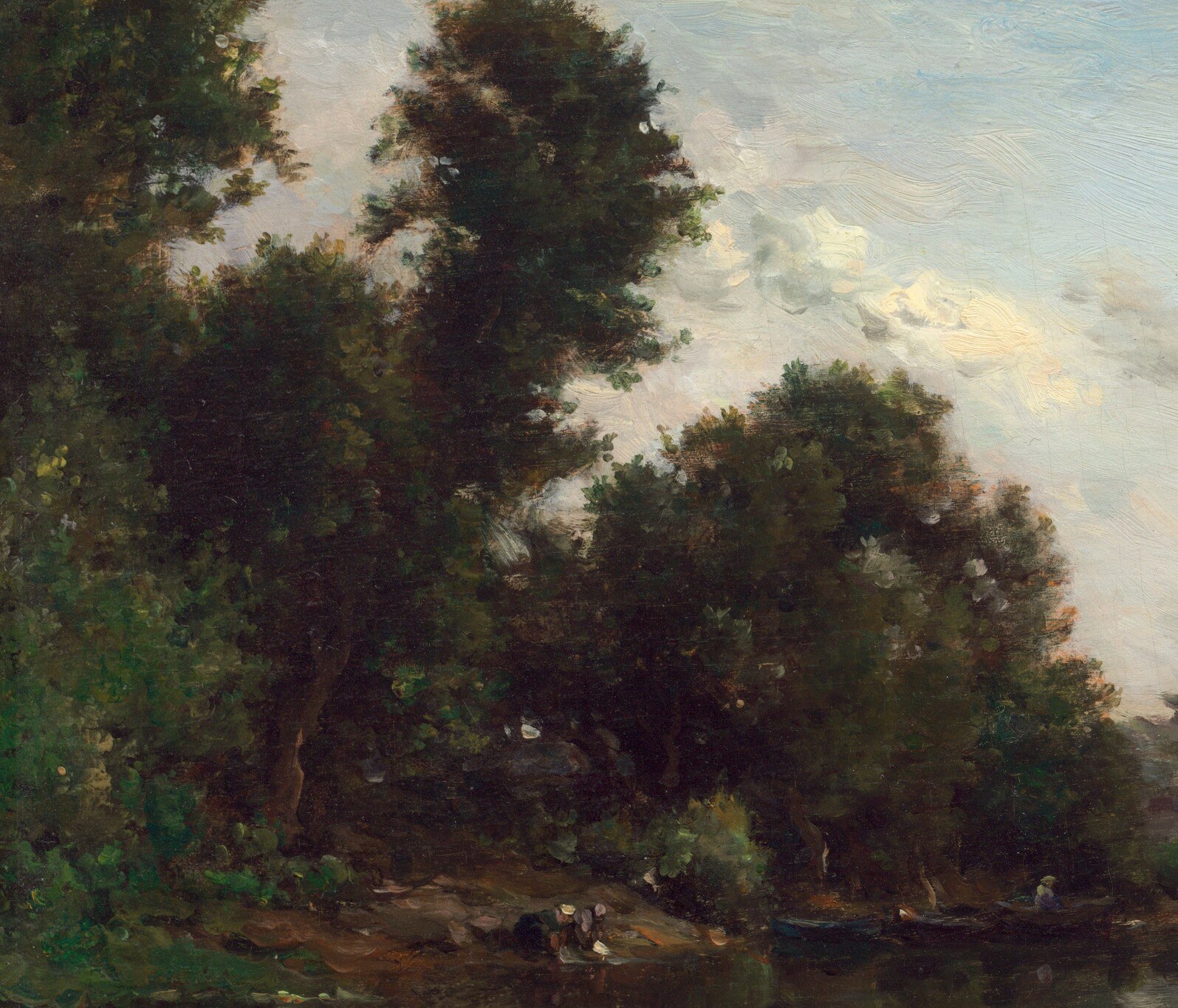
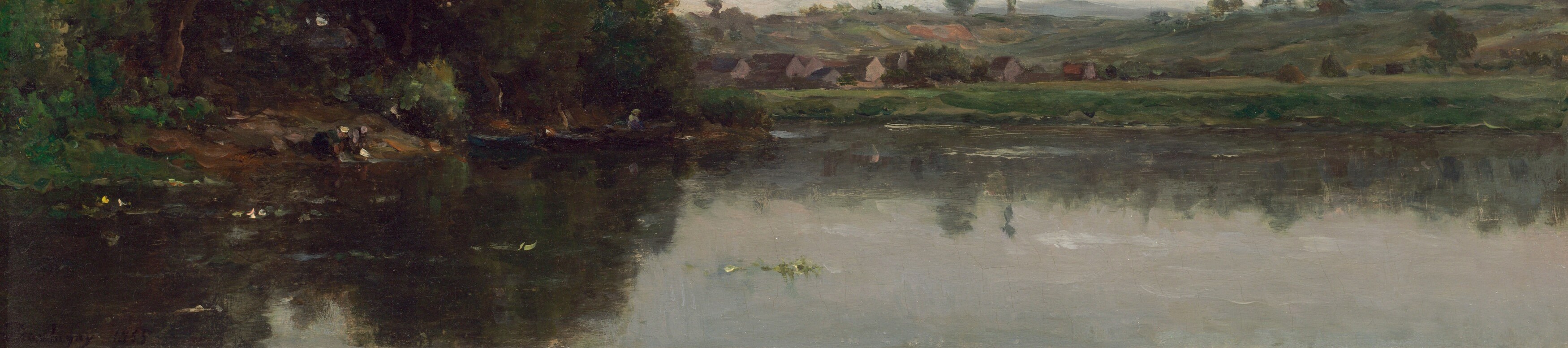
Charles-François Daubigny’s *Washerwomen at the Oise River near Valmondois*, painted in 1865, captures a quiet scene of daily labor that was often overlooked in art. This oil on wood painting, held at a prominent museum, shows women diligently working by the river, a common but rarely celebrated sight of the era.
Look closely at the figures by the riverbank. They are small, yet their presence grounds the expansive landscape, inviting viewers to acknowledge the unseen labor that was an integral part of 19th-century life. Daubigny, a member of the Barbizon school and a precursor to Impressionism, was known for his commitment to Realism.
Through works like this, Daubigny moved away from idealized historical or mythological scenes, choosing instead to portray ordinary subjects and natural light. He brought dignity to the mundane, highlighting the everyday lives of people within the tranquil beauty of the French countryside.
What stories might these washerwomen have carried with them to the river each day?
Details
Transcript
This painter was a master of tranquil landscapes. But look closely, and human lives emerge. These women worked by the Oise River, cleaning clothes. Their daily labor was often unseen, unrecorded. This painter captured their quiet presence in the world. A moment of unseen dignity in the landscape.