Jeanne Bécu, Comtesse du Barry by Drouais, François-Hubert
View the artwork: Jeanne Bécu, Comtesse du Barry →
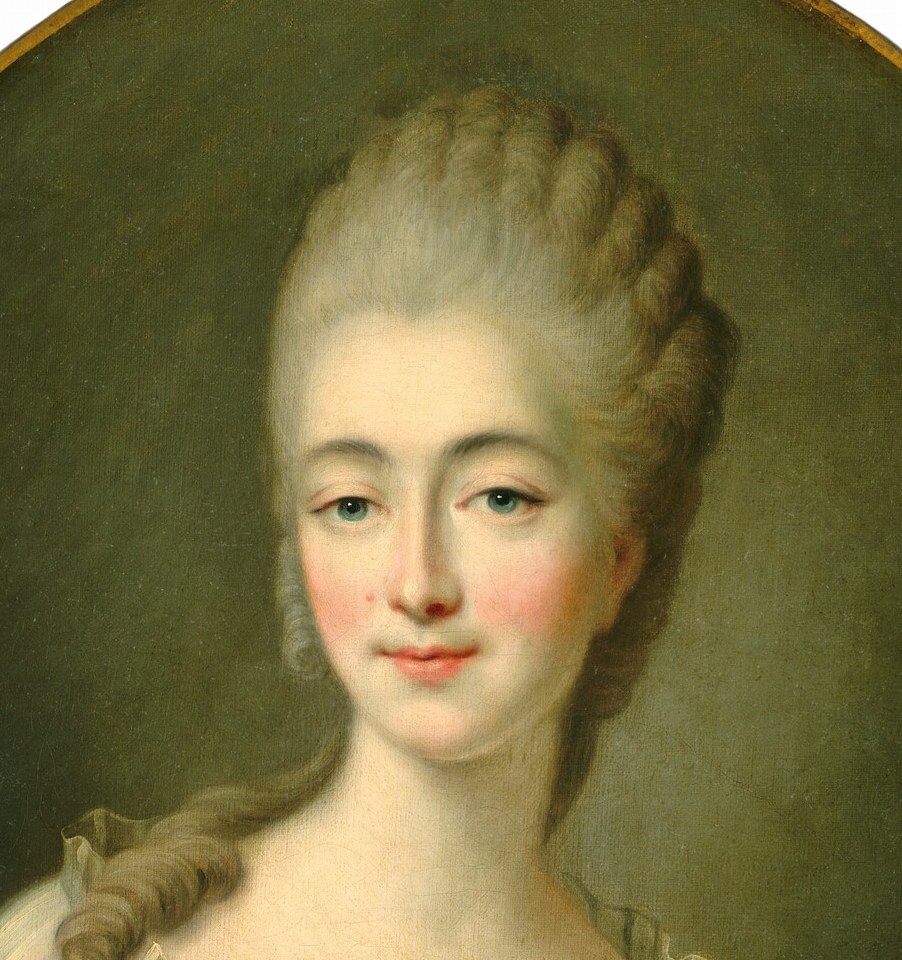
François-Hubert Drouais painted Jeanne Bécu, Comtesse du Barry, around 1774. She was Louis XV's last official mistress, a position of immense power that she won not by noble birth but by sheer audacity. Born illegitimate and raised in a convent, she climbed from the Paris working class to the most glittering and dangerous address in France: Versailles.
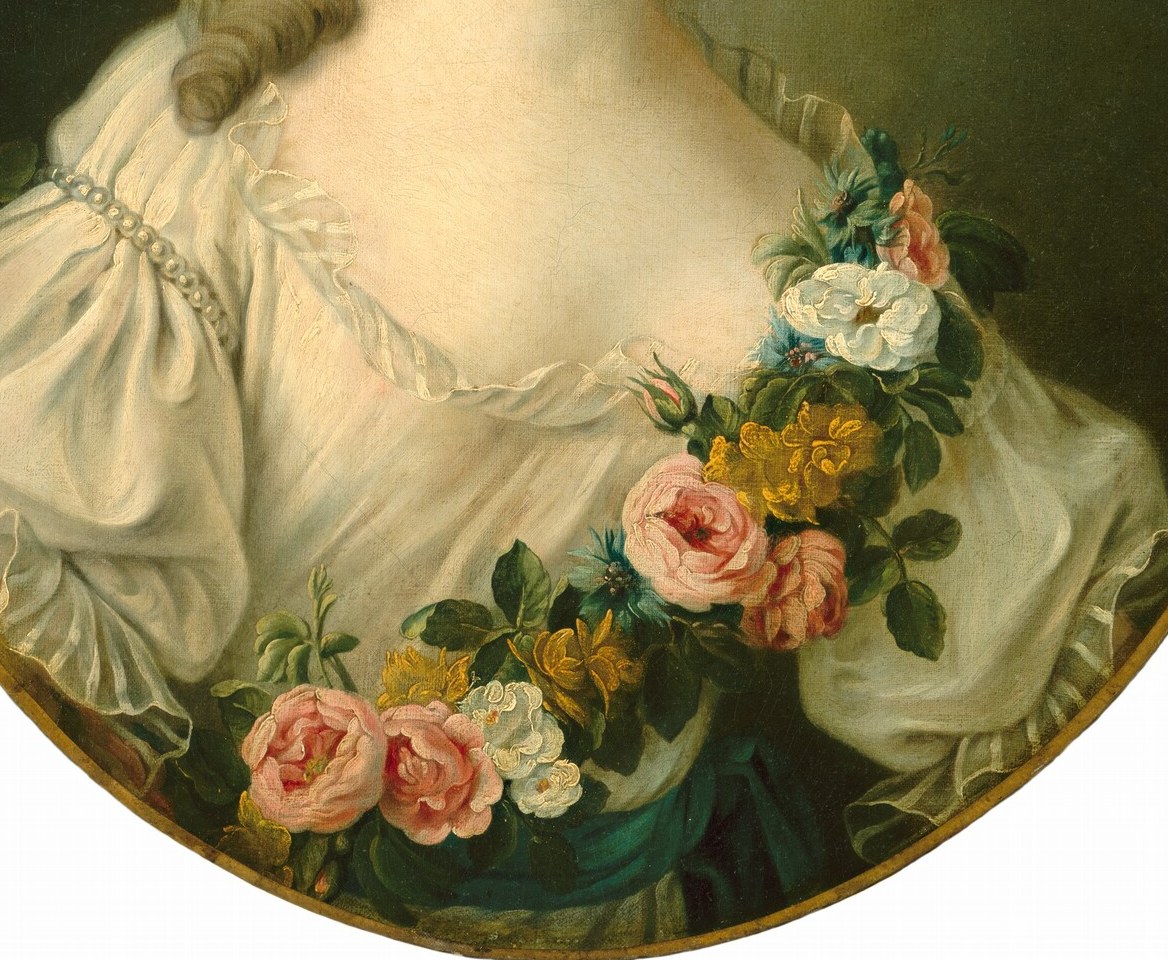
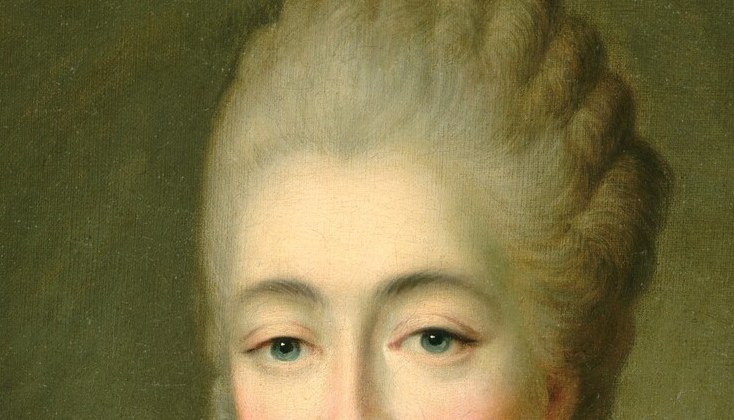
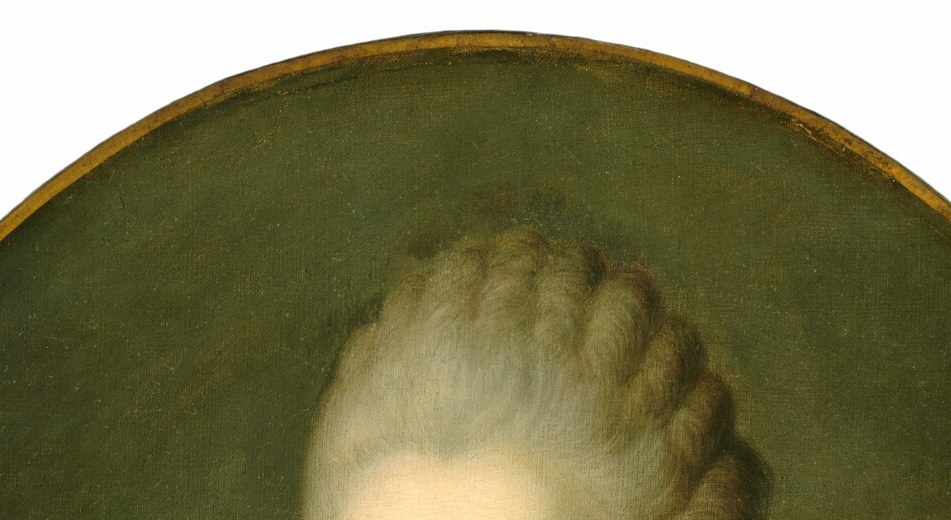
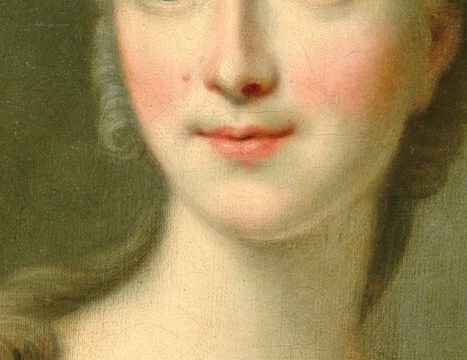
Drouais gives her a white cap perched in her powdered hair, a note of pastoral innocence in a court portrait. The pink roses across her chest are doing heavy symbolic work: they replace jewelry, encoding beauty and desire as her only ornament. Notice how the painter models the open petals with the same soft light he uses on her skin, deliberately collapsing the distance between the woman and the flower. Her expression is the painting's real crux: a faint, knowing near-smile held alongside a sideways glance that reveals nothing.
The court never accepted her. A commoner sleeping with a king was unforgivable to the aristocracy, and her extravagance enraged the public. When the Revolution came, the system that had protected her evaporated. She was arrested, tried, and beheaded in 1793. Her last recorded words were a desperate plea to the executioner: "One more moment, Monsieur. Please." The dark background of this portrait, so typical of Drouais, now reads like a shape of things to come.
She commissioned this painting to project elegance and status. It is the official image of a woman who had everything to lose. Knowing how her story ends, does the face in the portrait look like someone who suspected it?
#arthistory #frenchhistory #18thcentury
Details
Transcript
She came from nothing. Jeanne Bécu, born illegitimate, working class. Now look at the hair, the gown, the confident calm. This is image management at the highest stakes. She was Louis XV's final, notorious mistress. Her sideways glance withholds. It had to. The court loathed her. The people rioted over her. In 1793, the Revolution came. She was guillotined.