Dr. Leclenché by Claude Monet
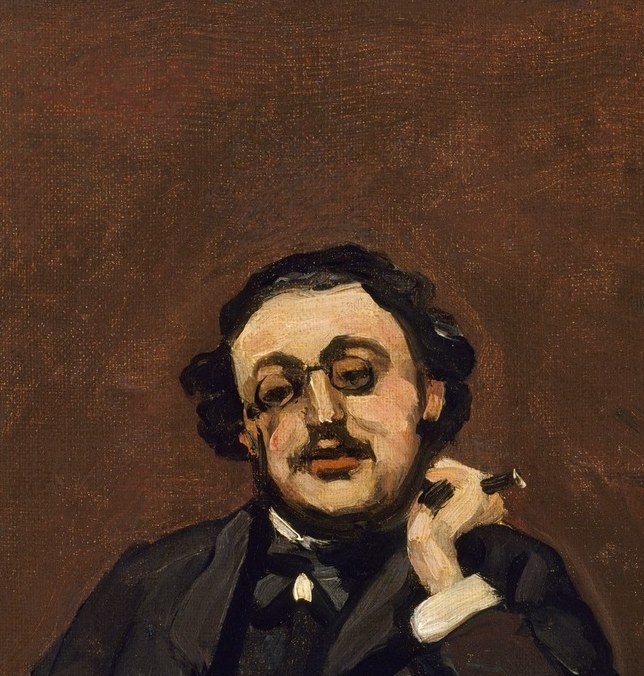
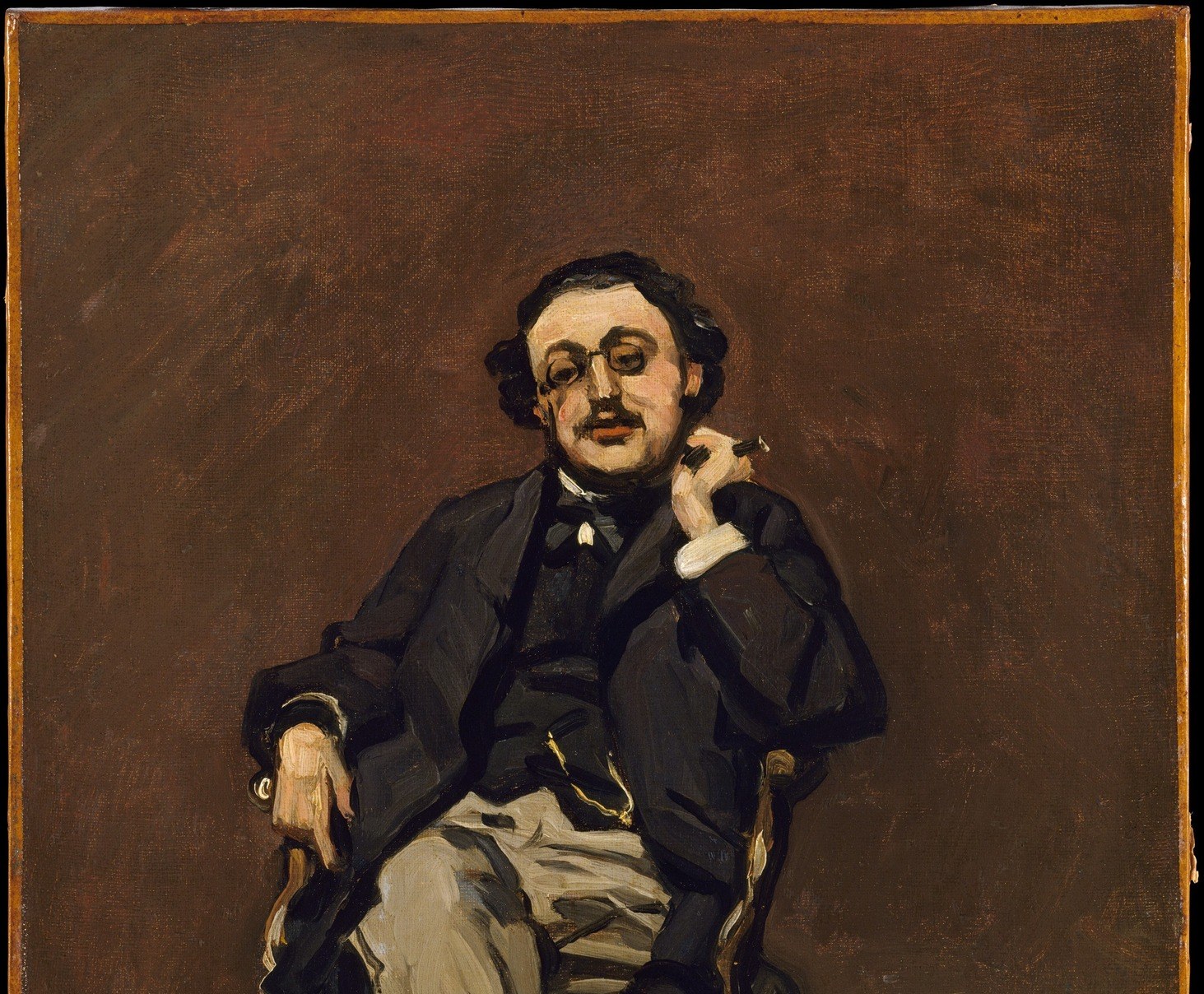
Claude Monet's 'Dr. Leclenché' (1864), now at The Metropolitan Museum of Art, shows the future giant of Impressionism at twenty-four, hungry and unknown.
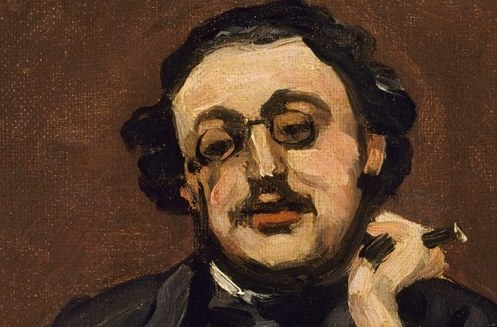
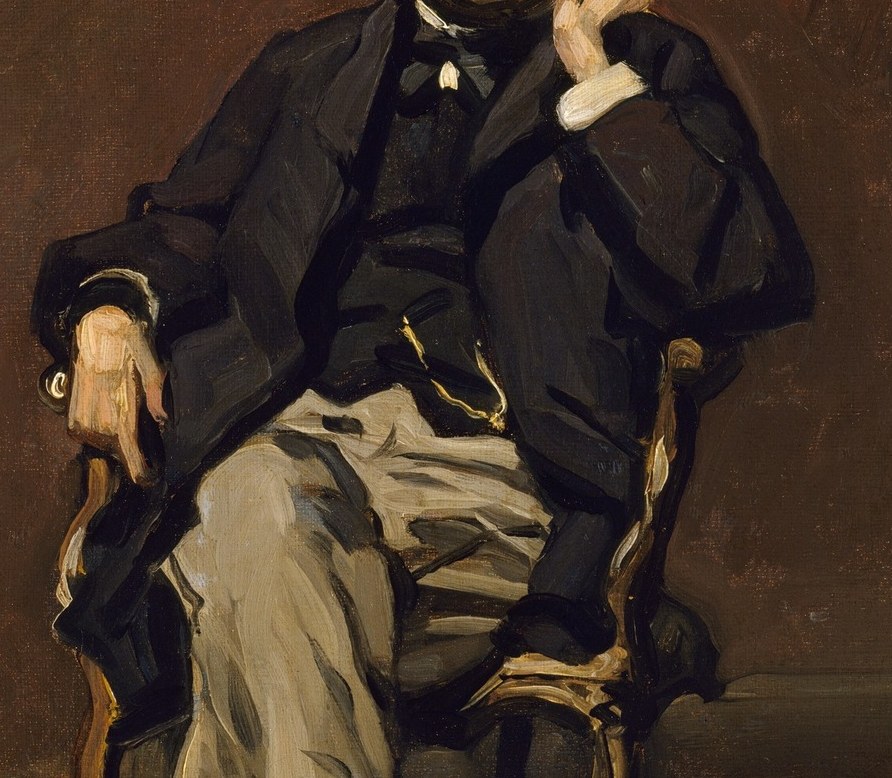
Notice where the care went. The dark coat is a rough rush of black strokes, laid down fast. The chair and background are barely defined. Then your eye lands on the face: the low glasses suggesting he looked up from a page, the chin resting on his hand, the cigar held loosely near his lips. Monet spent his energy there, on the living mind of a man caught in pause.
Monet was broke in 1864. He took portrait commissions to survive while he figured out how to paint light itself. This doctor, presumably a family acquaintance or a local professional, sat for a young painter who needed the fee. The portrait belongs to a brief chapter before the Salon rejections and the radical outdoor experiments that would rename an entire movement.
A few years later, Monet would begin dissolving edges into atmosphere. Here, he still holds the sitter close. It is a quiet, observant moment between a young artist and a real person.
Details
Transcript
He is not performing for the painter. He just looks up from his reading. Monet was 24. Struggling. Still learning. He needed portrait commissions to eat. So he painted the coat fast, in rough black strokes. But he gave every ounce of care to the face. A real man, a real mind, caught between puffs of smoke. He would tear painting apart. But here, he is still gentle.