A Musician and His Daughter by Thomas de Keyser
Thomas de Keyser’s “A Musician and His Daughter” (1629, oil on wood panel, now at the Metropolitan Museum of Art) was painted when de Keyser was the most sought-after portraitist in Amsterdam, before Rembrandt eclipsed his fame.
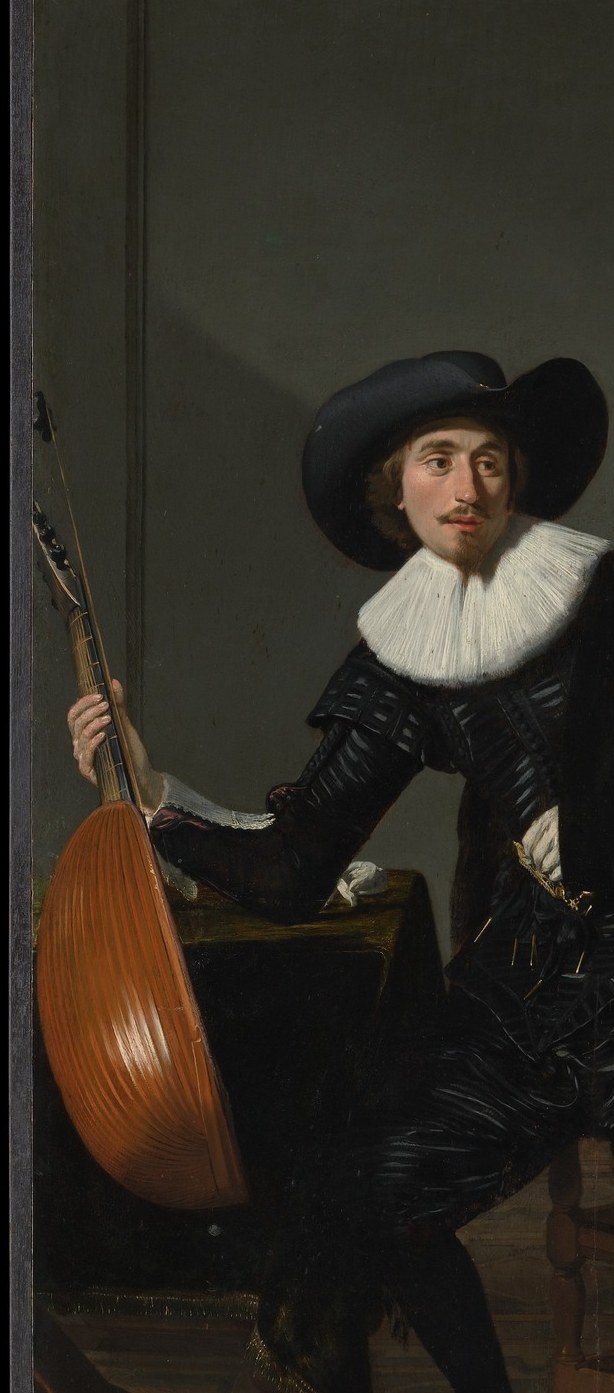
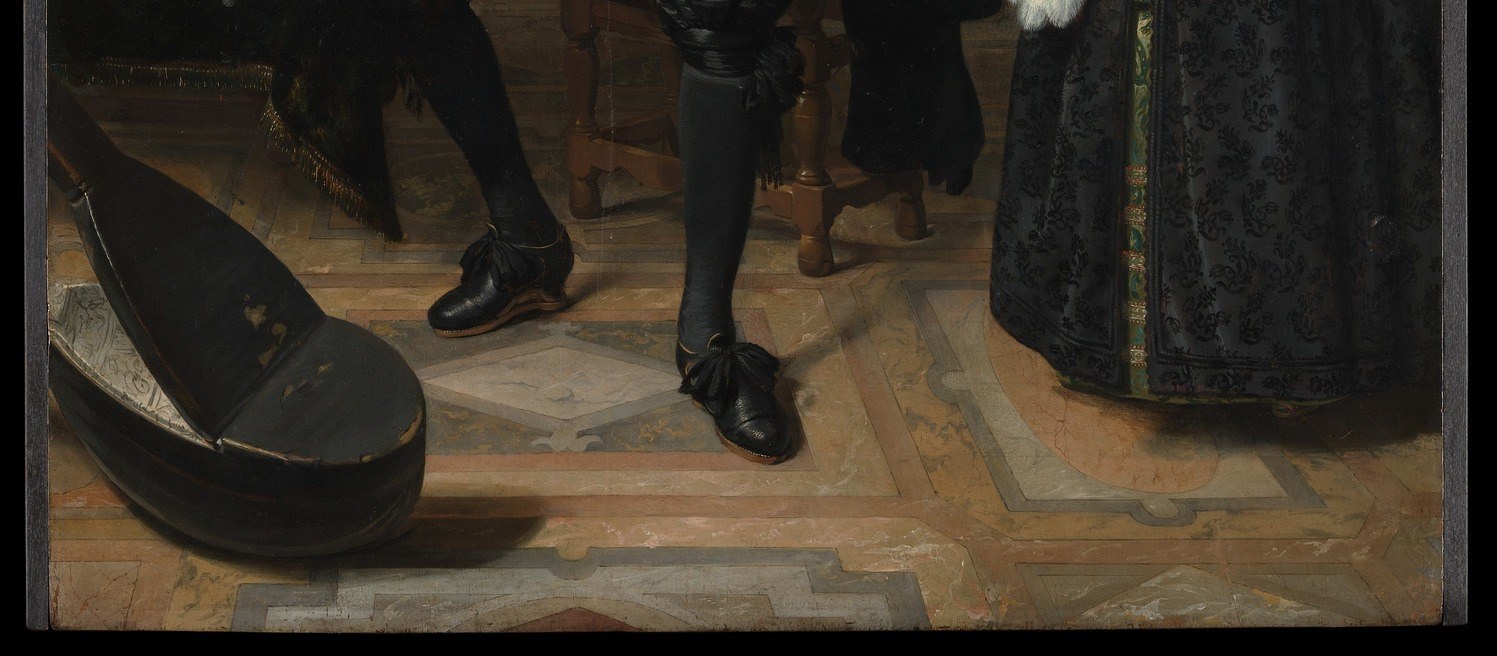
Look closely at the objects. The lute is not simply a prop; in 17th-century Dutch culture, music signified virtue and a well-ordered soul. The daughter’s white glove, held rather than worn, signals social decorum and a readiness to step into adult society. The black-and-white marble floor is a straightforward marker of a prosperous, cultured household.
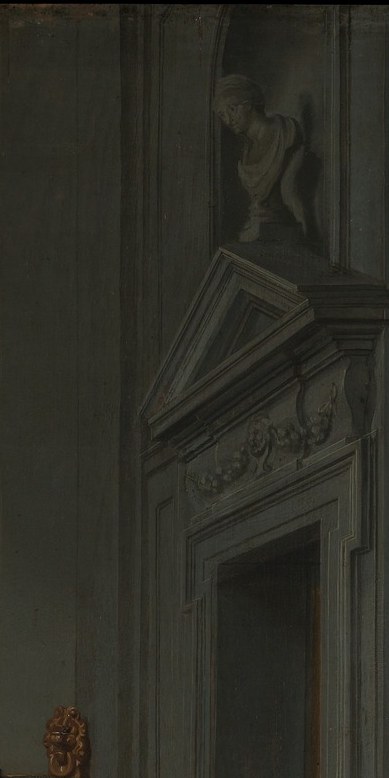
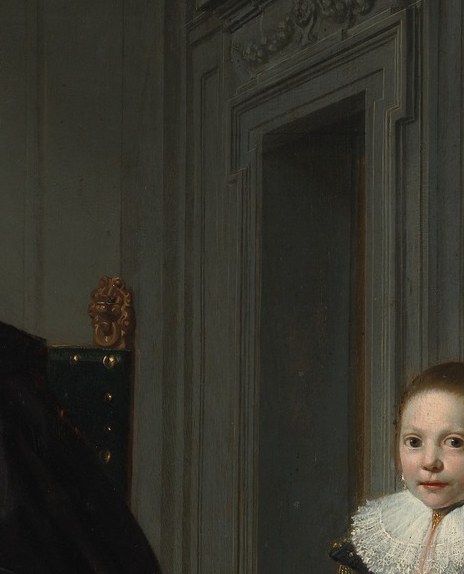
The most surprising detail is the dark doorway behind the child. Open, deep black voids appear in many Dutch portraits of this period, borrowed from Rembrandt’s orbit. In a coded portrait otherwise dense with signs of life and achievement, that darkness is a quiet reminder of impermanence. The father is not just posing with his daughter; he is making a silent statement about what he hopes for her, and what awaits us all.
What coded object in the painting first caught your eye?
Details

Transcript
In 1629, a father and daughter sit for a portrait. But in Dutch Golden Age painting, nothing is accidental. He holds a lute. Not just an instrument, a symbol of musical virtue. Her glove is held, not worn. A sign of social readiness. The chequerboard floor declares their material prosperity. Then, a dark doorway behind the child. A reminder of mortality, even in this moment of harmony. Together they spell a wish: a virtuous, prosperous life for his daughter.