Boy with a Lute by Frans Hals
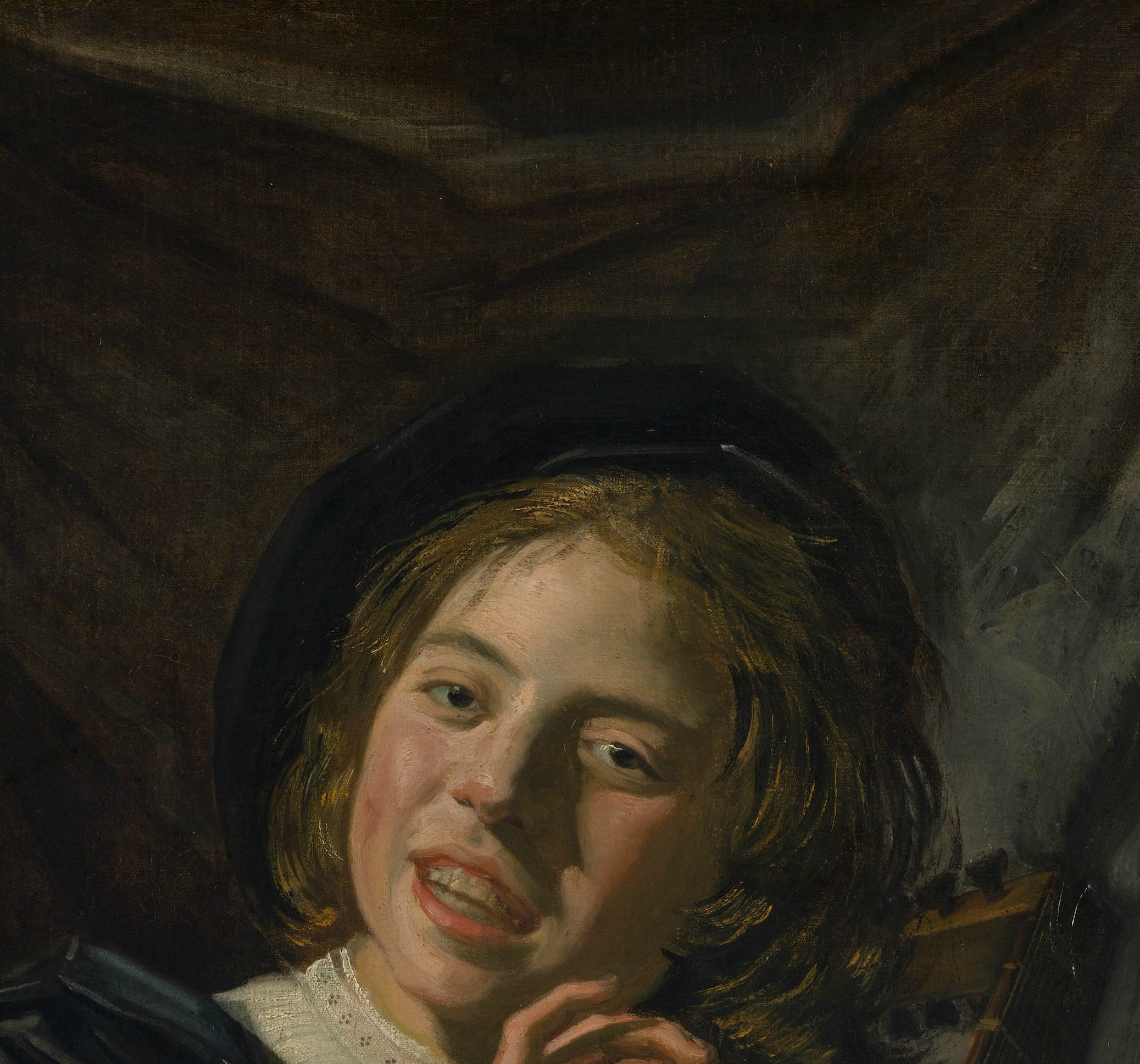
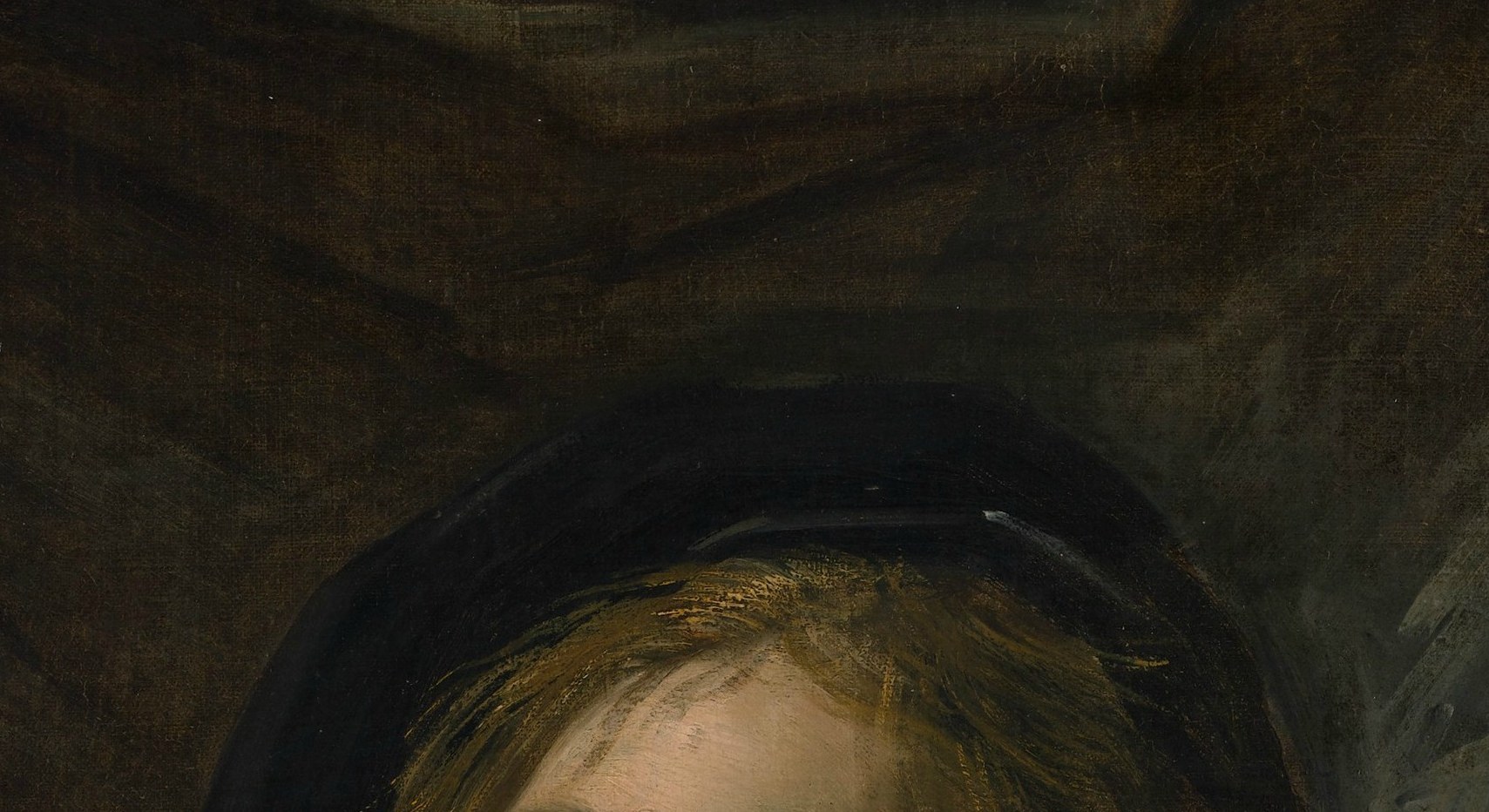
This is Frans Hals's 'Boy with a Lute' (also called 'The Fingernail Test'), painted around 1626 and now at the Metropolitan Museum of Art. For years it was caught in one of the Dutch Golden Age's most stubborn attribution fights, swinging between Hals and Judith Leyster, two Haarlem painters who shared the same fast, flickering brushwork.
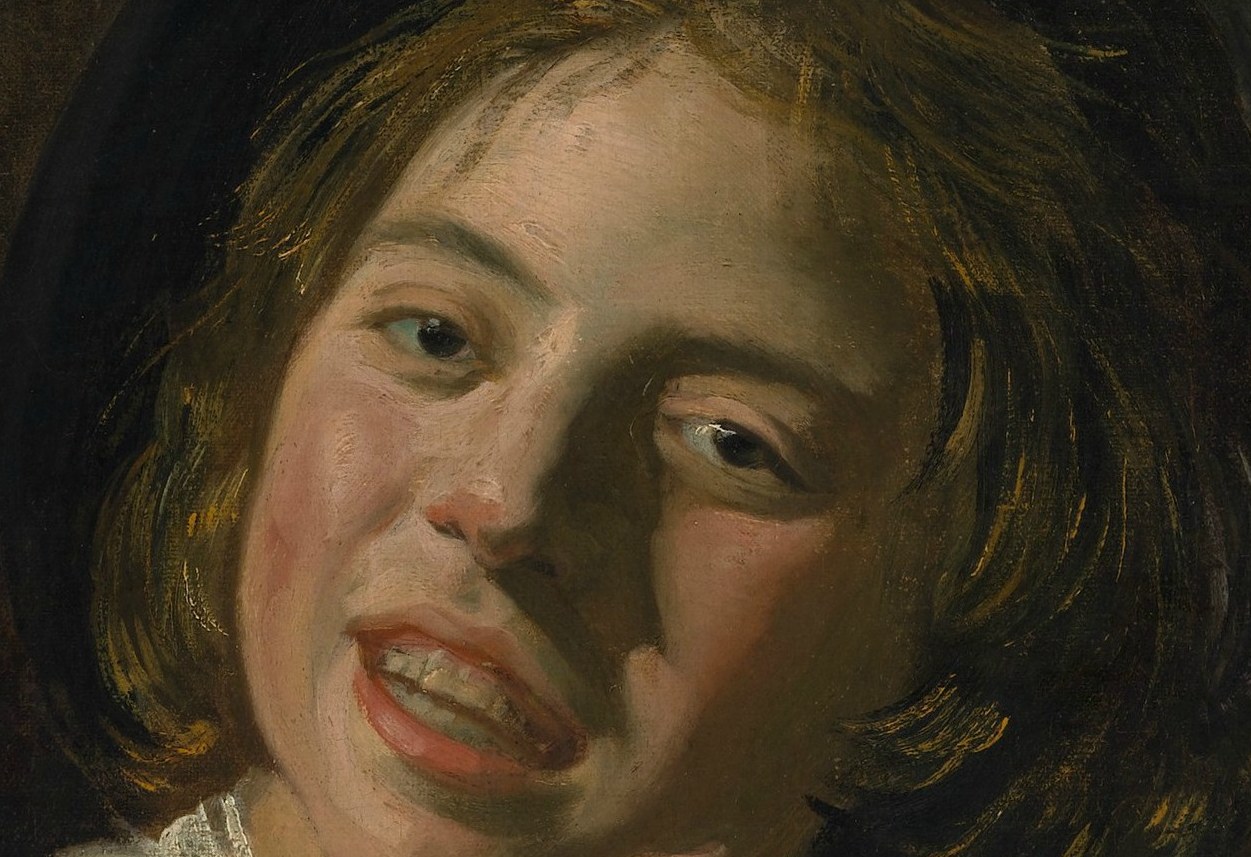
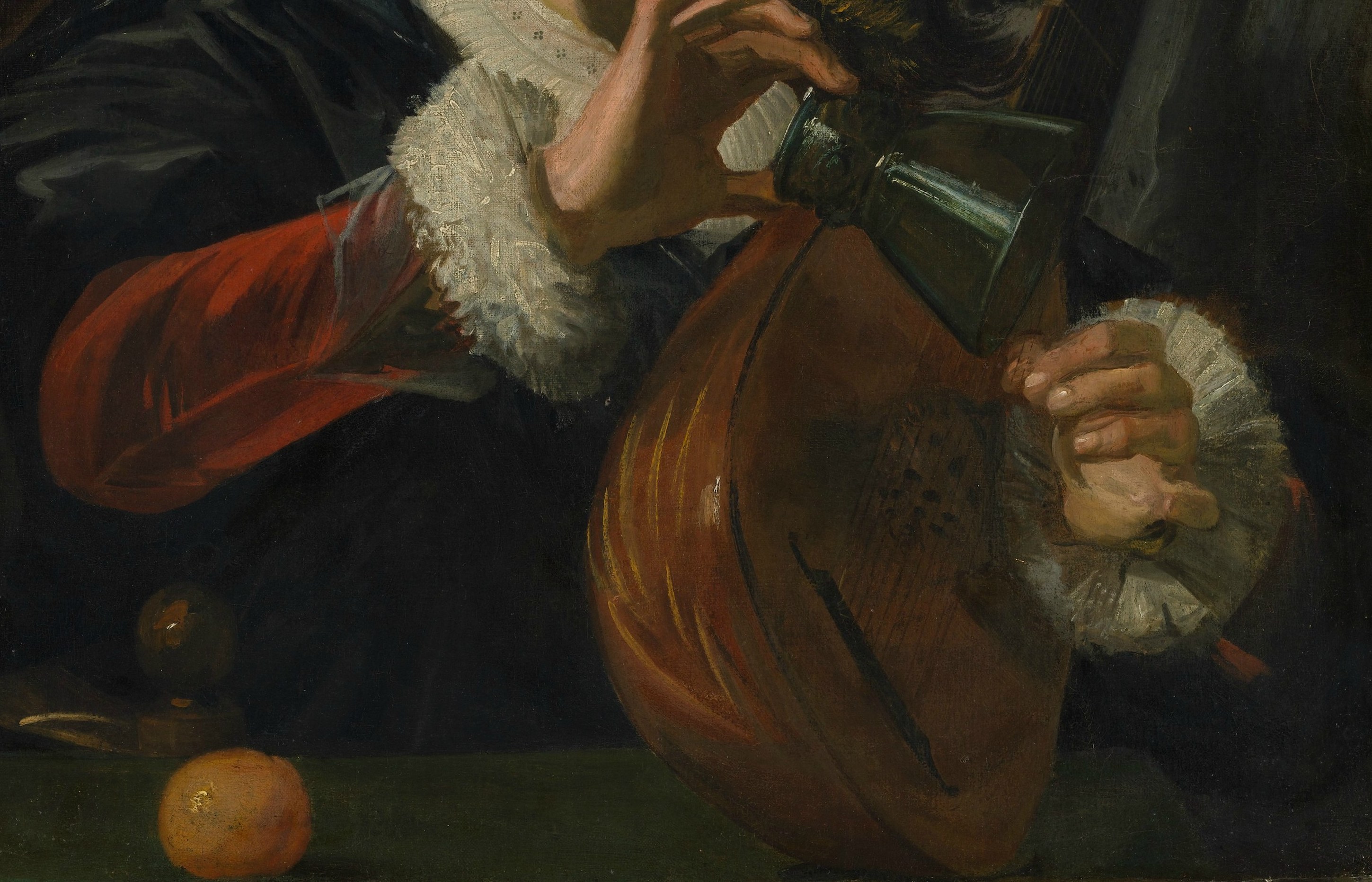
Look at the boy's mouth first. He laughs with his teeth showing, an open, unguarded grin that was nearly taboo in 17th-century formal portraiture. That audacity alone makes the painting stand out. Then look at his raised right hand: he presses a fingernail against a lute string, checking the tuning before he plays. It's a split-second technical gesture, not a pose.
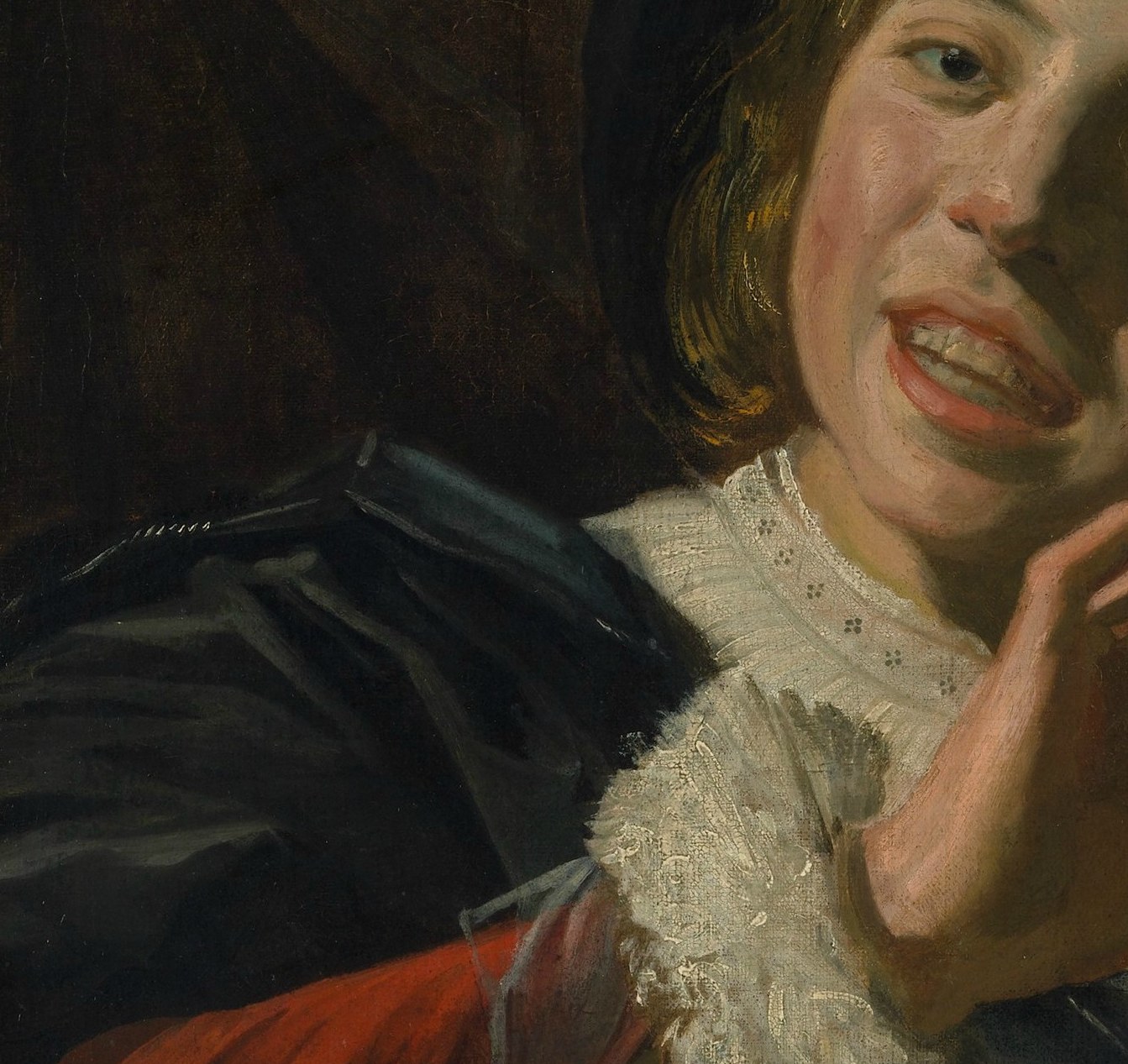
The attribution debate hung partly on this fingernail detail and partly on the brushwork. Hals was legendary for loose, "wet-on-wet" strokes that looked almost modern in their speed. Leyster, his contemporary, was one of the few painters who could convincingly work in the same mode, which is why experts argued for decades. Current consensus has settled back on Hals, placing the painting early in his career.
We don't know who this boy was. But he seems to know exactly who we are.
Details
Transcript
This boy is laughing at us. Directly at us. In the 1620s, showing teeth in a portrait was almost forbidden. Look at his right hand. He tests a lute string with his fingernail. The title 'The Fingernail Test' comes from this exact gesture. For decades, curators used this brushwork to argue the painter was Judith Leyster. Now most agree it was Frans Hals, whose loose, speedy strokes Leyster had mastered.