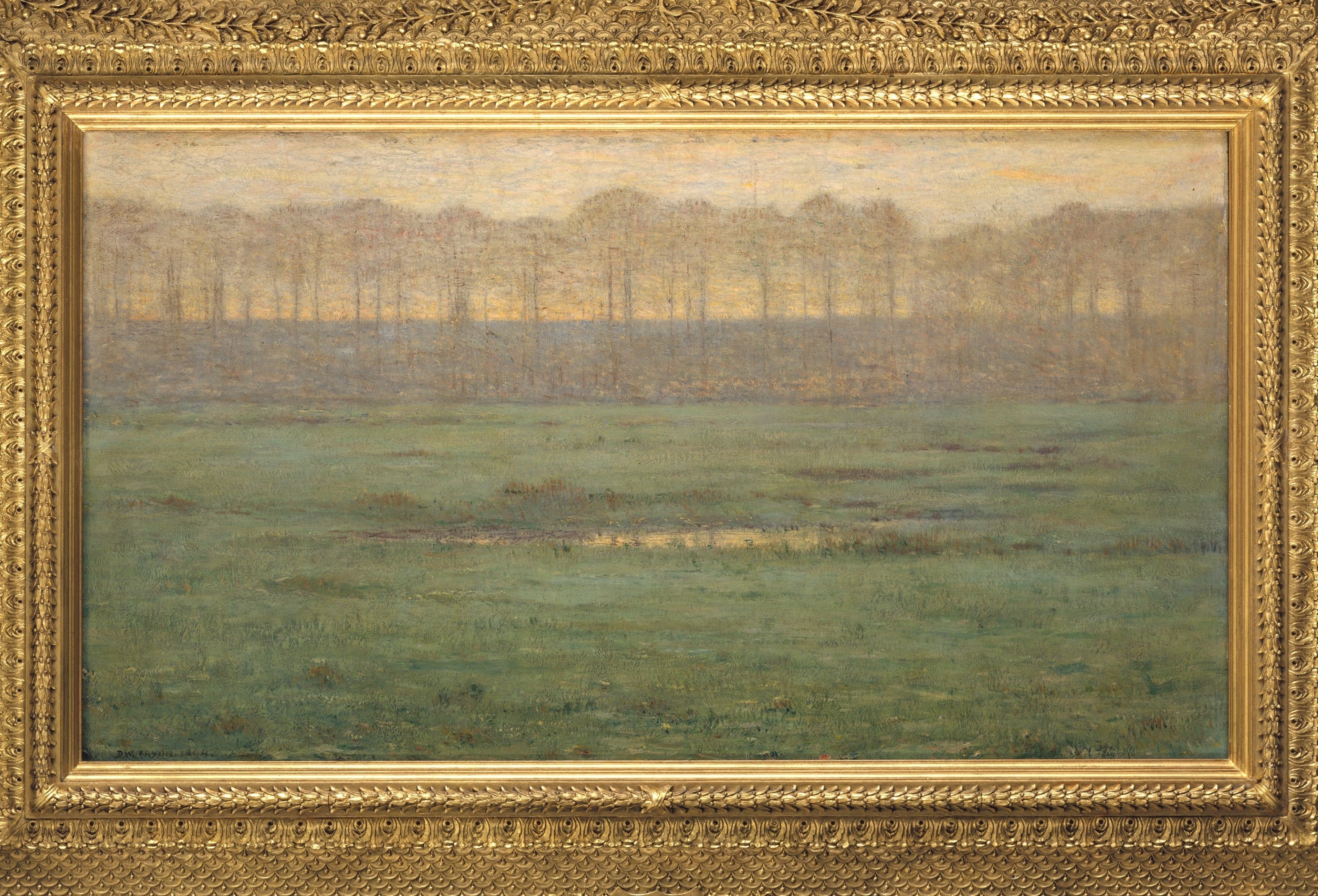
Dawn—Early Spring by Dwight William Tryon
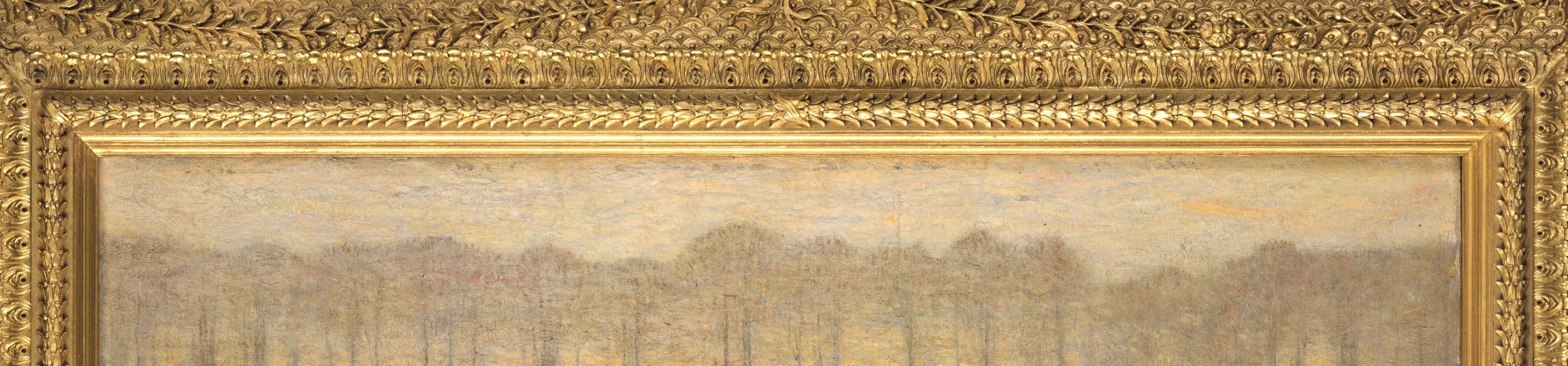
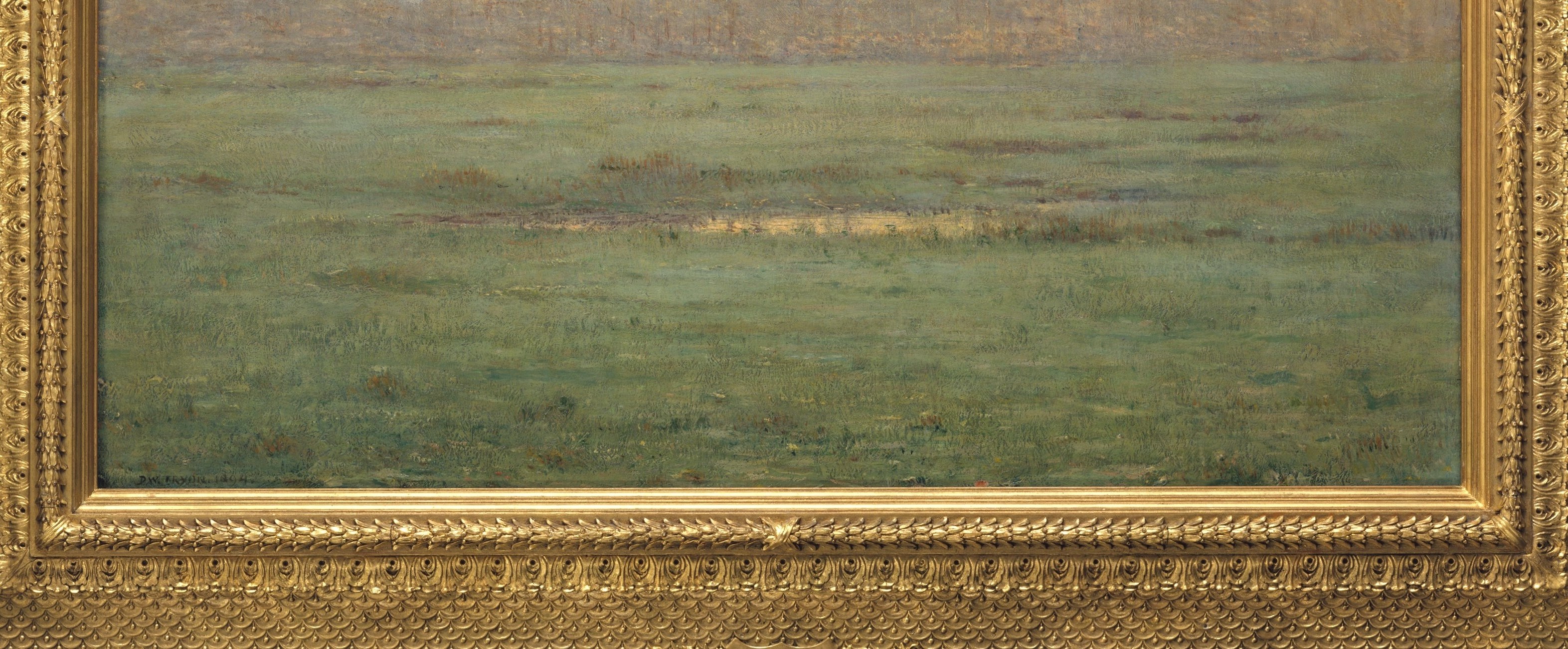
Dwight William Tryon's 'Dawn, Early Spring,' painted in 1898, is a quintessential example of American Tonalism, a style that prioritized mood and emotion over detailed realism. This serene oil painting is part of The Metropolitan Museum of Art's collection.
In this work, observe the soft, diffused light and muted color palette, characteristic of Tonalism. Tryon uses delicate brushstrokes to create a palpable atmosphere, inviting a sense of quiet contemplation rather than a sharp depiction of nature.
Tryon, influenced by artists like James McNeill Whistler, was active in the late 19th and early 20th centuries. His work aimed to evoke a unified emotional tone, capturing the tranquil essence of a landscape at dawn in early spring.
How does this subtle approach to landscape art resonate with you?
Details


Transcript
This quiet painting is a perfect example of Tonalism. It's an American art movement that lasted only a few decades. Tonalists believed landscapes should evoke emotion, not just depict nature. Notice the soft, diffused light and muted colors. Artists like this one prioritized mood over sharp detail. They aimed for a unified emotional tone, a feeling of calm.