Portrait of the Artist's Parents, Salomon de Bray and Anna Westerbaen by Bray, Jan de
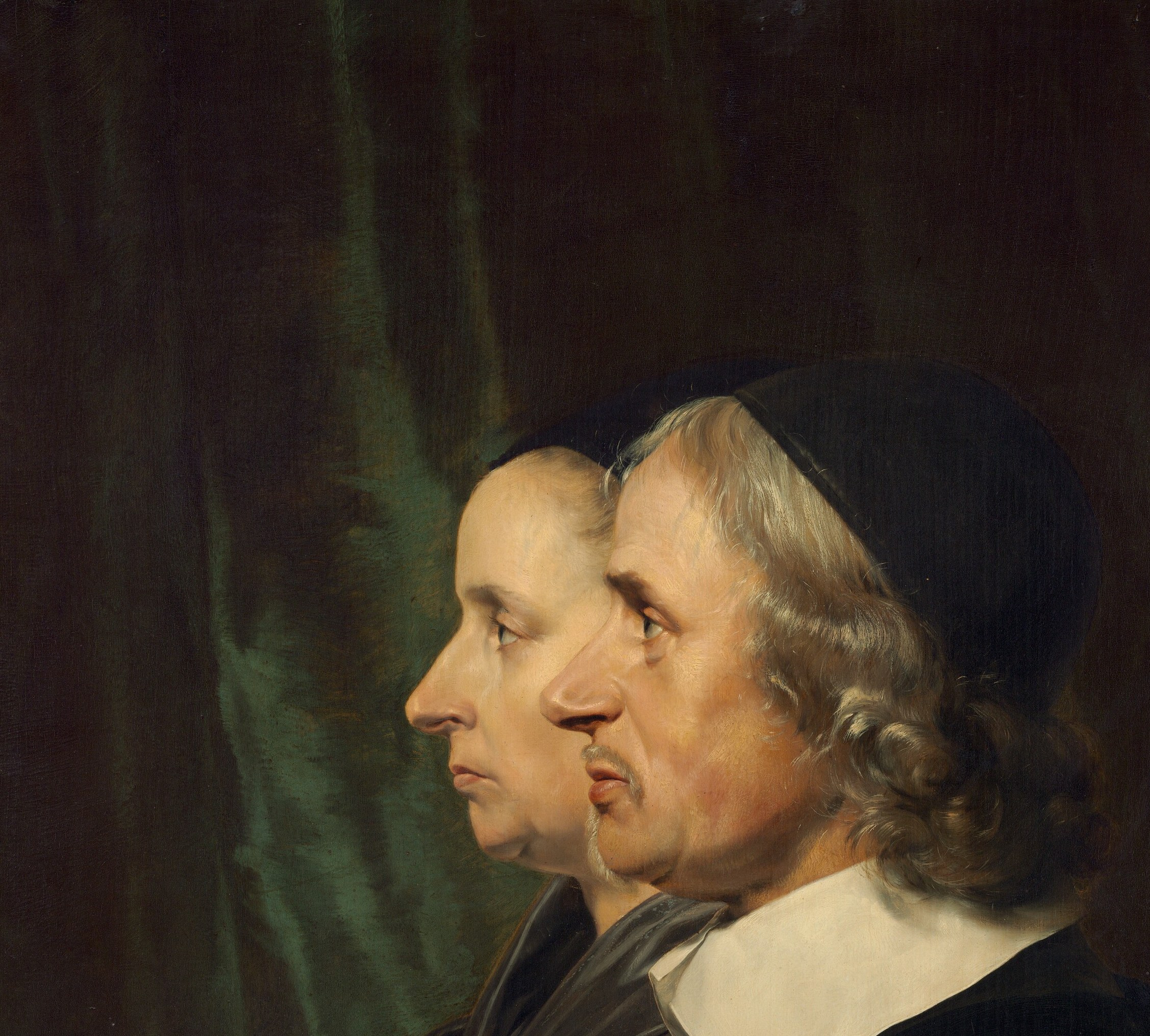
This is Jan de Bray's "Portrait of the Artist's Parents, Salomon de Bray and Anna Westerbaen." The painting, from 1664, is a quiet, intimate double portrait from the Dutch Golden Age. But its calm surface hides a profound sadness: it is a posthumous portrait. The artist's father was dead when Jan de Bray painted him.
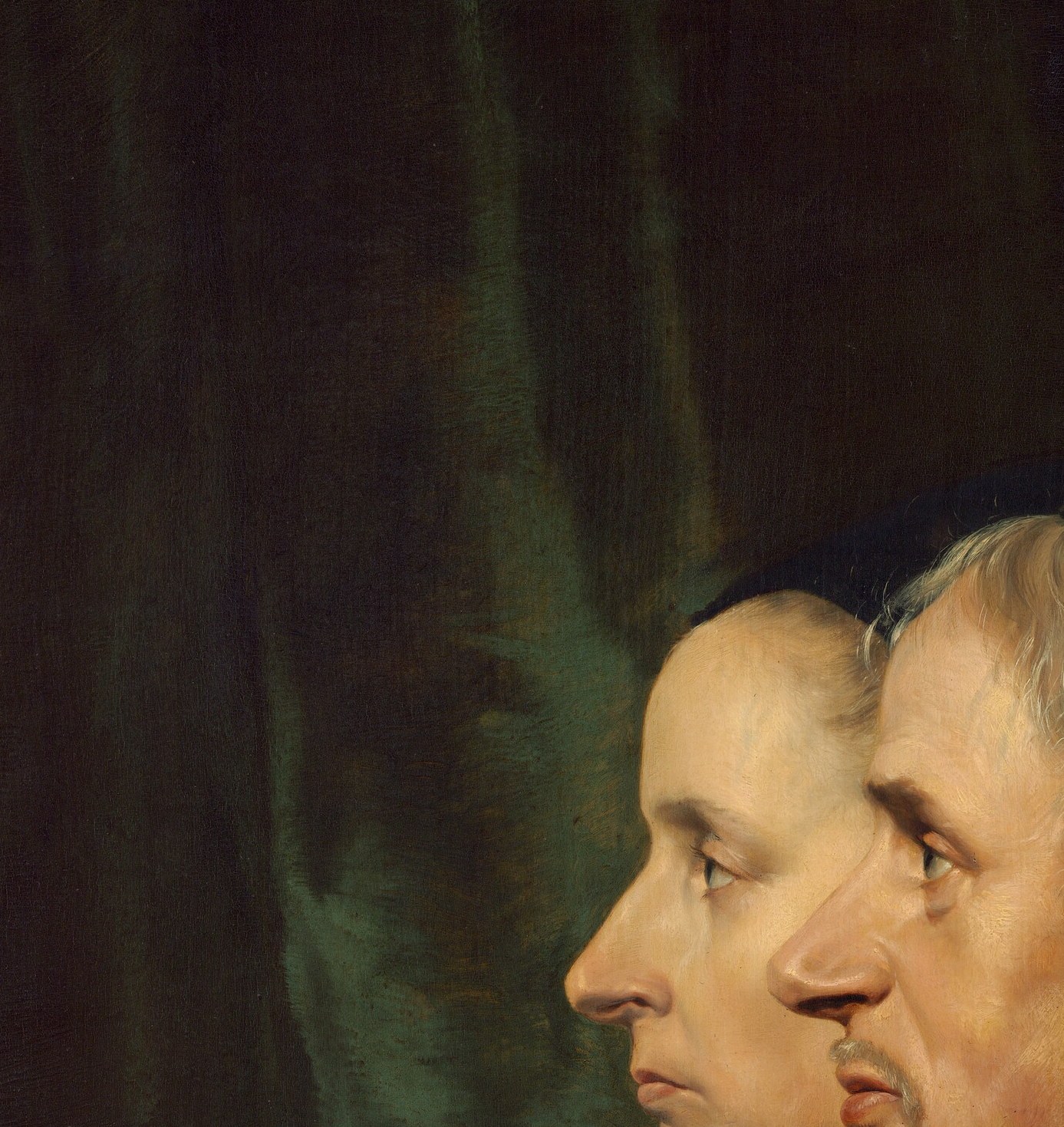
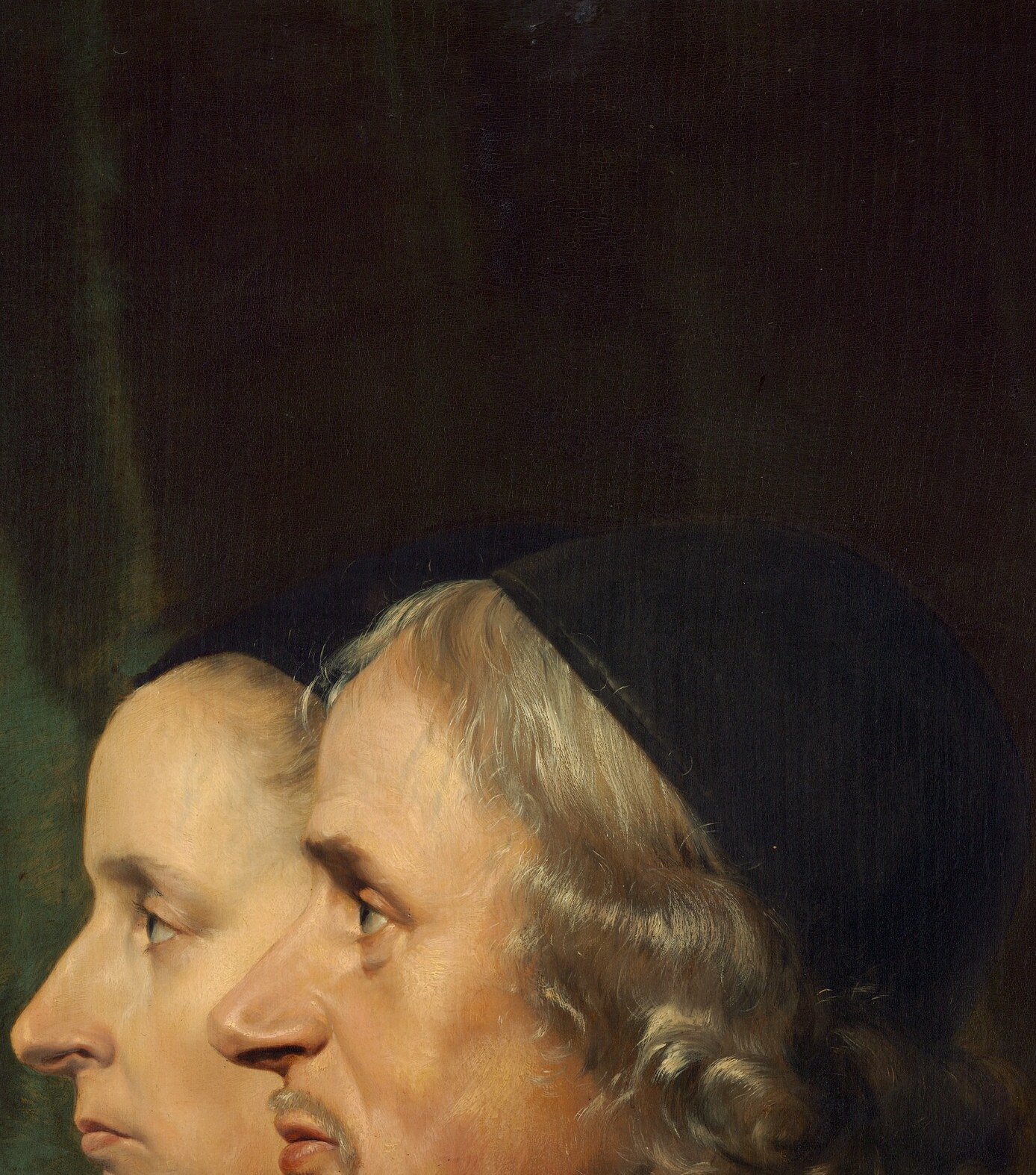
Look at the composition. Anna, the artist's mother, is bathed in light. The brightest highlight in the painting falls on her forehead. Salomon, his father, is shown in strict profile, slightly behind her, painted from memory or from a sketch. The contrast between her living presence and his shadowed, sculptural profile is the entire emotional argument of the work.
Haarlem was devastated by a plague outbreak in 1663 and 1664. Salomon de Bray, himself an accomplished painter and architect, died in April of 1664. His son Jan, who had learned painting from him, responded to the loss by creating this memorial. Painting deceased family members was not unusual, but Jan de Bray wove the fact of death directly into the formal structure of the portrait.
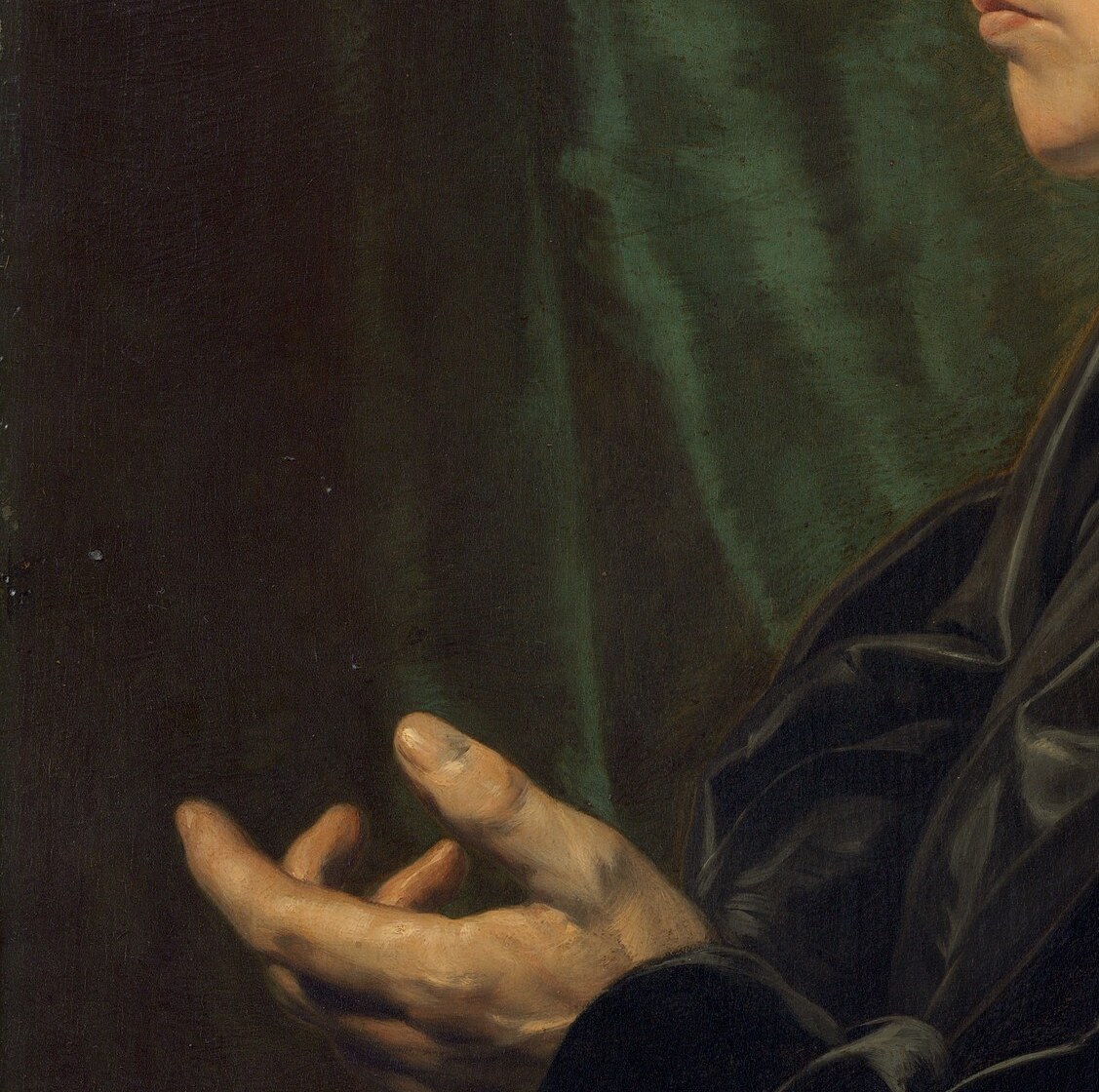
Notice the father's raised hand, the only gesture in an otherwise static composition. Fingers slightly apart, it is a hand captured mid-explanation, as if he is still speaking. This detail transforms the portrait from a simple record into a conversation across death. The painting hangs in a private collection, a quiet act of filial devotion preserved for centuries.
Details
Transcript
In 1664, Jan de Bray painted his parents. But the painting is not what it appears. His father was already dead when this was painted. Haarlem suffered a plague outbreak in 1663. Salomon de Bray died in April of 1664. His raised hand is the gesture of a ghost. Anna, his wife, sits in the light of the living.