Portrait of a man by Cornelis van der Voort
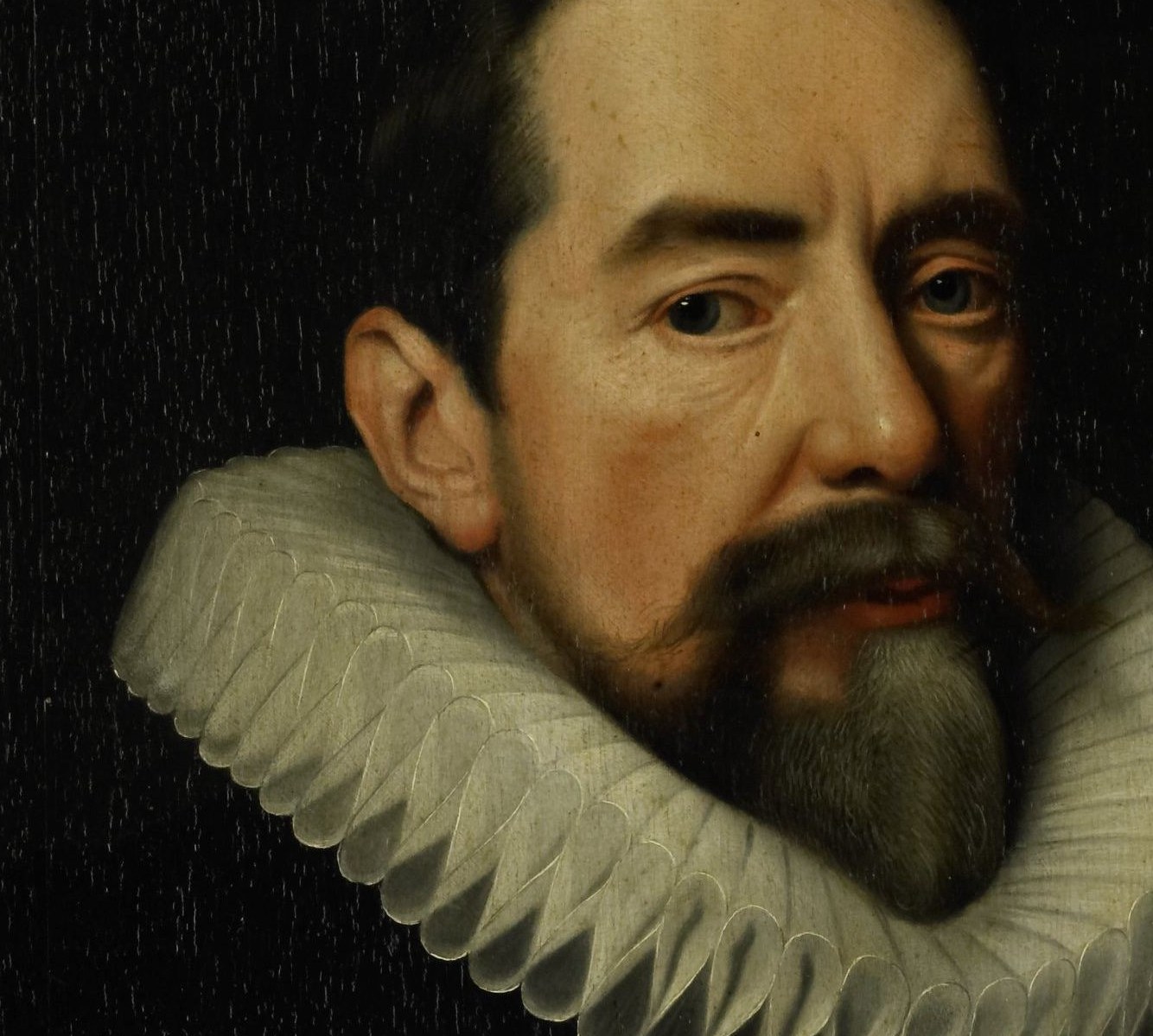
This striking "Portrait of a man," created around 1648, is a testament to the enduring influence of Cornelis van der Voort, even decades after his death. Though the artist himself passed away in 1624, his unique style was meticulously carried on by his workshop, demonstrating how powerful an artist's vision can be.
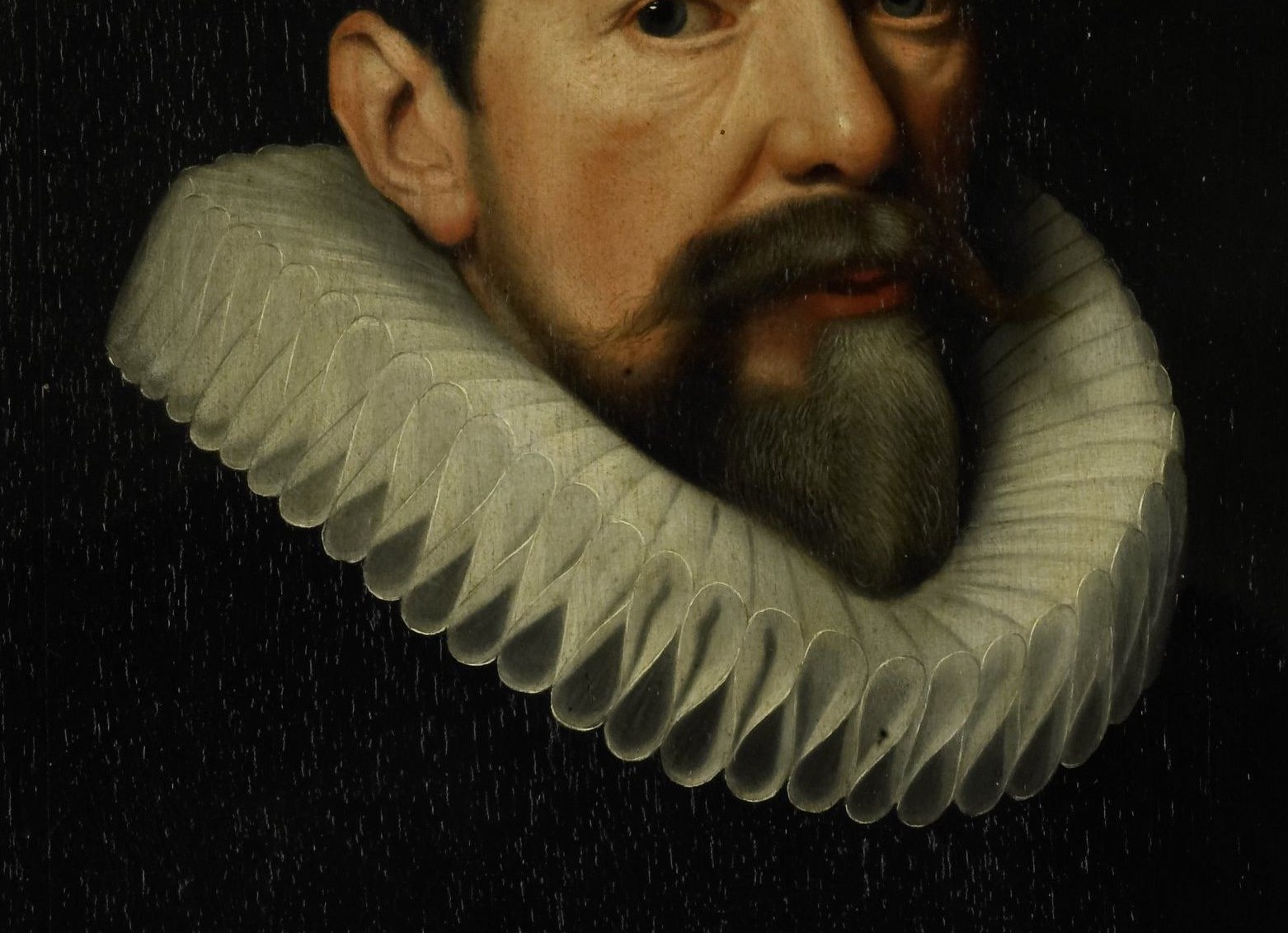
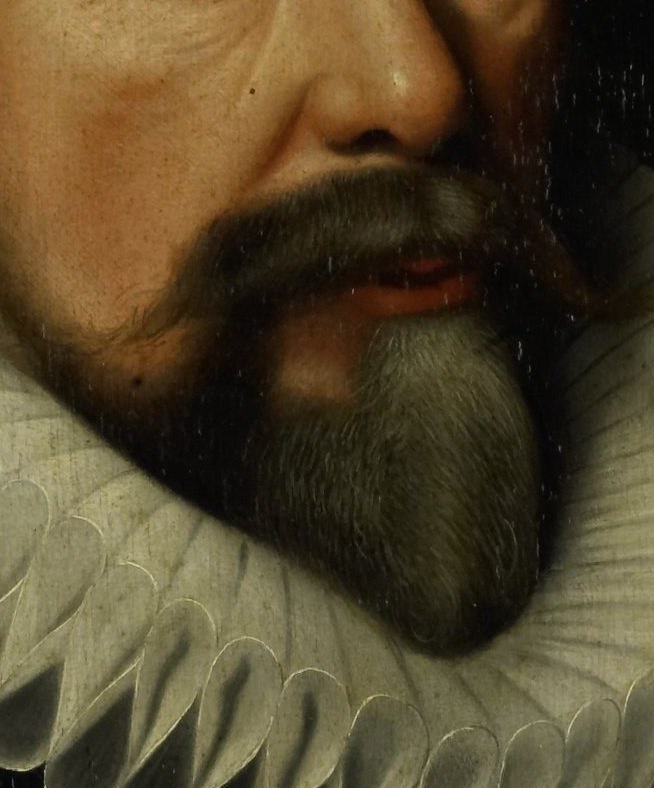
Observe the sitter's calm demeanor, his piercing eyes, and the exquisitely rendered ruff that frames his face. These elements, hallmarks of van der Voort's approach, capture the dignity and social standing favored in Dutch Golden Age portraiture.
Van der Voort was a pivotal figure in early 17th-century Amsterdam, known for pioneering life-size, full-length portraits. His workshop's continuation of his methods after his death speaks to the respect and mastery achieved by his followers. This painting, now part of the Rijksmuseum collection, highlights a fascinating aspect of art history: the legacy an artist leaves behind, not just in their own works, but in the hands of those they inspired.
What details do you find most compelling in this portrait?
Details
Transcript
This man holds a steady gaze, even today. His quiet dignity is typical of Dutch Golden Age portraits. Look closely at the precise folds of his ruff. The painter was known for capturing such intricate details. But this portrait dates to 1648. The artist, Cornelis van der Voort, died in 1624. His distinctive style was carried on by his students.