Young man in Mayo costume by Édouard Manet

In 1863 the official Paris Salon jury rejected this portrait. It hung instead at the Salon des Refusés, right beside Déjeuner sur l'herbe. This is Young Man in Mayo Costume by Édouard Manet, now in the Metropolitan Museum of Art.

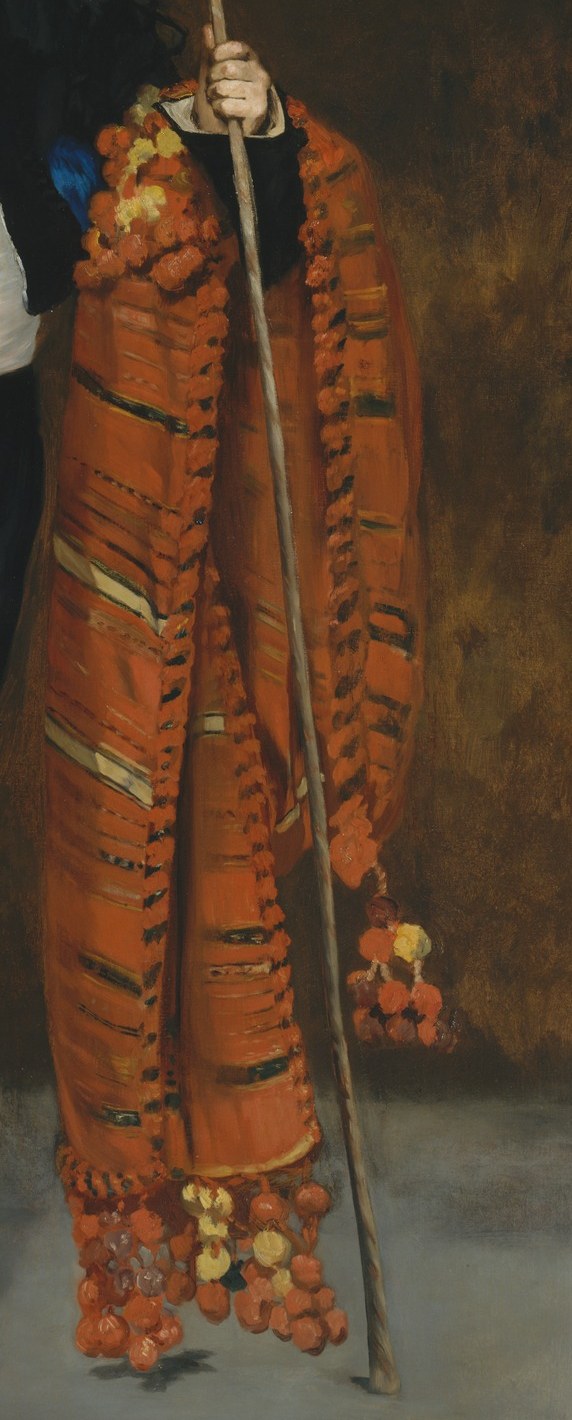
The hat is a direct quotation from Diego Velázquez, the Spanish painter Manet revered. The red bolero and trousers belong to a majo, a street dandy of Madrid's working class. The frayed tassels tell you this was worn, not bought for a sitting. The model is Gustave, the painter's youngest brother.

1863 was a breaking point. Napoleon III authorized the Refusés after the Salon rejected so many works. Manet showed three paintings: this portrait, Déjeuner, and Mademoiselle V wearing the exact same bolero. The identical costume links them across the gallery.

He stands there still, a French boy in a Spanish street fighter's clothes, in a painting the establishment tried to keep from view. What else did they reject that year?

#arthistory #manet #metmuseum

Details
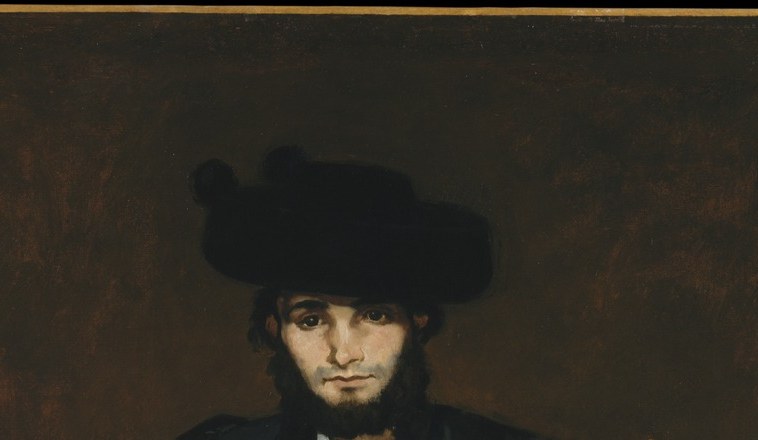
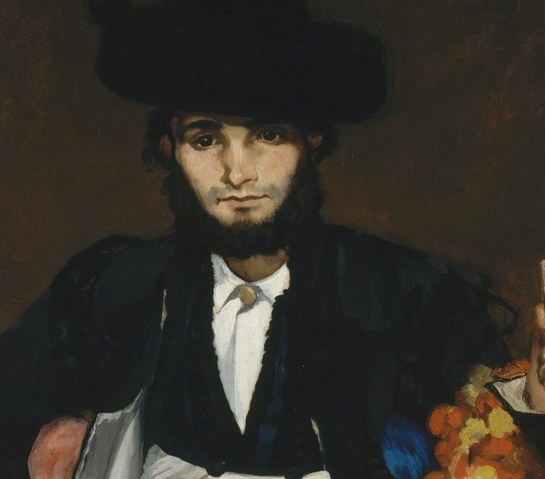
The defining silhouette of the majo costume, tilted at a rakish angle; ties the painting to Goya's majas and to Velázquez's street types that Manet was explicitly homaging in 1863
The most texturally alive passage in the painting , thick impasto strokes build the velvet folds; the warm ochre-orange anchors the right half of the composition and echoes bullfighting regalia
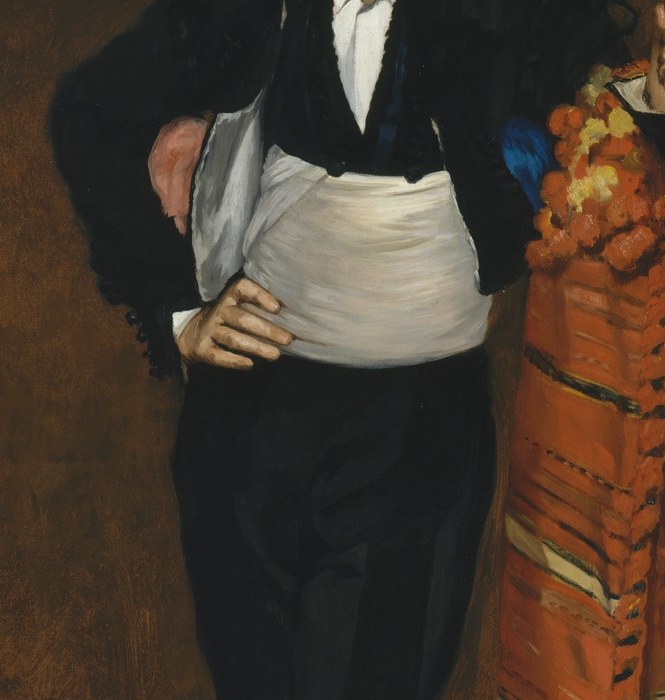
The single loudest value contrast in the picture , Manet uses the sash as a horizontal anchor to break the vertical column of the figure; it is also a key majo costume identifier
Gustave Manet's gaze turns slightly aside with cool detachment , Manet rarely let sitters meet the viewer's eye directly, and the hat brim cuts a dramatic shadow across the forehead
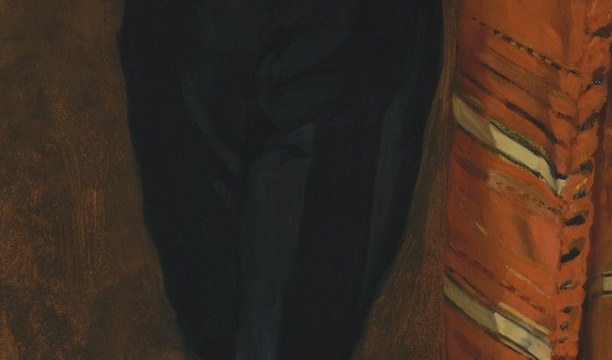
The jacket's short cut is distinctively majo; Manet renders it in near-flat dark tones with minimal modelling, a deliberate flatness learned from Japanese prints and Spanish masters
Transcript

1863. The official Salon jury refused to hang it. That black hat is a direct quotation from Velázquez. The model is the painter's youngest brother, Gustave. Red: the costume of a majo, a Spanish street dandy. Cocked hand on hip: a flamboyant gesture of swagger. It hung at the 1863 Salon des Refusés beside Déjeuner sur l'herbe.