Mercury and Io by Willem Ossenbeeck
Willem Ossenbeeck's "Mercury and Io," painted in 1632 and now at the Rijksmuseum, deftly blends classical mythology with the pastoral sensibilities of the Dutch Golden Age. This artwork, while seemingly a serene landscape, tells a dramatic tale of divine intervention and transformation.
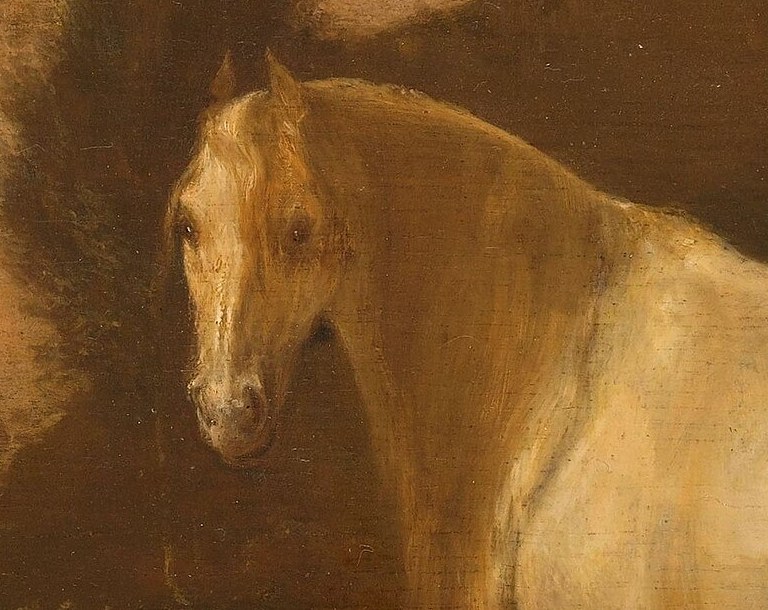
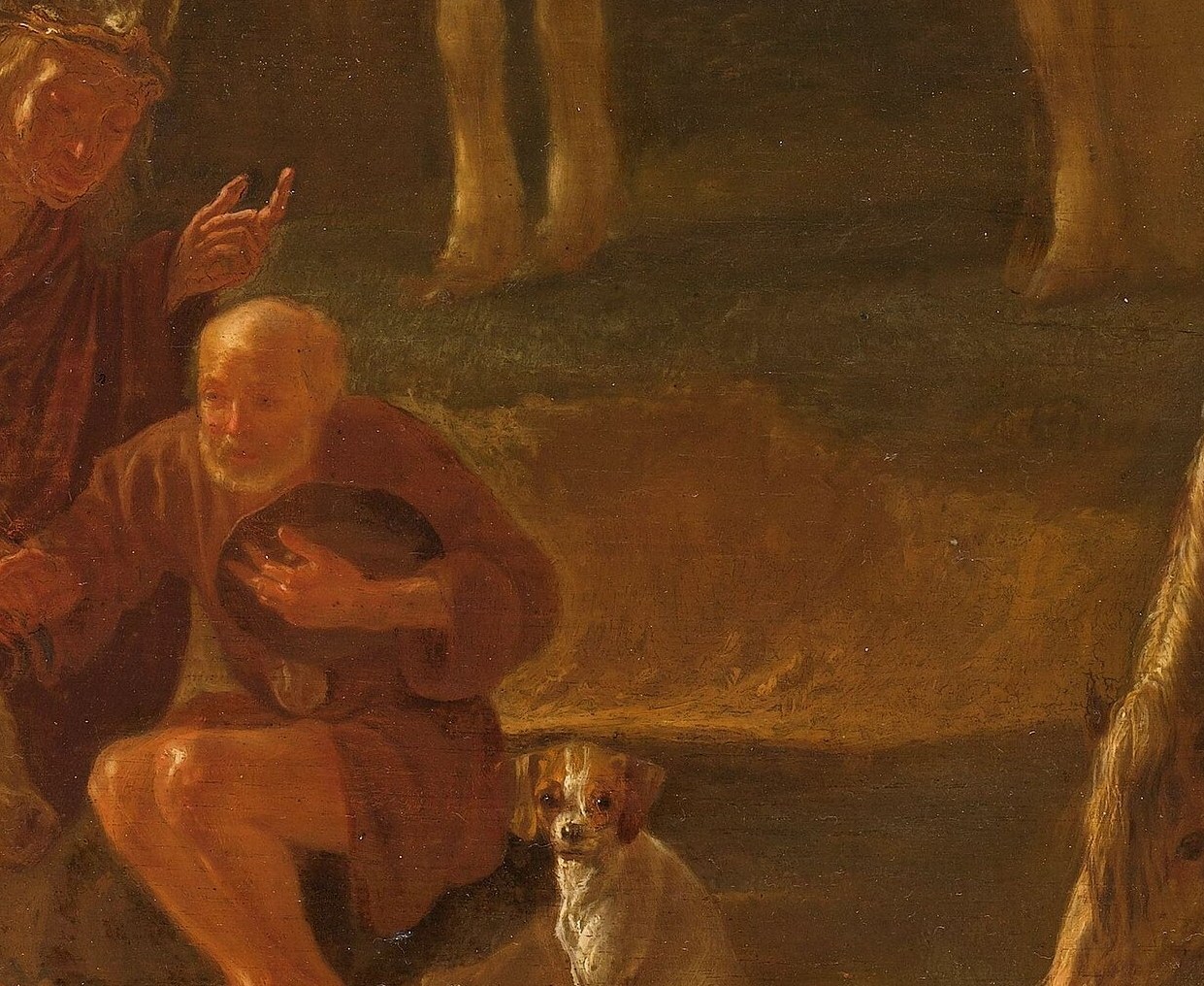
Focus on the figure of Io, identified by her subtle leafy crown and wings, even as the narrative implies her imminent transformation into a cow. Her calm demeanor, juxtaposed with Mercury's gentle presence, hints at the quiet unfolding of a powerful myth.
Ossenbeeck masterfully employs chiaroscuro, using strong contrasts of light and shadow to bring the central figures to life while the surrounding landscape recedes. This technique not only creates depth but also directs the viewer's eye to the key narrative elements, inviting a deeper look into the story.
This painting is a testament to how Dutch artists of the 1630s integrated mythic narratives into familiar settings, making ancient stories relevant to contemporary audiences. What details do you notice that bridge the divine with the everyday?
Details
Transcript
This Dutch Golden Age painting hides a classical myth. It shows Mercury, disguised as a herdsman, and the nymph Io. Io was transformed into a white cow by Zeus to hide her. Here, Ossenbeeck uses pronounced light to model the figures. Look closely at her leafy crown and wings. These identify her as a divine being, despite her disguise. The painting entered the Rijksmuseum's collection in Amsterdam.