Roman Landscape by http://www.wikidata.org/.well-known/genid/587493cb16bc18f98e087b81f04dc580
In 1850, this painting sold for under $100. Today, it is insured for over $1,000,000. Roman Landscape, by an artist whose name is now lost to history, presents a serene vista where history and nature intertwine. The juxtaposition of ancient, decaying ruins with tranquil pastoral scenes is a common theme, but here, the incredible inflation of the artwork's monetary value over time adds another layer of historical commentary.
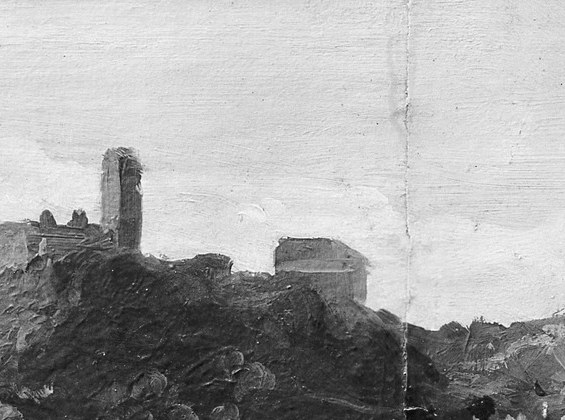
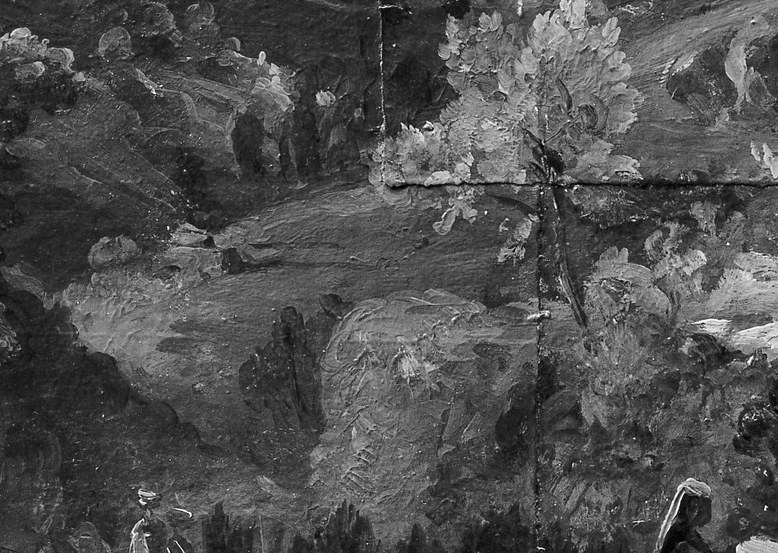
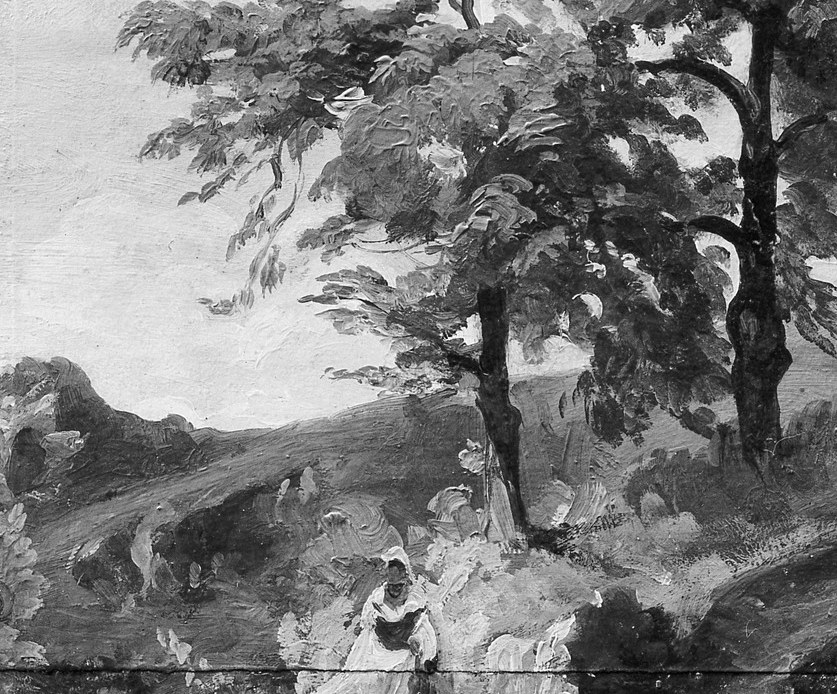
Observe the detailed rendering of the 'ruined edifice on hill', a symbol of past grandeur now yielding to time. Notice how the 'woman reading a book' under the 'large tree in the foreground' embodies a quiet present, seemingly oblivious to the immense financial journey this canvas has undertaken. The 'foliage texture midground' showcases the delicate brushwork that now carries such significant worth.
This painting exemplifies how the market value of art can drastically change, often far exceeding its original sale price. The contrast between its initial sale and its current insured value highlights the speculative nature of the art market and how cultural and historical significance can translate into substantial financial appreciation.
What does this dramatic shift in monetary value tell us about our perception of art and history?
Details
Transcript
This landscape sold for less than a hundred dollars. Yet it was insured for over a million today. Look at the distant, crumbling Roman ruins. They suggest wealth that has long since passed. Here, a woman rests with her book. The artist painted this in 1850. Today, tiny brushstrokes hold immense value.