The Wyndham Sisters: Lady Elcho, Mrs. Adeane, and Mrs. Tennant by John Singer Sargent
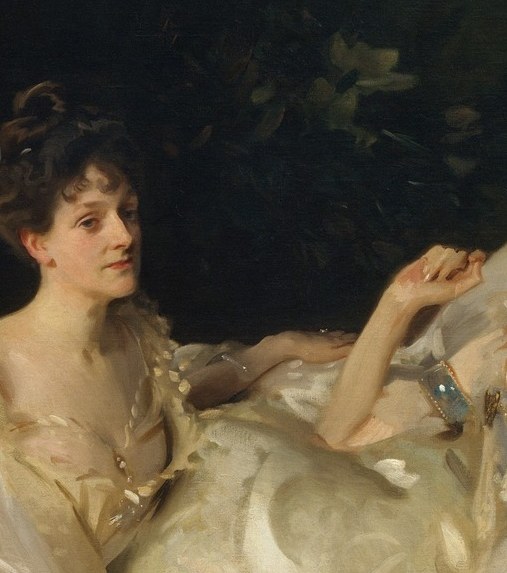
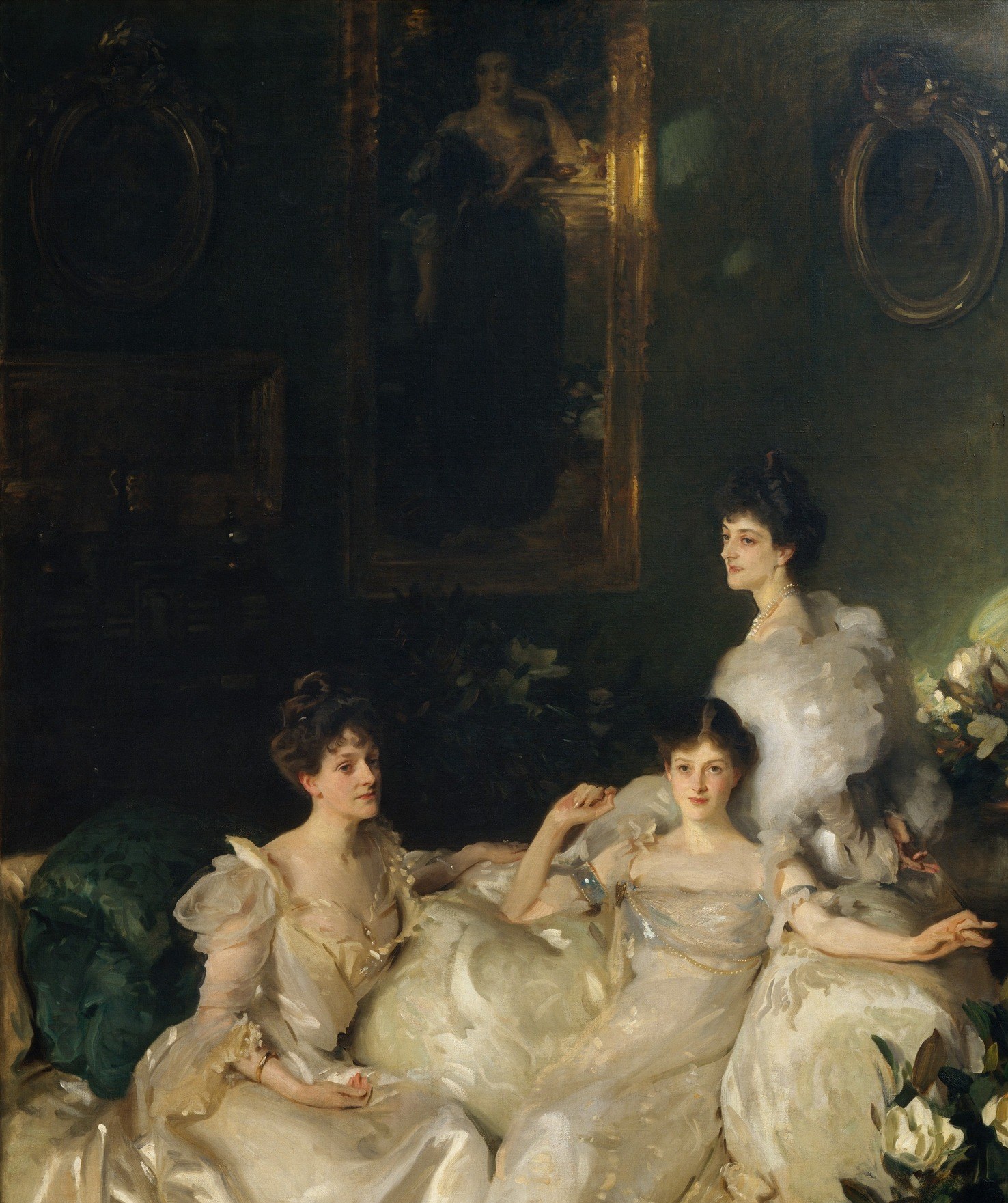
This is John Singer Sargent's grand portrait of the Wyndham Sisters, painted in 1899 and now held at the Metropolitan Museum of Art. The three women were prominent figures in London society, but the painting became famous for something beyond their family name. When the Prince of Wales saw it, he gave them a classical alias: "The Three Graces." That nickname transformed a society portrait into a coded statement about status and beauty at the end of the Victorian era.
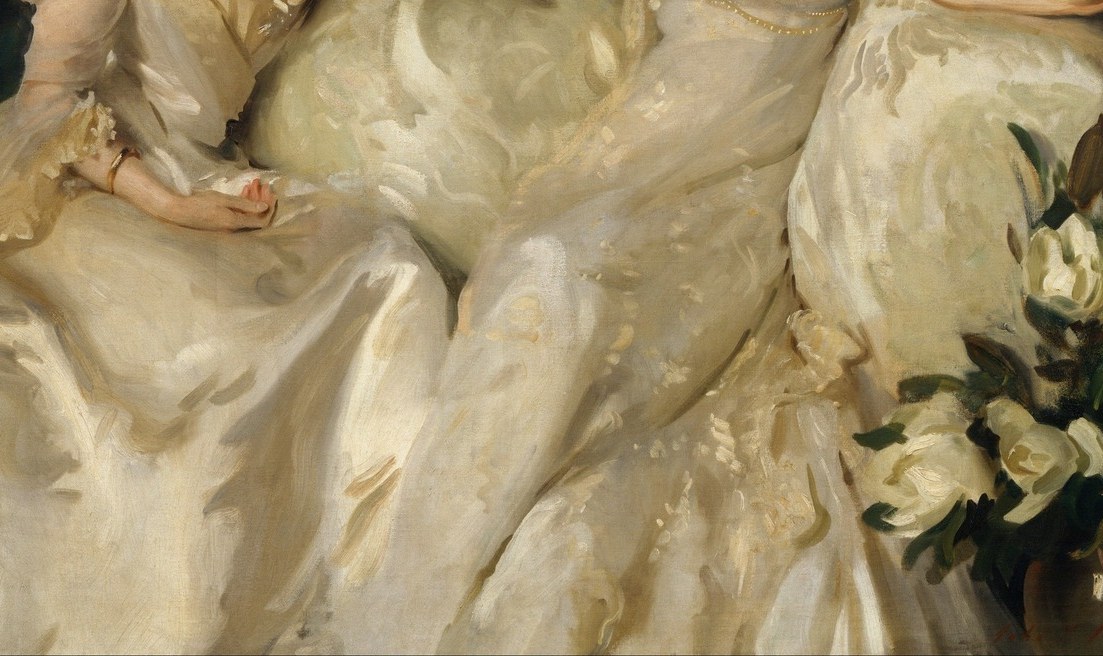
Look for the white roses massed in the foreground. In Renaissance art, the Three Graces were often shown holding or surrounded by white roses, a symbol of beauty and purity. Sargent included them deliberately. Then watch the satin gowns: a single confident highlight stroke of near-white paint does all the work. The technique is almost arrogant in its economy.
Sargent was the most sought-after portraitist of his generation, painting the wealthy and powerful on both sides of the Atlantic. By 1899 he had survived the scandal of "Madame X" in Paris and rebuilt his career in London. This canvas cemented his reputation. It draws a direct line between contemporary aristocrats and classical mythology, giving three sisters from the Wyndham family the visual language normally reserved for goddesses.
That was the real code. A portrait of modern women could look like an immortal allegory. And in Edwardian London, where social standing was everything, being painted as a goddess was its own kind of power.
Details
Transcript
Three sisters in white. London, 1899. The Prince of Wales saw them and gave them a name. "The Three Graces." A classical allegory of beauty, charm, and joy. White roses: the attribute of the Graces in Botticelli's Primavera. A single stroke of paint becomes satin catching gaslight. Sargent made modern aristocrats look like immortals. The code was a social ambition: nouveau riches dressed as ancient goddesses.