The Fable of the Miller, His Son, and the Donkey by Elihu Vedder
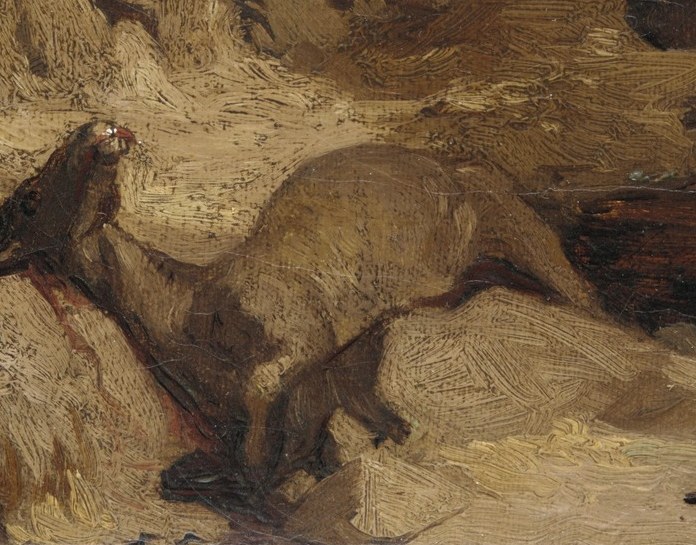
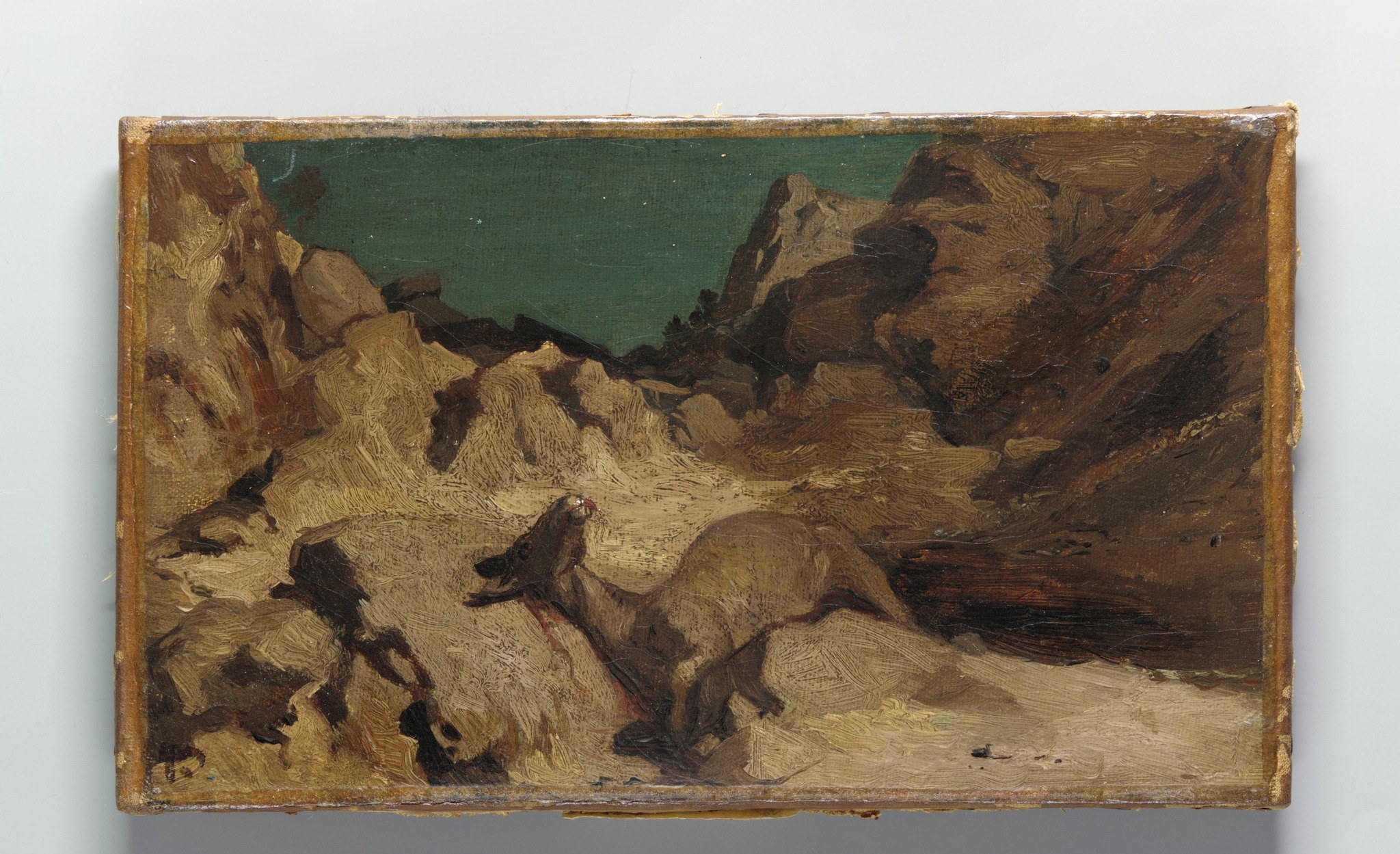
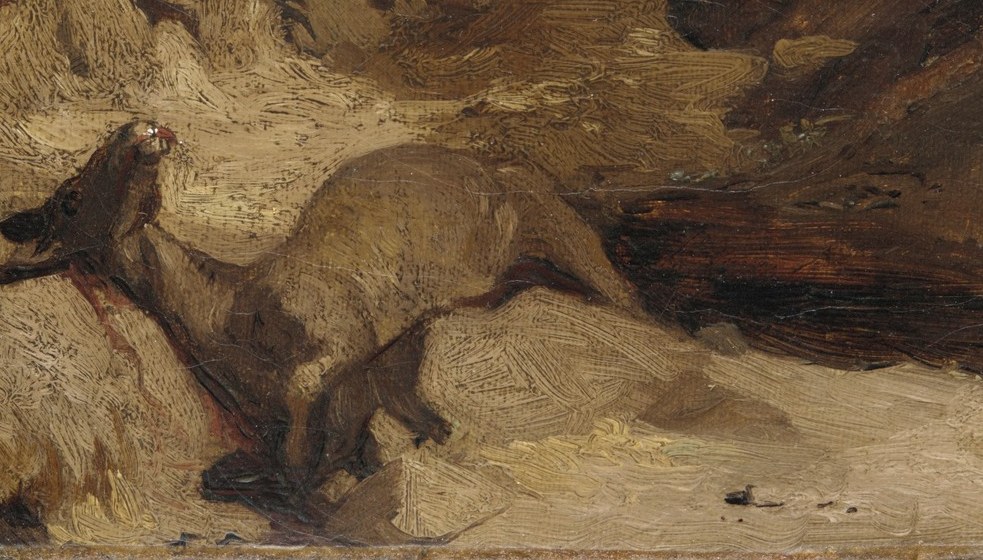
Elihu Vedder's "The Fable of the Miller, His Son, and the Donkey," painted in 1867, at The Metropolitan Museum of Art, illustrates an age-old tale about the futility of trying to please everyone.
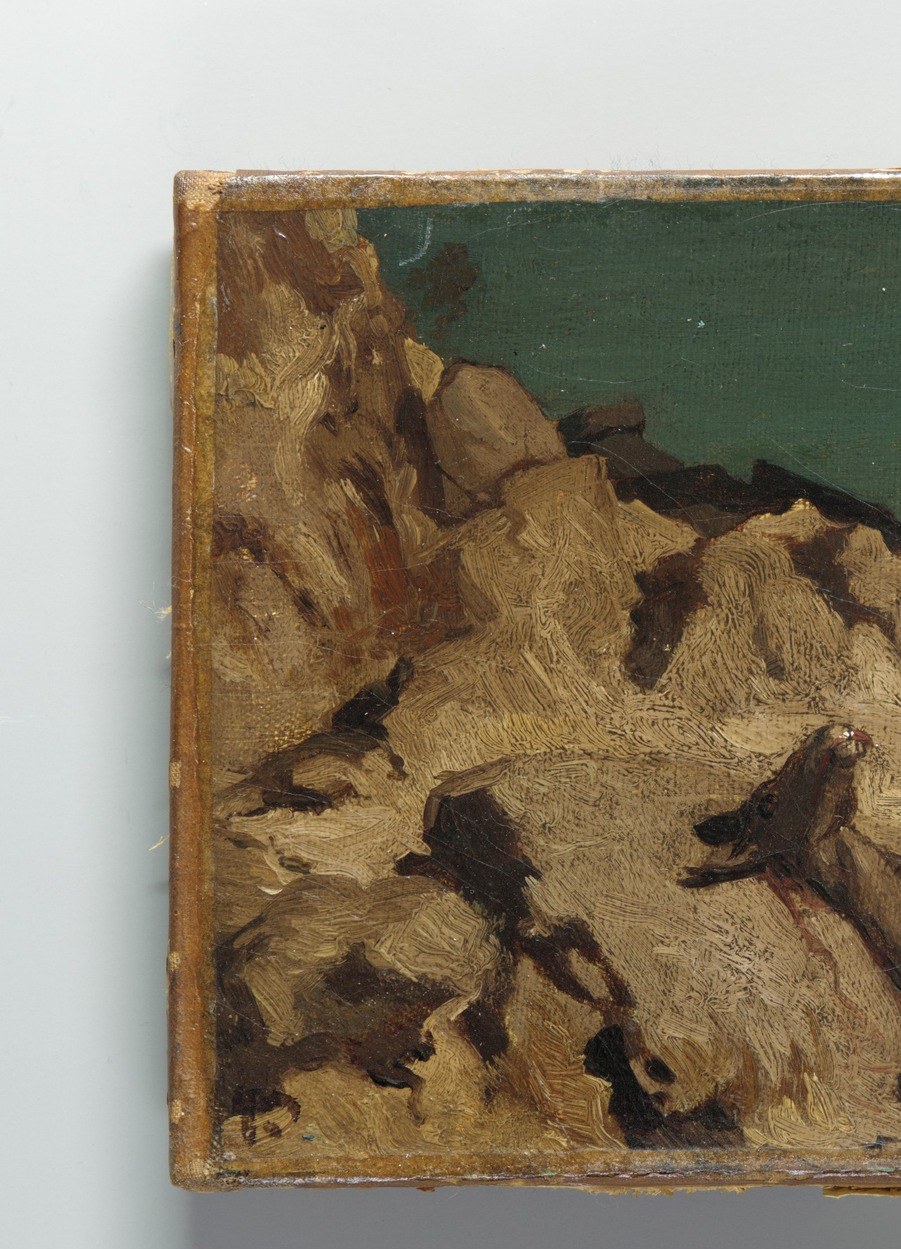
Look closely at the miller's posture and his hand resting on the donkey. Every line of the landscape, from the worn path to the shadowed valley and distant peak, emphasizes the arduous journey.
Vedder, an American Symbolist painter, was known for his evocative and allegorical works. While more famous for his illustrations for *The Rubaiyat of Omar Khayyam*, this oil painting showcases his talent for storytelling through visual art.
The painting's quiet contemplation invites us to reflect on the burdens we carry, and the wisdom of our own choices.
Details
Transcript
This painting tells a familiar fable. It shows a miller and his donkey, on a long journey. The path is rugged, and the sky is dark. The miller is exhausted, burdened by others' opinions. He tries to please everyone, but finds only weariness. Elihu Vedder painted this enduring lesson in 1867.