Morning Haze by Monet, Claude
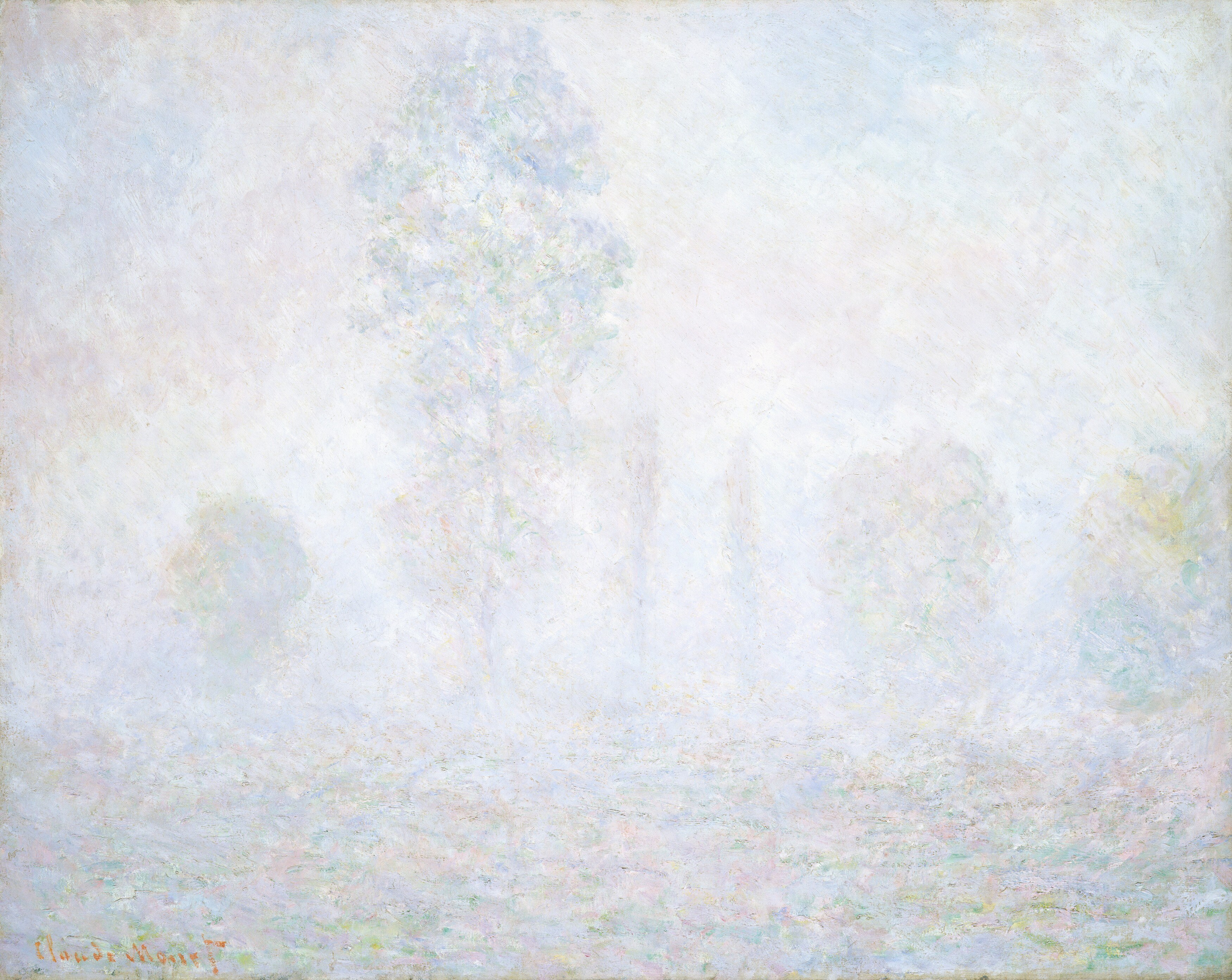
Claude Monet's "Morning Haze," painted in 1888, is a masterclass in capturing the ephemeral beauty of light and atmosphere. This oil on canvas, housed in a private collection, perfectly exemplifies the artist's dedication to Impressionism.
Look closely at how Monet uses a soft, diffuse light to suggest the quiet of early morning, and how a pervasive mist softens the forms of the distant trees. The muted greens and browns contribute to an ethereal mood, while his visible brushstrokes give the painting a tangible texture of misty air.
Monet was a pioneer of plein-air painting, working outdoors to directly observe and capture fleeting moments. His groundbreaking approach, which gave Impressionism its name, aimed to convey not just the subject, but the sensation of light and atmosphere itself.
This painting invites us to pause and appreciate the transient beauty of nature, just as Monet experienced it.
Details


Transcript
This painter often captured the exact feeling of a moment. Notice the soft, diffuse light of early morning. A pervasive mist hangs, softening every form. He uses muted greens and browns to create this ethereal mood. His visible brushstrokes convey the texture of misty air. This technique was central to his Impressionist style.