Mr. Baylor by Johnson, Joshua
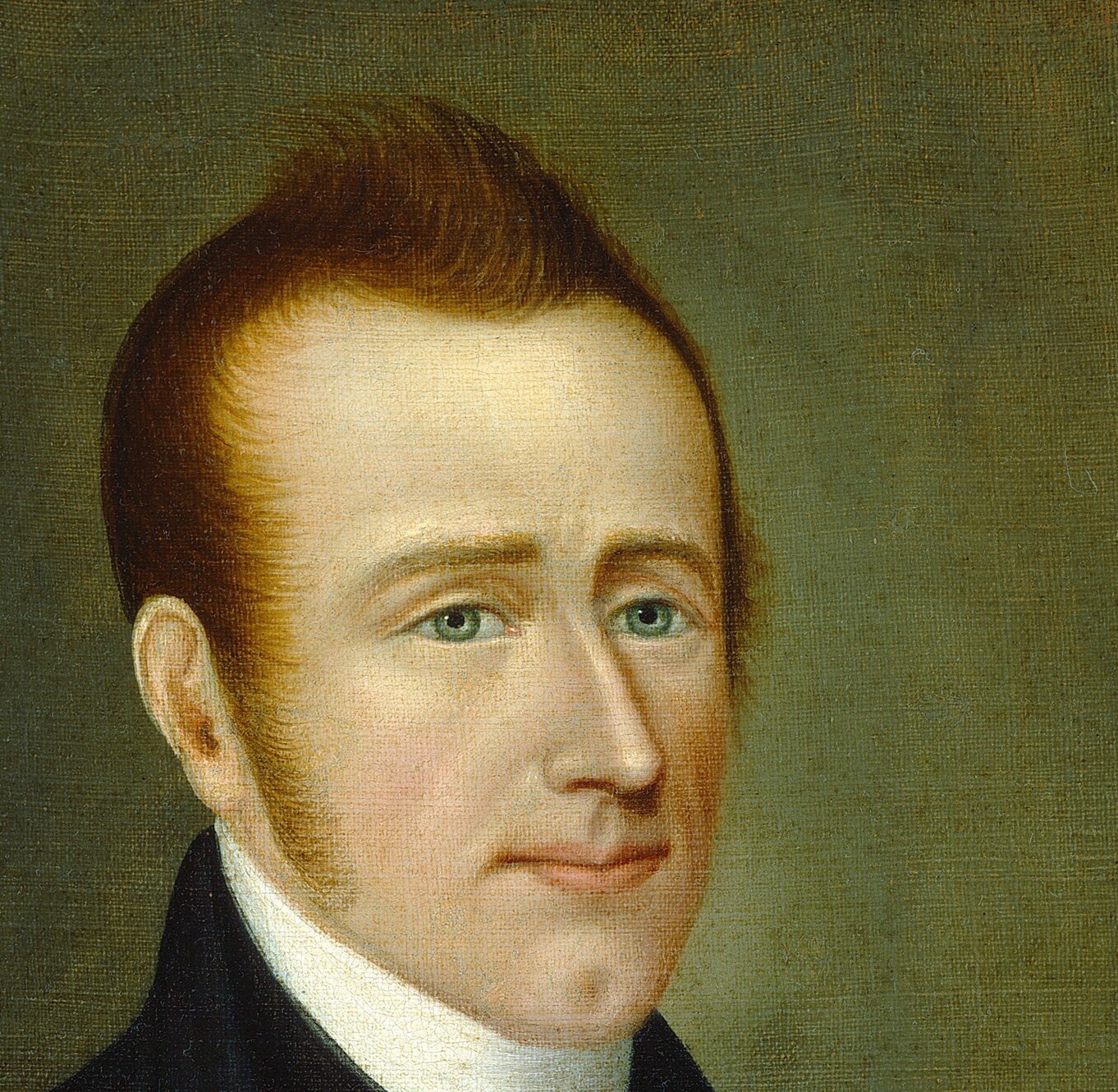
This is "Mr. Baylor," a portrait painted around 1805 by Joshua Johnson, the first Black American to make his living as a professional portraitist. It hangs in the American collection of the National Gallery of Art.
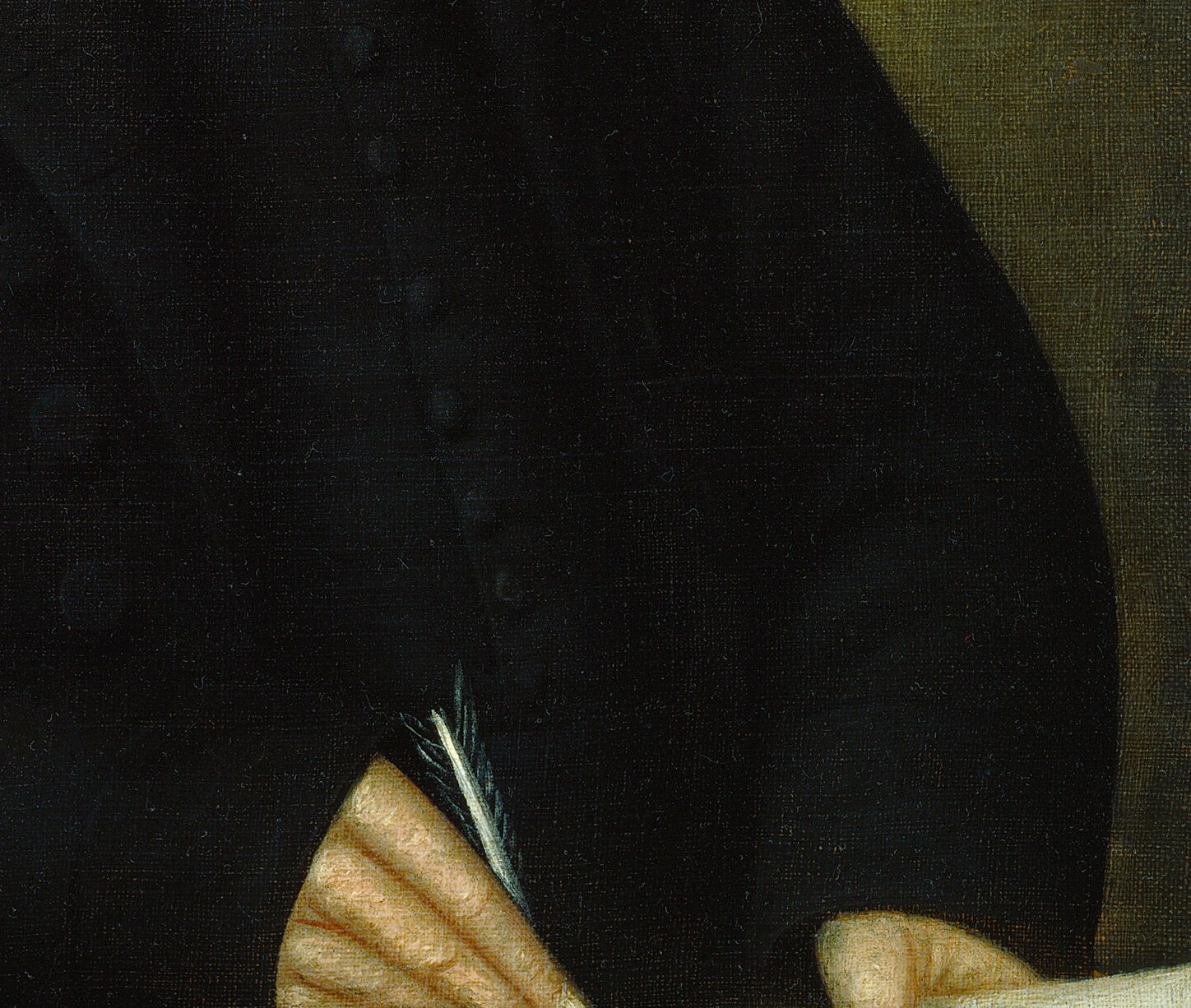
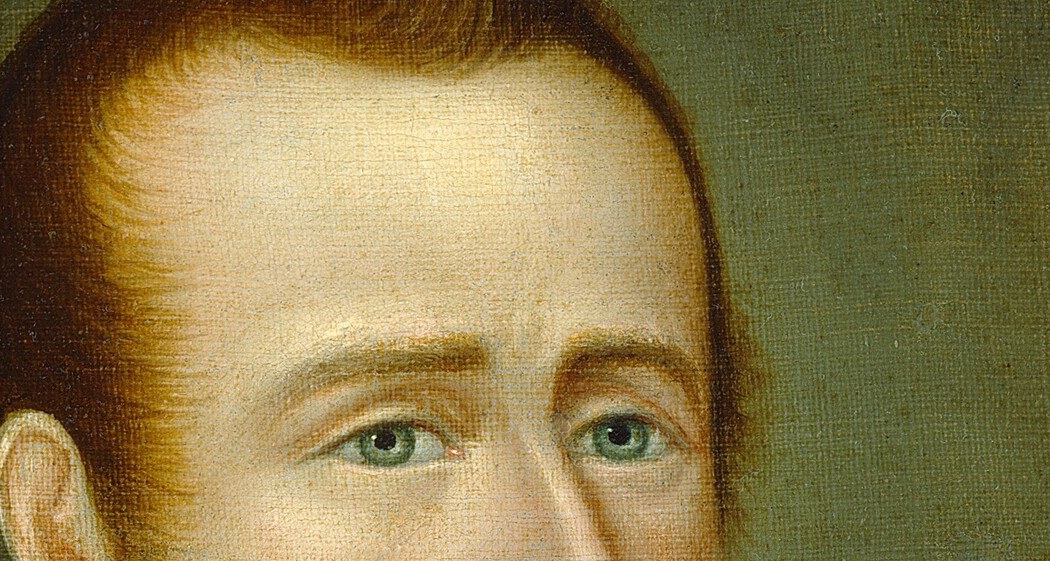
At first glance it is a straightforward likeness of a confident, literate man. The composition gives us everything a sitter of the era wanted: direct eyes, a strong jaw, a quill in hand, an open book. All the props of commerce and standing.
But if you push in on the page beneath the quill tip, something is missing. There is no ink. The book is a blank sheaf of paper. Johnson painted the posture of writing without ever painting a single word.
Johnson himself was a former enslaved person in Baltimore who gained his freedom and built a career painting merchants, sea captains, and their families. He gave his sitters exactly what they paid for: gravity, composure, the outward signs of success. A blank page didn't matter if the pose said literacy. The aspiration was the truth worth recording.
What other props in early American portraits were more about the idea than the reality?
Details

Transcript
Around 1805, a man sits for his portrait. His name is Mr. Baylor. You can see his confidence. He wants you to notice the quill in his hand. A man of letters, his pose declares. But look closely at the page beneath his pen. It's blank. The painter was a freedman, the first Black professional portraitist in America. He painted the aspiration, not just the man.