Portrait of a Young Woman by Girolamo di Benvenuto
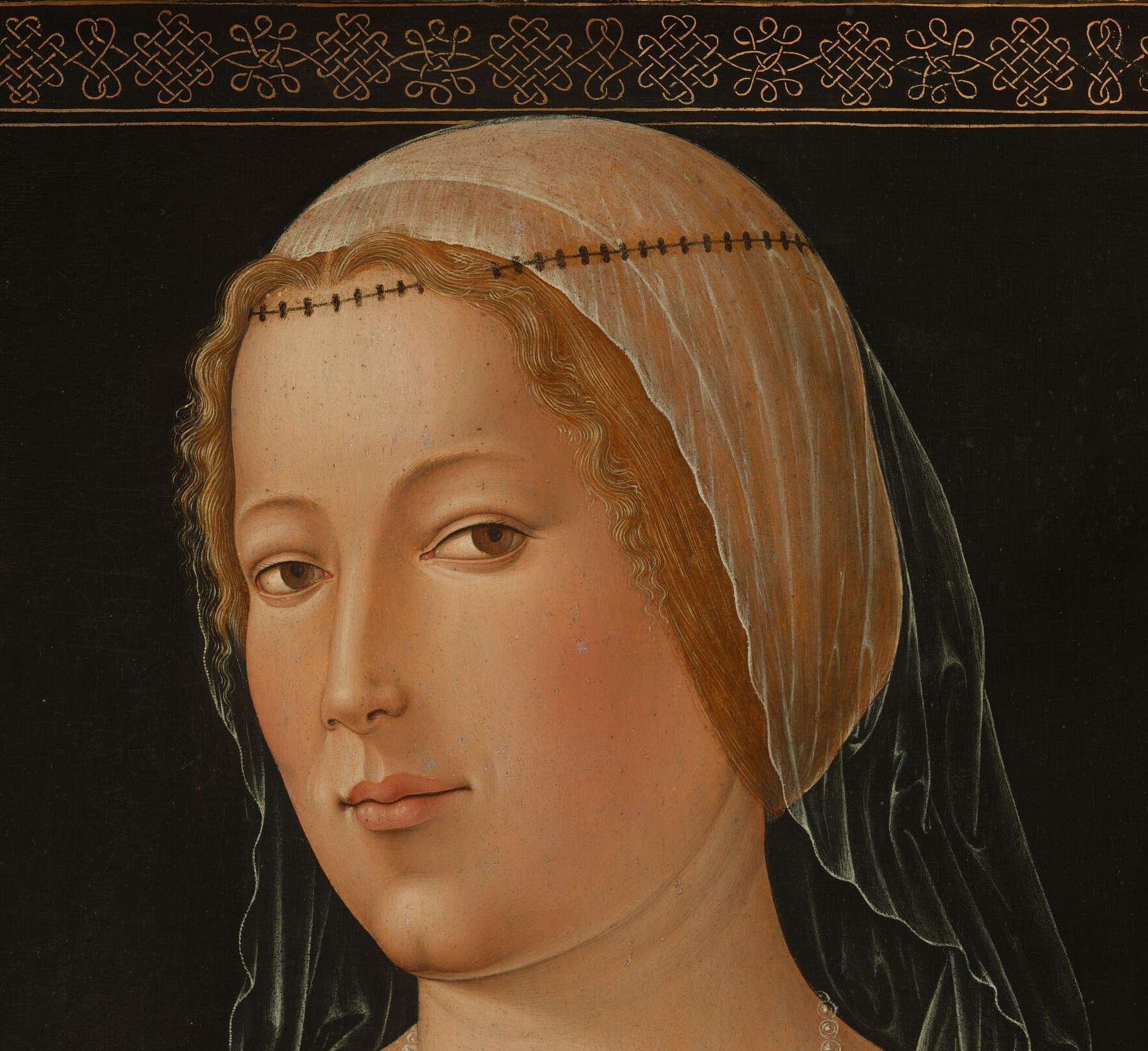
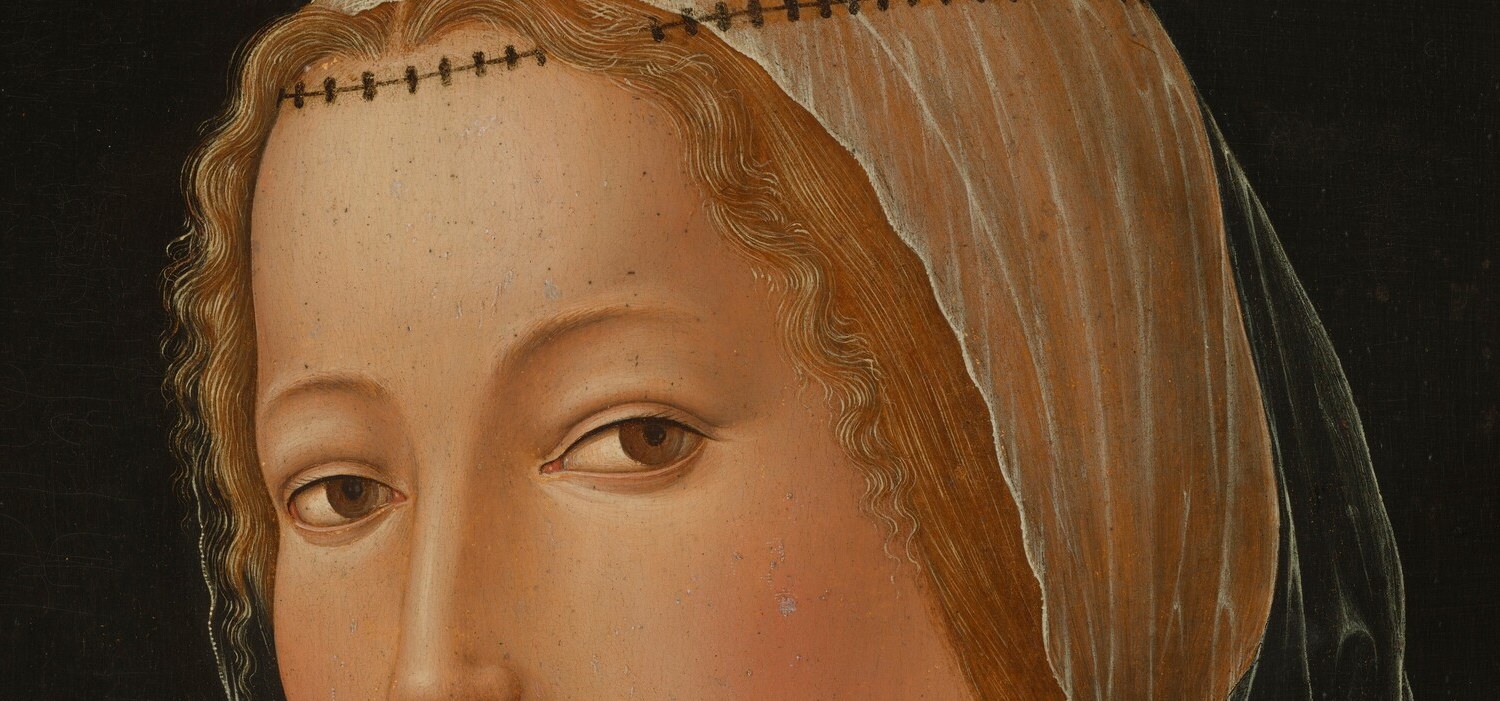
This is Girolamo di Benvenuto's "Portrait of a Young Woman," painted in Siena around 1508. It is an oil on poplar panel, now in the collection of the Museum of Fine Arts, Budapest. For centuries, viewers have focused on her direct, composed gaze and the meticulous rendering of her green brocade and white linen veil. But the painting holds a secret most people scroll past.
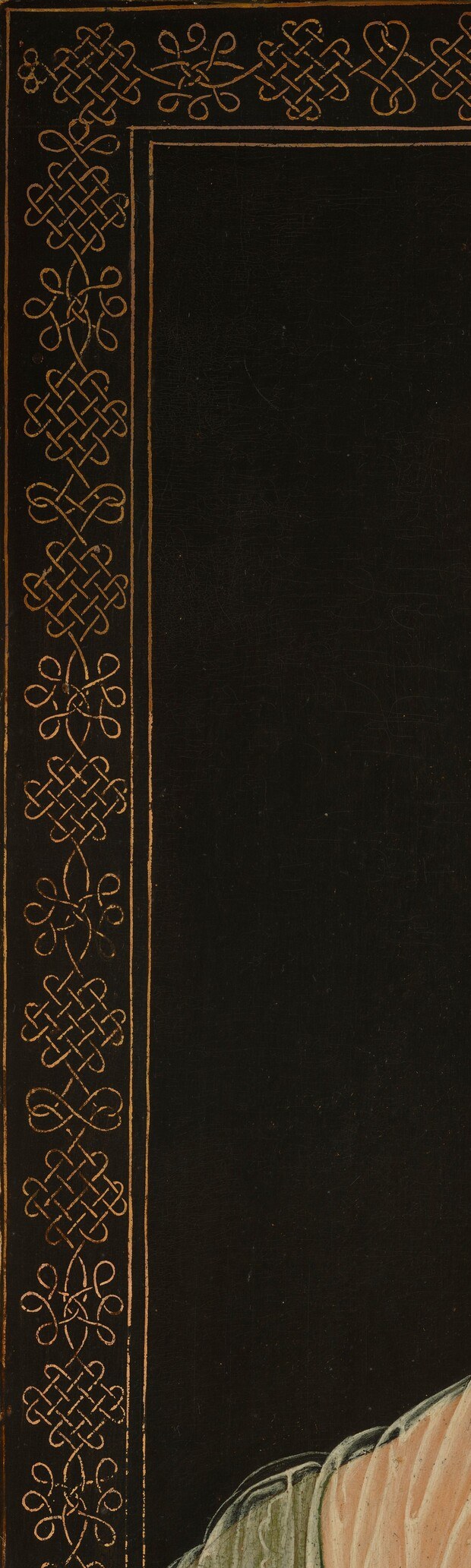
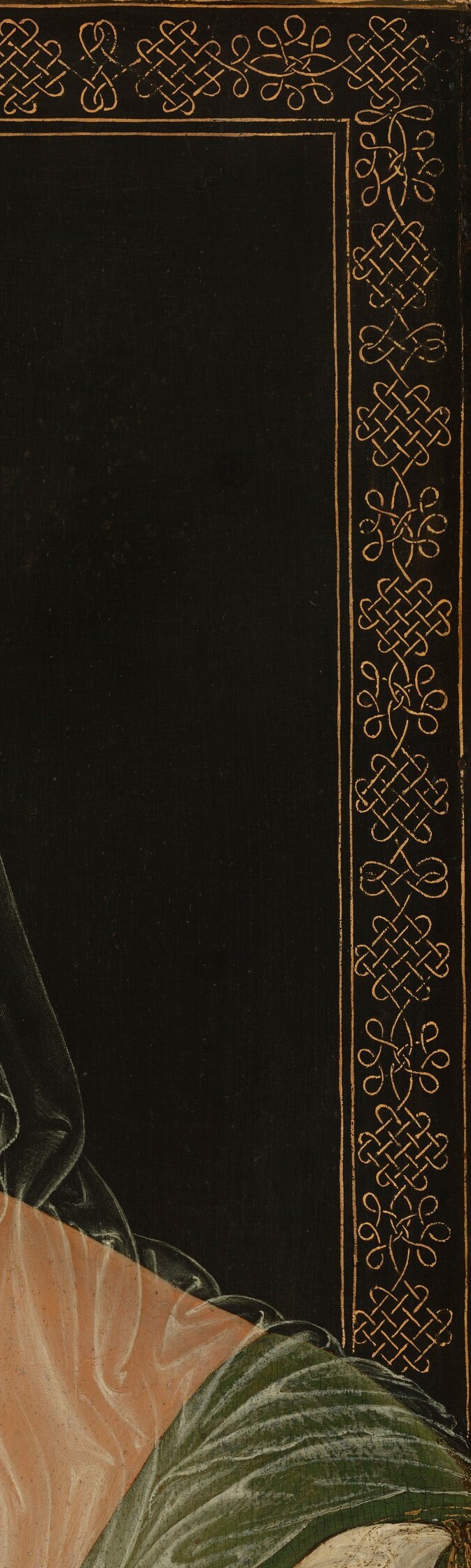
Look closely at the dark background. At the upper left, a faint vertical line and a horizontal ledge emerge from the near-black field. It is a parapet, anchoring her in a real architectural space. At the right edge, the darkness subtly lifts, suggesting a recession, a window, or an open door. The background is not empty. She is standing in a room.
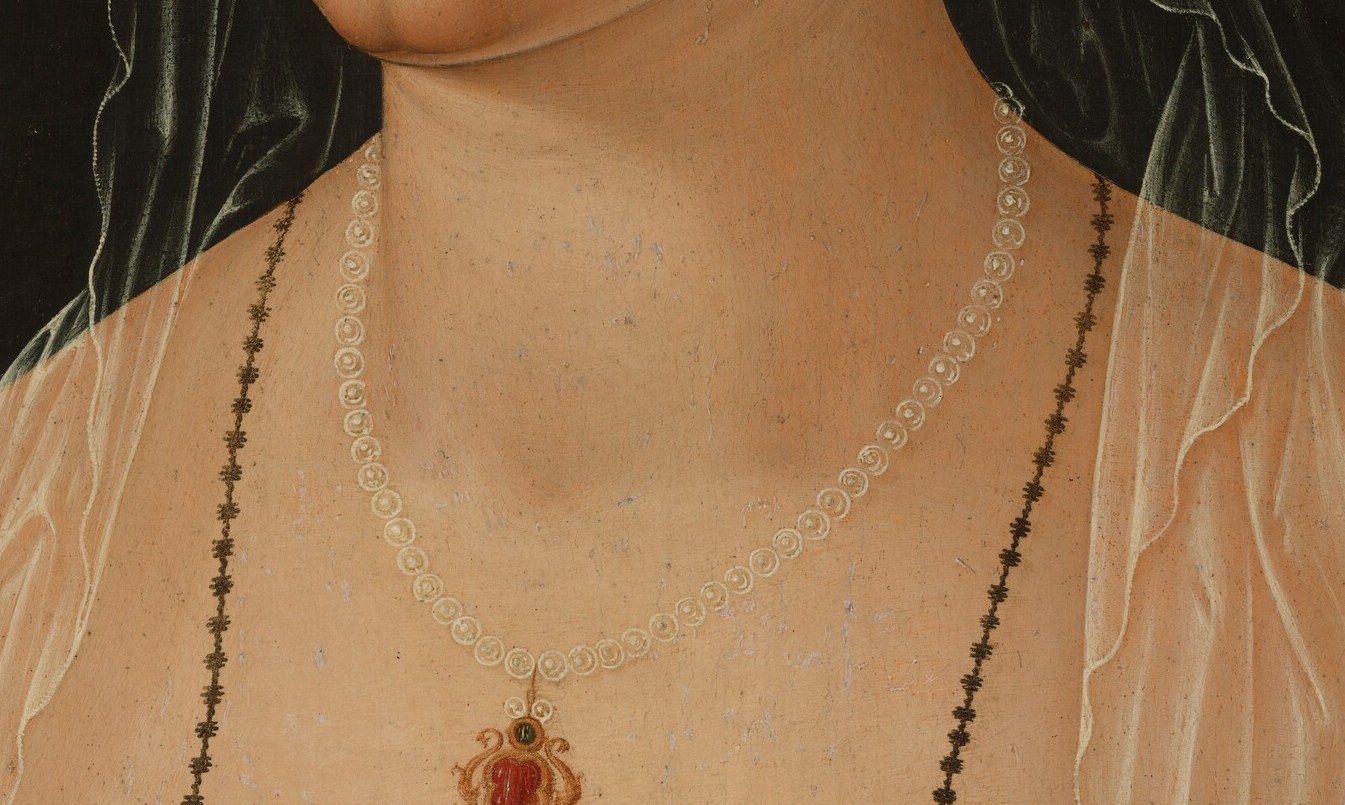
Girolamo di Benvenuto was a Sienese painter working in the early 16th century, the son of the more famous Benvenuto di Giovanni. This portrait is one of his most refined works, using oil glazes to build luminous skin tones and the remarkable translucency of the veil. The sitter's identity is lost, but the care in her depiction, from the ruby pendant to the criss-cross lacing of her bodice, speaks to a personal connection between artist and subject.
Next time a painting's background looks like a simple black void, slow down. There is often a room waiting just beyond the dark.
Details
Transcript
A young woman, composed, meets your eyes. Painted in Siena around 1508, by a man named Girolamo di Benvenuto. The red pendant at her sternum signaled virtue and prosperity. Now look past her, into the darkness at the upper left. A faint vertical line. A horizontal ledge. She is not floating in a void. She stands before a parapet. And at the right edge, the darkness lifts. A window, or an open door. A real woman, in a real room. You just had to slow down.