Alphonso T. Clearwater by August Franzén
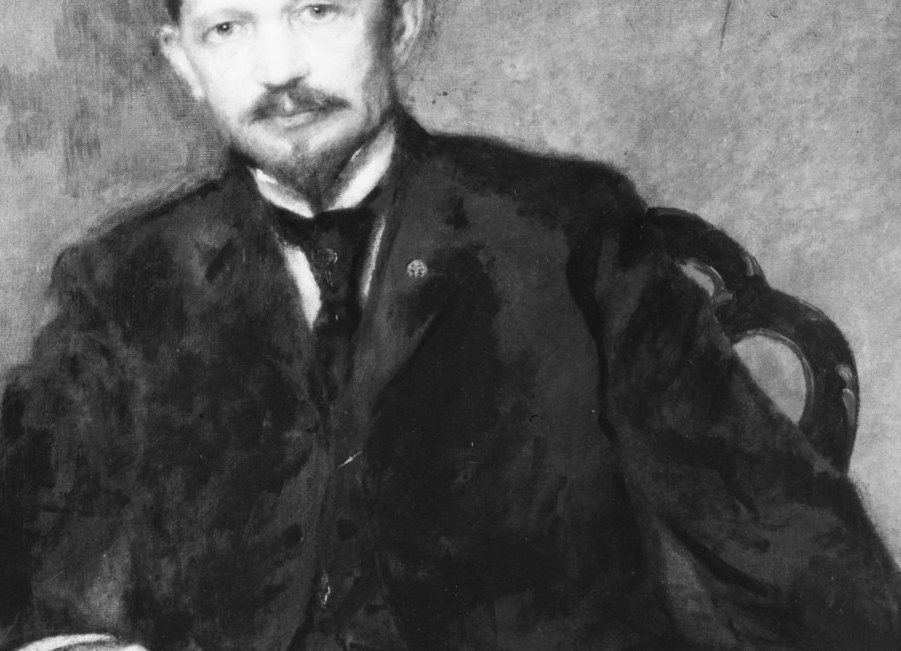
August Franzén's 1900 portrait of Alphonso T. Clearwater, at The Metropolitan Museum of Art, is a masterclass in silent communication. This is not just a painting of a man; it is a carefully constructed set of signals about power and identity at the turn of the American century.
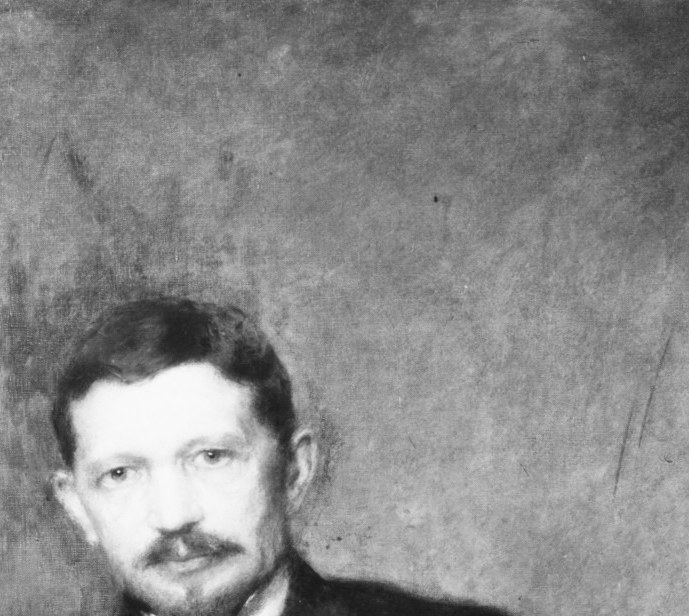
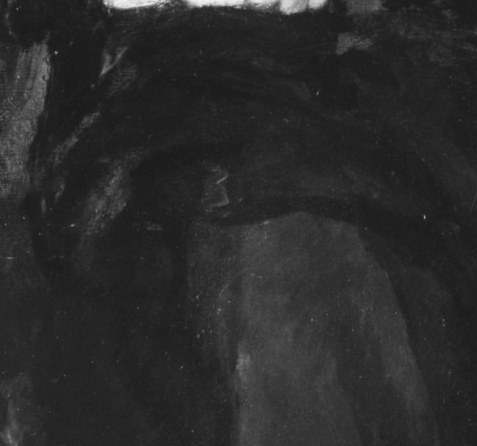
Start with the codes. The dark suit and crisp white collar are the uniform of the Gilded Age professional, but look closer: the perfectly neat mustache was a near-mandatory symbol of social respectability in 1900. The top hat held loosely in his lap is the loudest code of all, a clear announcement that this man does not work with his hands outdoors.
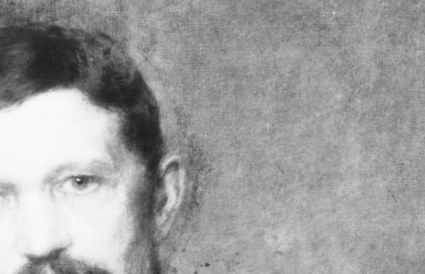
Then you meet his eyes. Franzén uses the direct, unwavering gaze to shift the power dynamic. Clearwater is not performing for us; he is composed, self-contained, and slightly impatient. The loose, almost informal brushwork in the background and jacket keeps the whole thing from feeling stiff, allowing his character to come through.
We think we can read a face, but a portrait like this shows us just how much we used to say without speaking a word.
Details
Transcript
A dark suit means power. That's the easy read. But in 1900, a mustache like this was a uniform. It signaled social trust. A man who belonged. Look at his hands. One rests, one holds. A top hat in the lap is the clearest code of all. It says: I am not a laborer. This man rules indoors. But the real message is in the eyes. He is not posing for you. He is waiting for you to finish.