A Hare and Birds by Jan Fyt
Jan Fyt's *A Hare and Birds*, painted in 1646, is more than just a depiction of game; it's a profound meditation on life and mortality. This oil painting, part of The Metropolitan Museum of Art collection, showcases Fyt's mastery in still life and *animalier* genres.
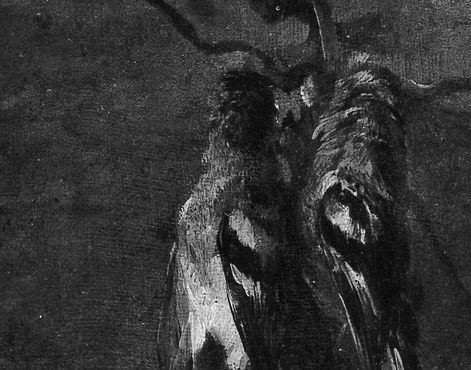
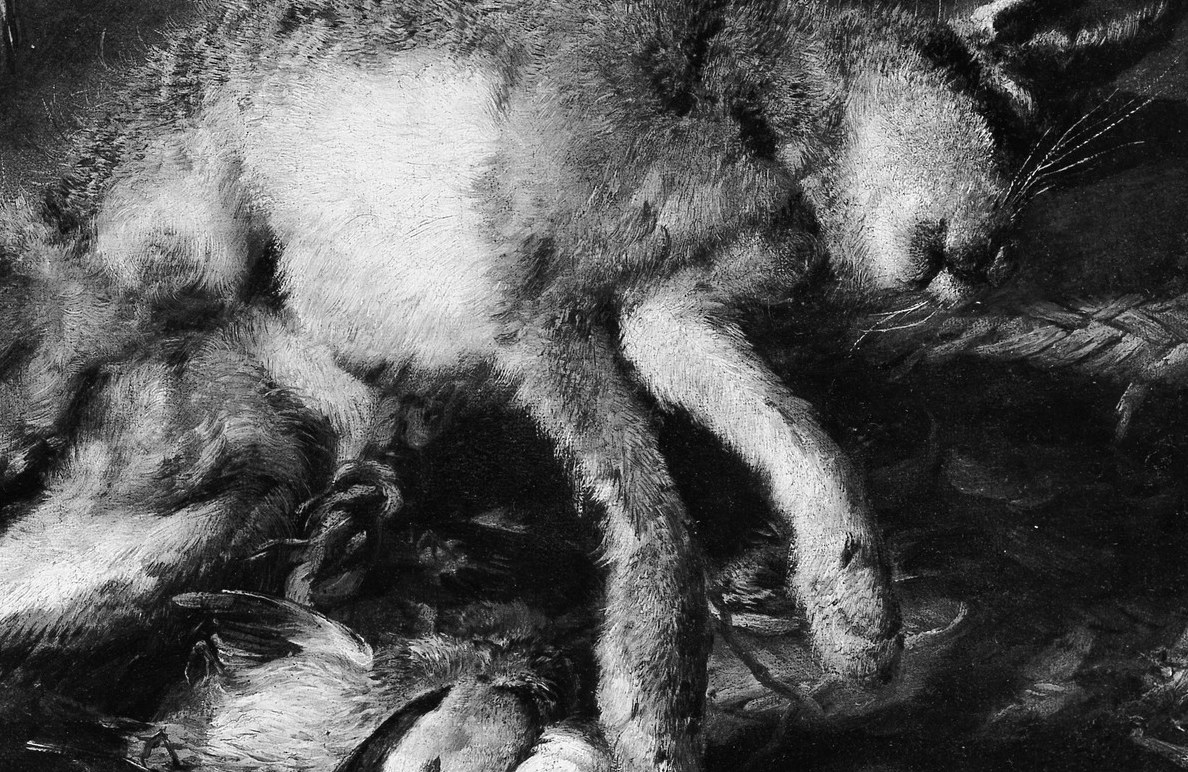
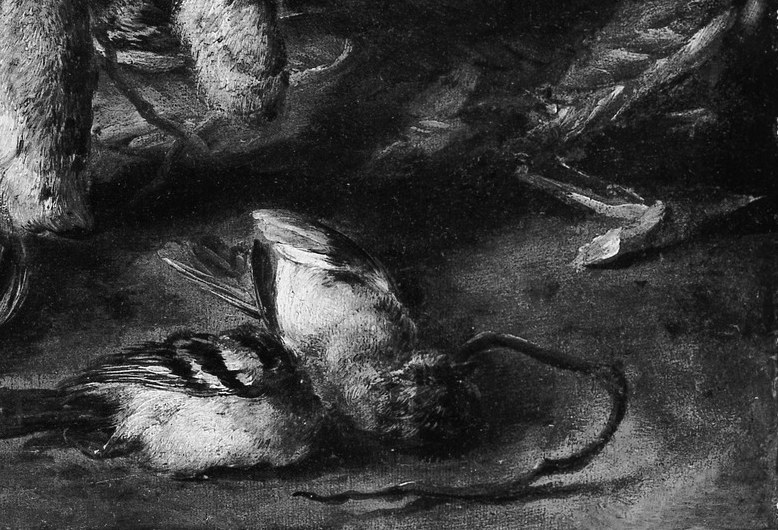
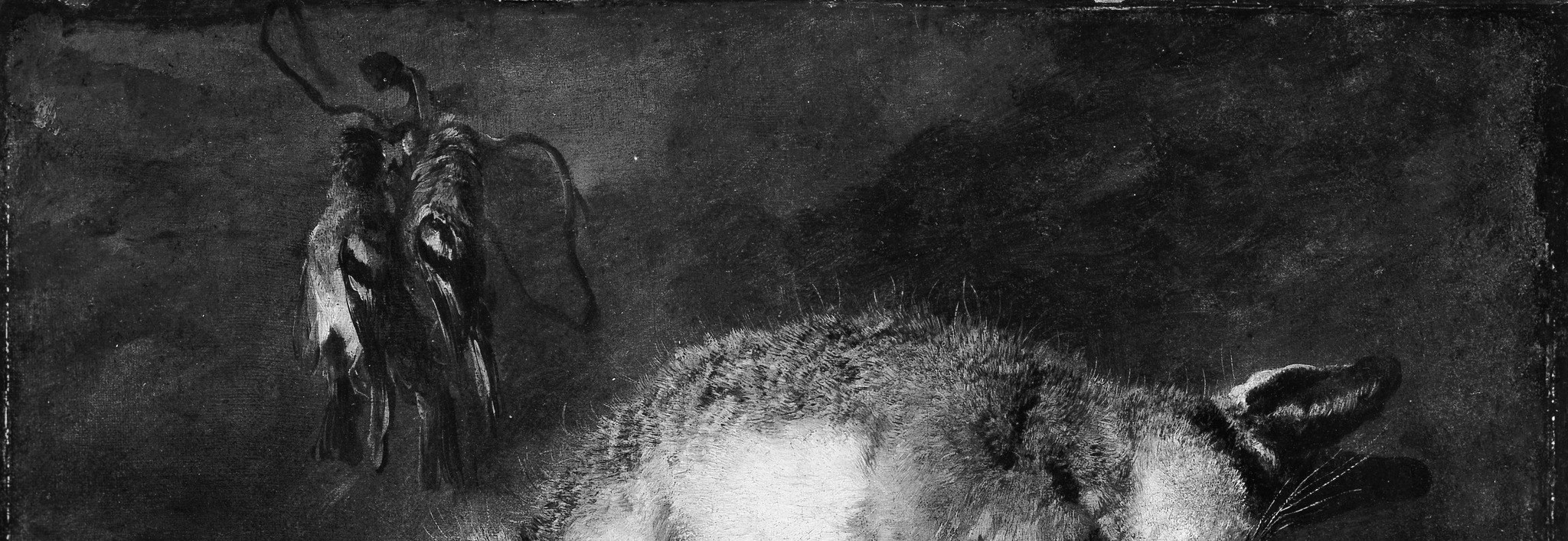
Observe the central dead hare, its prominent placement symbolizing mortality. The surrounding delicate birds, with their meticulously rendered feathers, represent the fragility and ephemeral nature of life. Even the coarse texture of the rope binding the game adds to this underlying theme of life's abrupt end.
Fyt was a leading Flemish Baroque painter, celebrated for his detailed animal and hunting scenes. His compositions, like this one, often invite quiet reflection on the inherent beauty and delicate transience of existence.
What other subtle symbols do you notice in this powerful work?
Details
Transcript
This 17th-century painting by Jan Fyt looks like a hunting trophy. But its true meaning lies in its careful composition. A dead hare, displayed so prominently, signifies mortality. The delicate birds, with their soft feathers, represent the fragility of life. Even the rough rope hints at the sudden end of the hunt. Every element here is a quiet reflection on life's transient nature.