Friedrich Wilhelm (1620-88), Elector of Brandenburg, and his wife Louise Henriette (1627-67), Countess of Orange-Nassau by Gerard van Honthorst
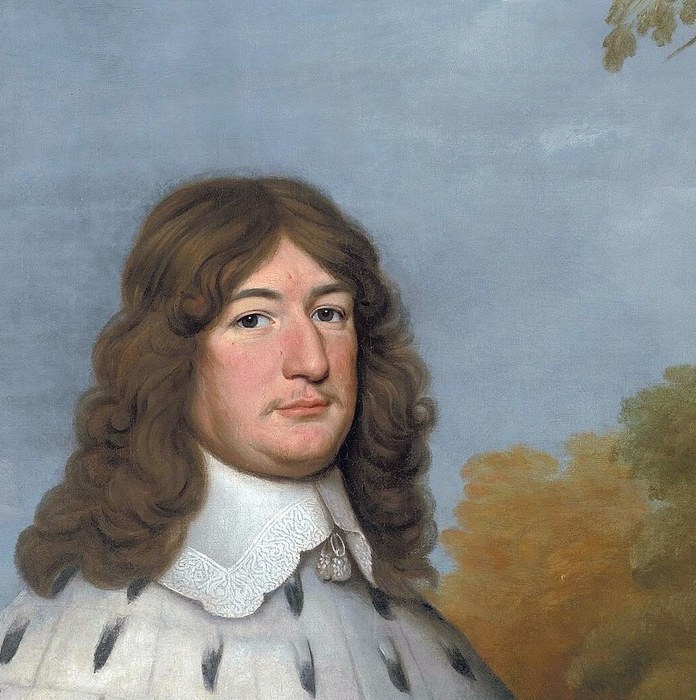
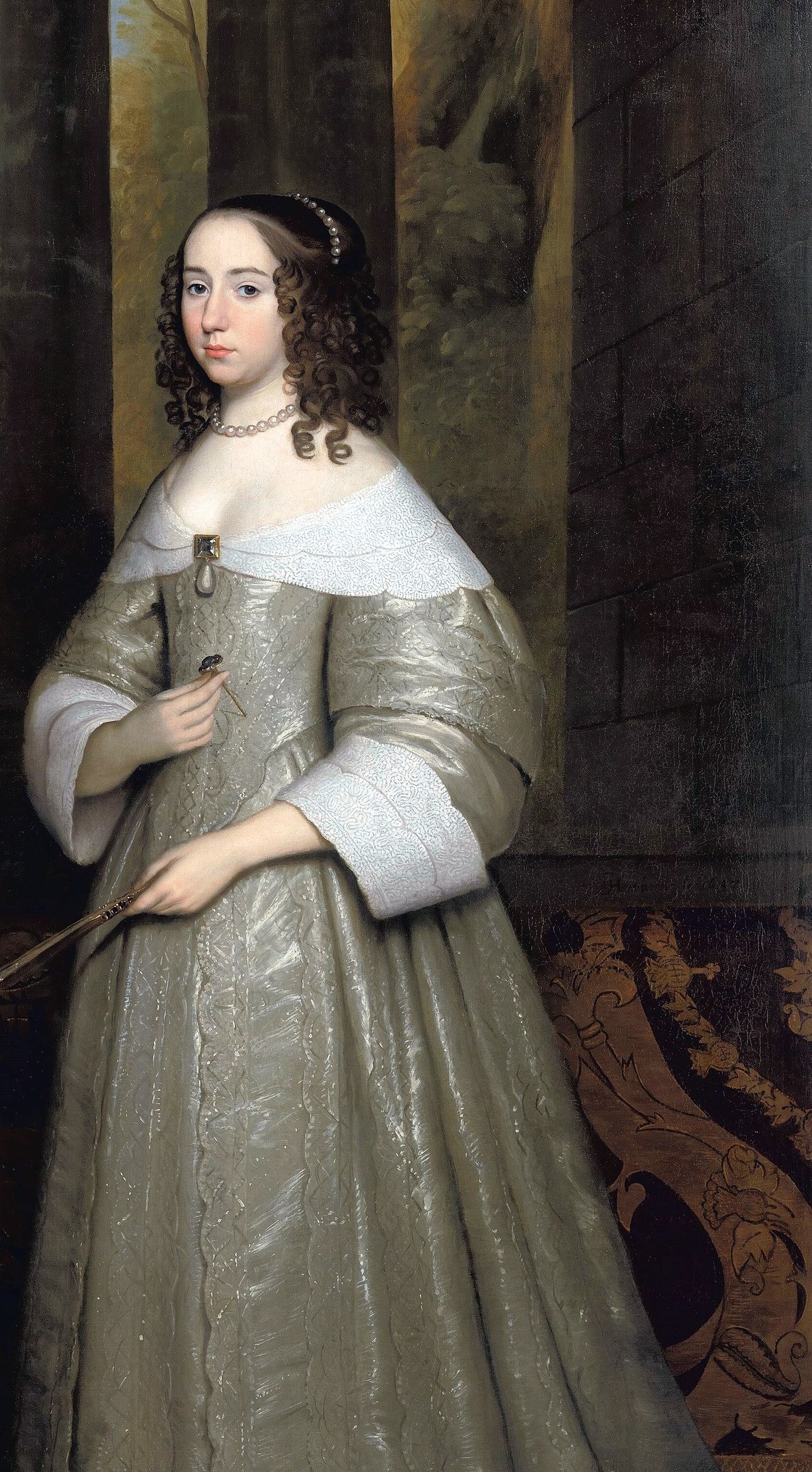
Gerard van Honthorst, known as 'Gerard of the Nights', painted this stunning portrait of Friedrich Wilhelm and Louise Henriette in 1647. Held by the Rijksmuseum, it showcases his mastery of chiaroscuro, a technique he honed while studying in Rome under the influence of Caravaggio.
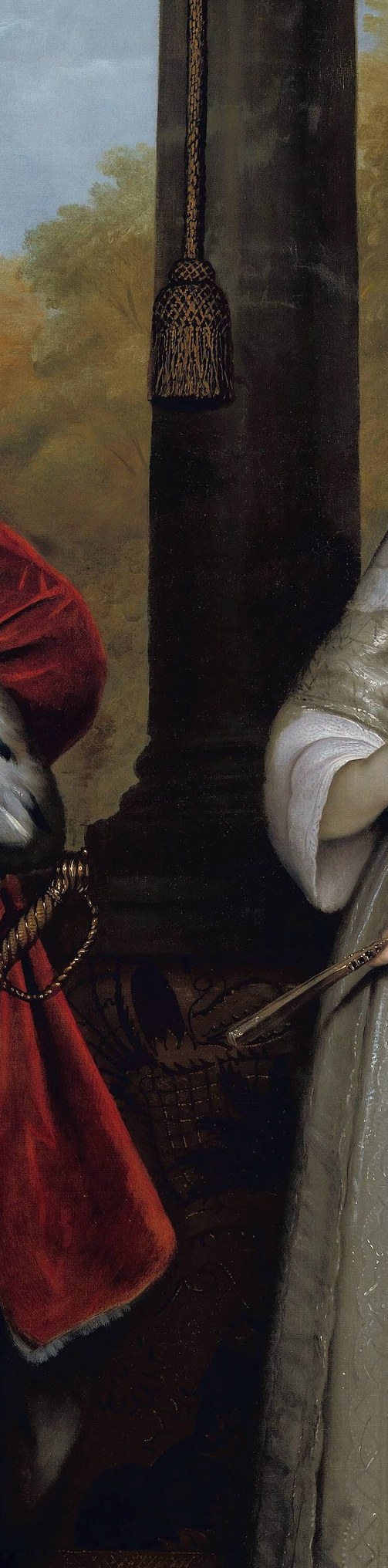
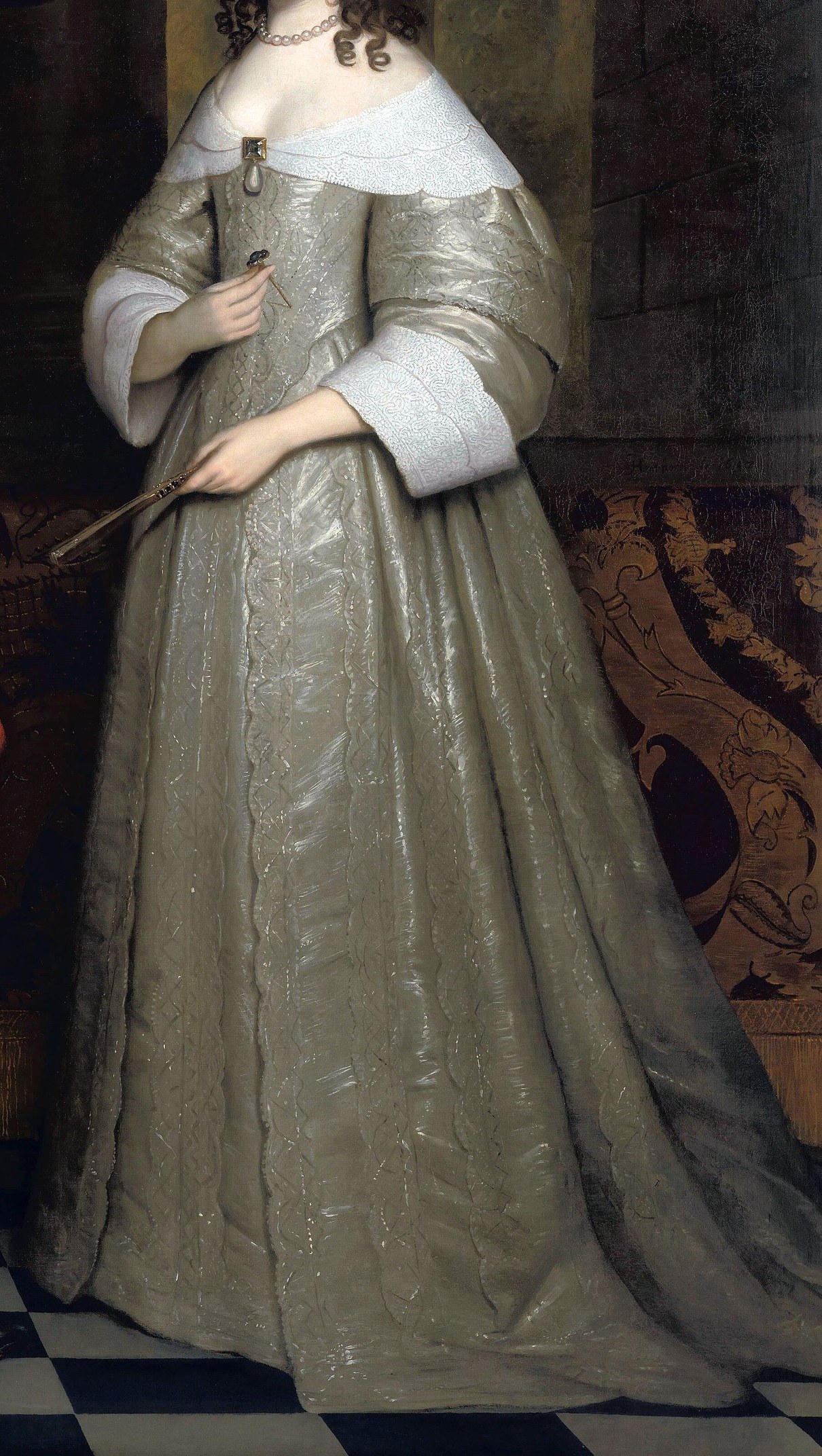
Look closely at how Honthorst uses light and shadow to create dramatic depth. The Elector's figure is sharply defined against the deep shadows, while Louise Henriette's brocade dress seems to glow, a testament to his virtuoso brushwork on textures. The background tapestry, though intricate, appears to recede convincingly, making the figures pop forward.
This painting was created shortly after the couple's marriage, serving as a visual affirmation of their alliance and status. Honthorst, a leading portrait painter of the Dutch Golden Age, skillfully integrated allegorical elements like the cherubs to underscore their dynastic aspirations.
How does the interplay of light and dark transform your perception of this opulent scene?
Details
Transcript
This painter was nicknamed 'Gerard of the Nights'. He trained in Rome, learning dramatic light from Caravaggio. Notice how the shadow defines the space around the Elector. His wife's brocade dress seems to gleam from within. But the real trick is the depth behind them. The tapestry feels impossibly far away, yet clear.