Waterfowl by Gijsbert d'Hondecoeter
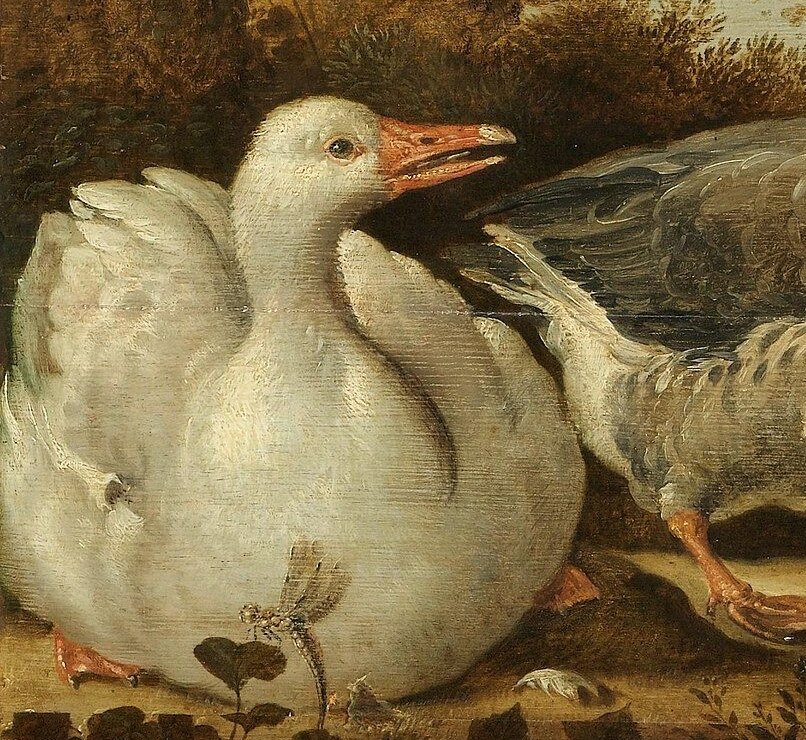
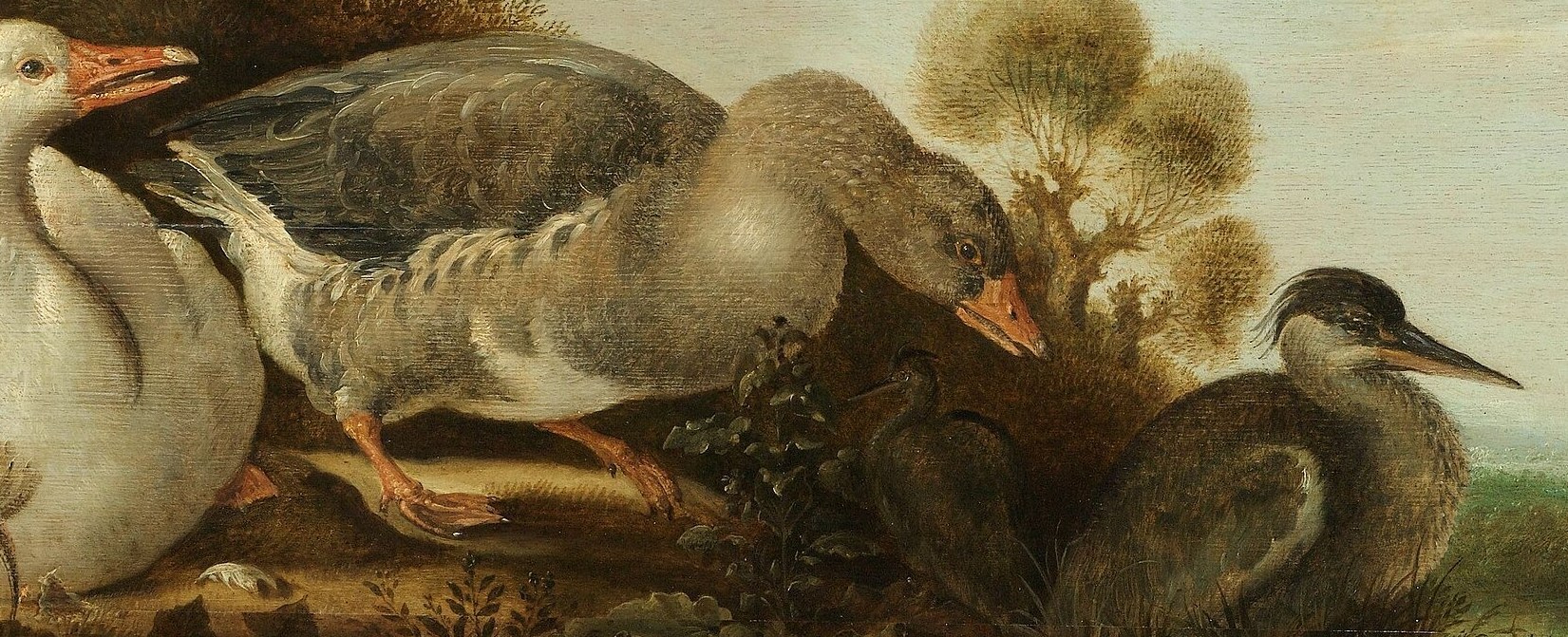
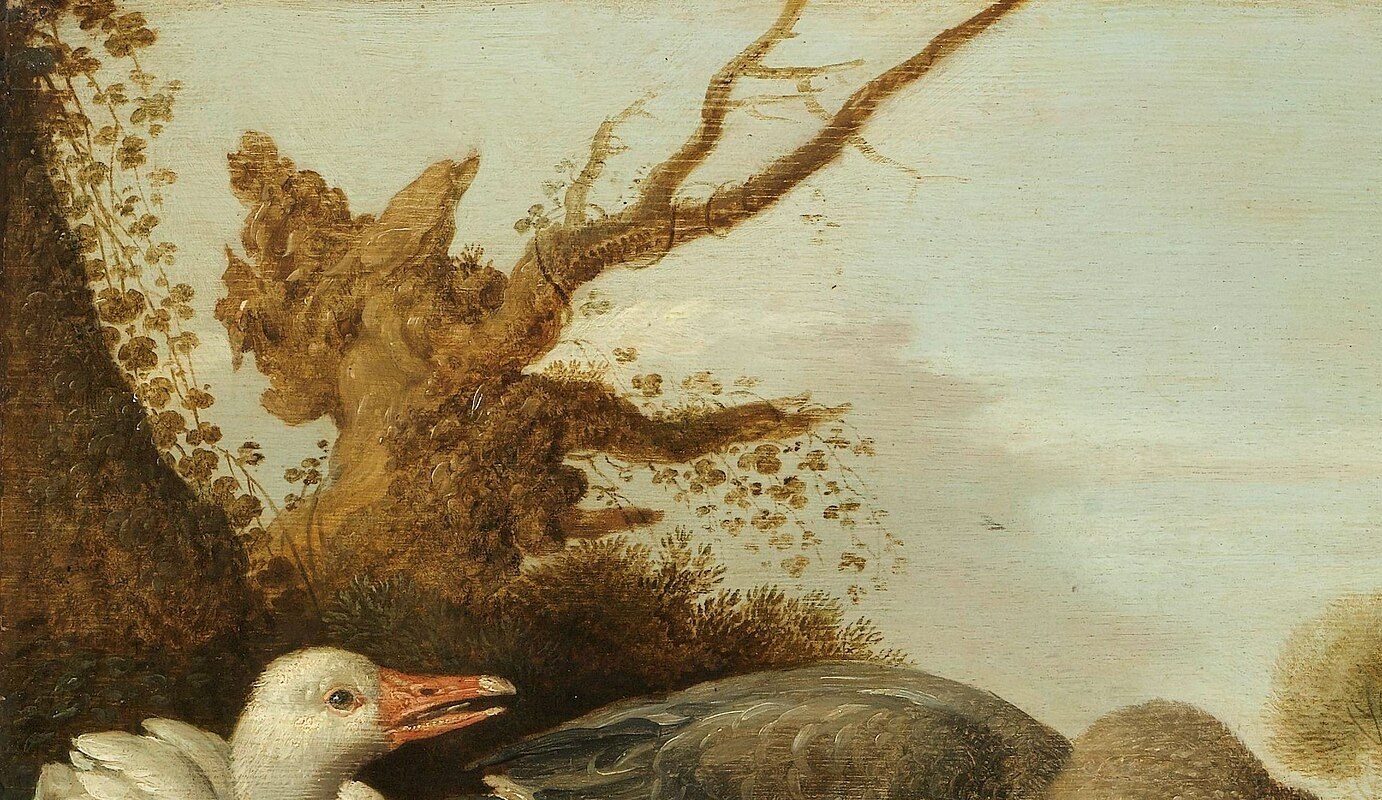
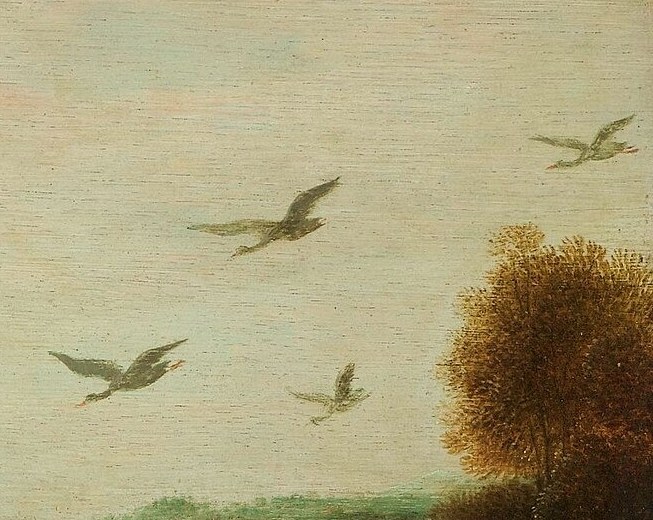
Gijsbert d'Hondecoeter's "Waterfowl," painted in 1652, offers a serene look at nature during the Dutch Golden Age. This oil painting, part of the Rijksmuseum's collection, showcases the artist's remarkable skill in depicting avian subjects with meticulous detail.
Look closely at the individual birds, from the prominent white goose in the foreground to the smaller ducks foraging near the rocky bank. D'Hondecoeter's precise brushwork captures the texture of feathers and the play of light, creating a vivid and naturalistic scene. The crumbling tower in the distance adds a touch of history to this tranquil landscape.
D'Hondecoeter, a member of Utrecht’s Guild of St. Luke, specialized in painting barnyard fowl. This work was completed shortly before his death in 1653. His artistic legacy continued through his son, Melchior d'Hondecoeter, who went on to become an even more renowned painter of birds under the guidance of his uncle, Jan Baptist Weenix.
The painting is a testament to the Dutch Golden Age's appreciation for detailed observation of the natural world. What details do you find most captivating in this quiet scene?
Details
Transcript
Gijsbert d'Hondecoeter painted this quiet Dutch scene in 1652. This painter was famous for his detailed images of birds. He was a member of the Utrecht painters' guild. Notice how he captured every feather, even on this distant duck. This painting was completed just before the artist died in 1653. His son, Melchior, later became an even more famous bird painter.