Studies of a Dead Bird by John Singer Sargent
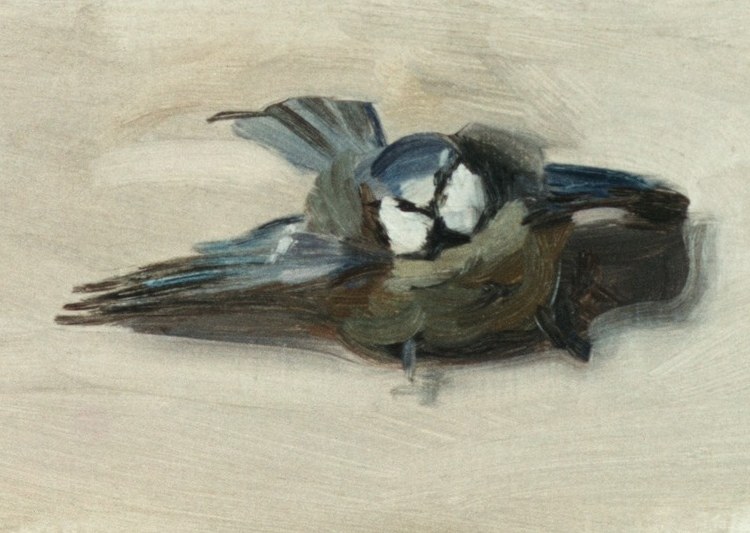
This is John Singer Sargent's "Studies of a Dead Bird," oil on canvas, circa 1890. Sargent, renowned for his society portraits, also explored still life with masterful technique. Here, two deceased birds are rendered with incredible realism.
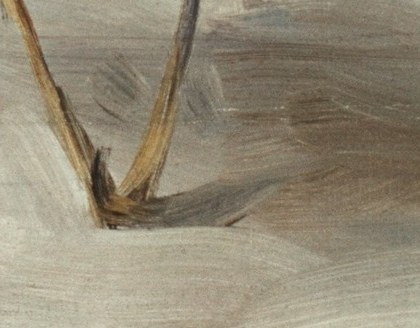
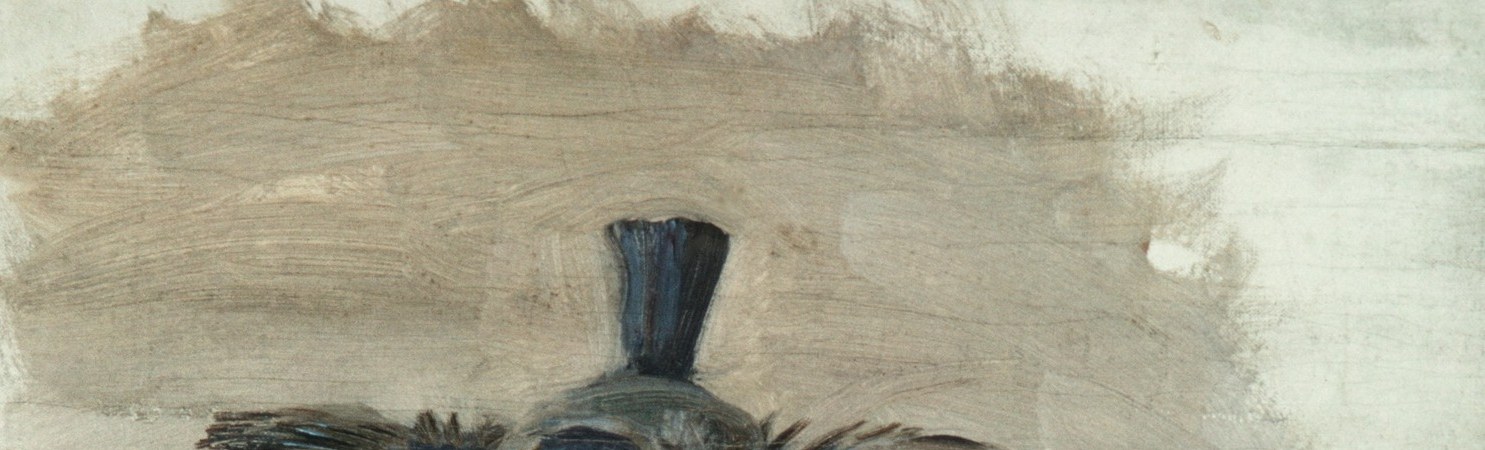
Observe the striking contrast between light and shadow, especially on the upper bird's chest, which lends it a three-dimensional quality. The artist's detailed rendering of feathers, from the spread wing of the lower bird to the almost skeletal legs of the upper, showcases his keen eye and precise brushwork. The background, with its looser, more atmospheric strokes, sets the birds apart, emphasizing them as the sole focus.
Though celebrated as a leading portraitist of his era, Sargent used this still life as an exercise in observation and form. The subject of dead animals allowed him to study texture and light without the complexities of a living sitter, revealing another dimension of his versatile artistic practice.
This work demonstrates that even the most celebrated artists engage in dedicated study, pushing their skills across different subjects.
Details
Transcript
These are not common garden birds. Look at the dark shadow beneath the upper bird. Sargent used light and shadow for volume. He captures feather texture and fragility. The artist was a master of portraiture. But he studied dead birds for form. Loose background strokes show his painterly skill.