Madonna of Humility by Fra Angelico
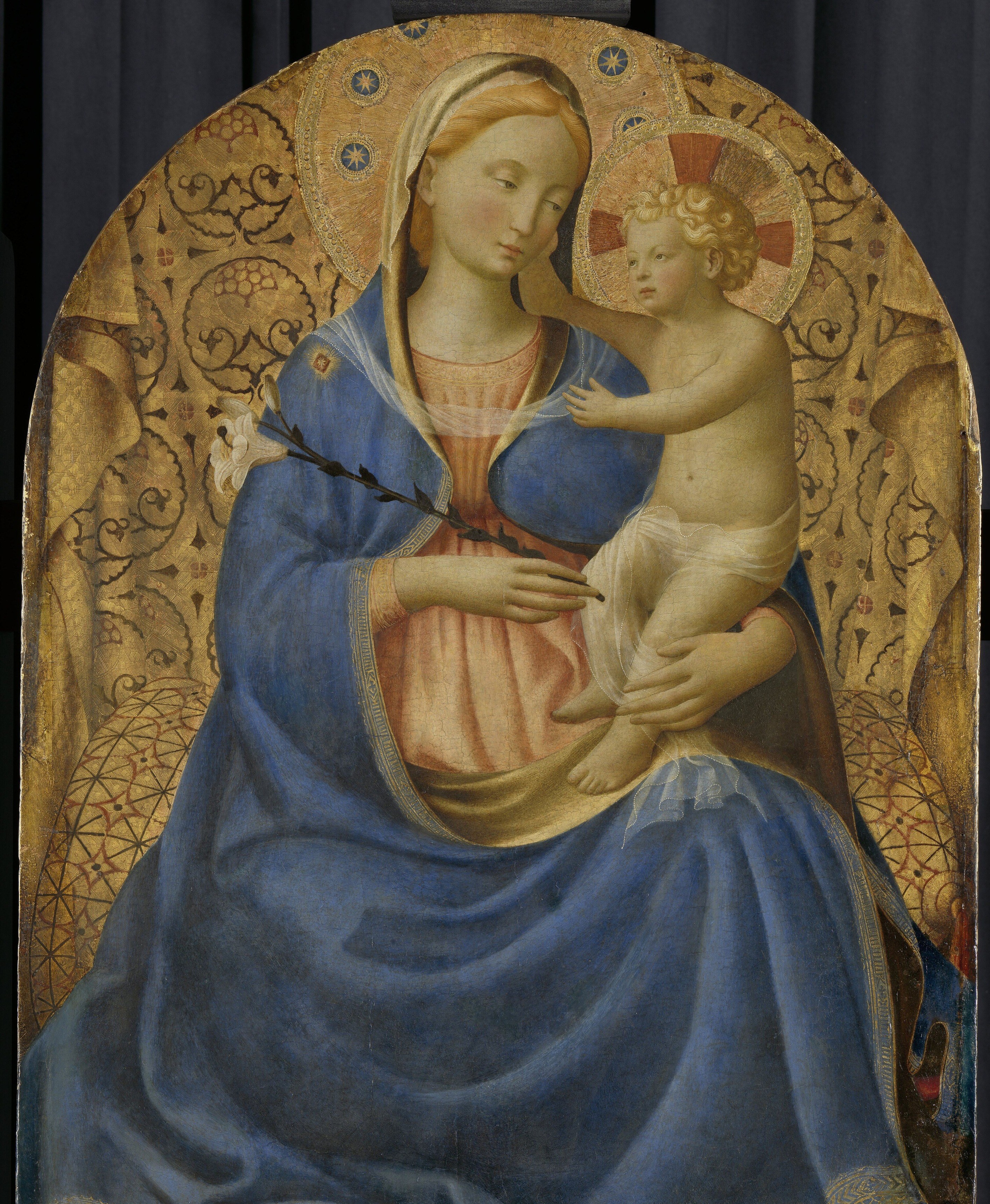
Fra Angelico's Madonna of Humility (c. 1440, Rijksmuseum) is small enough to hold in your hands, yet it contains an entire theological universe in tempera and gold.
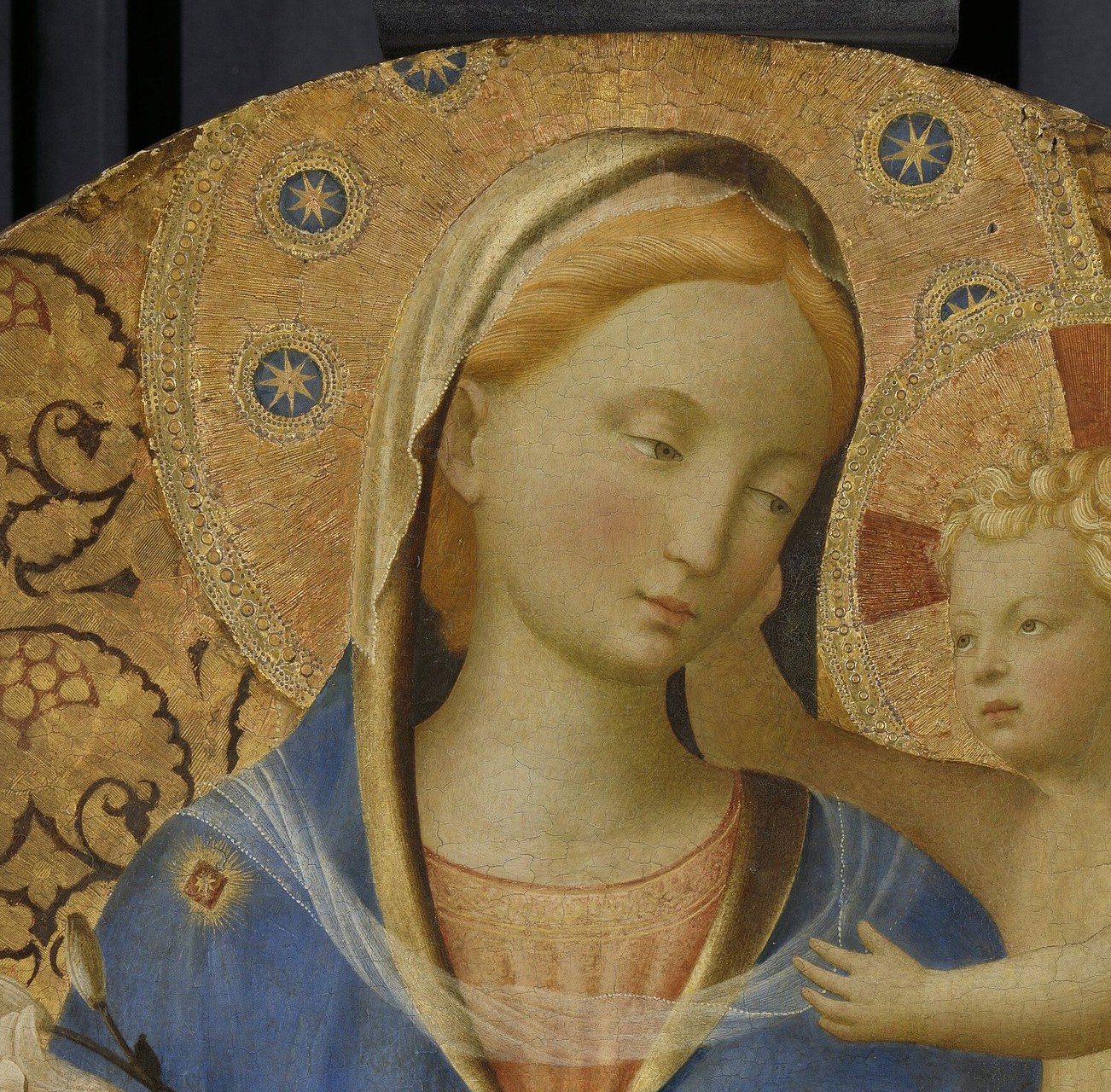
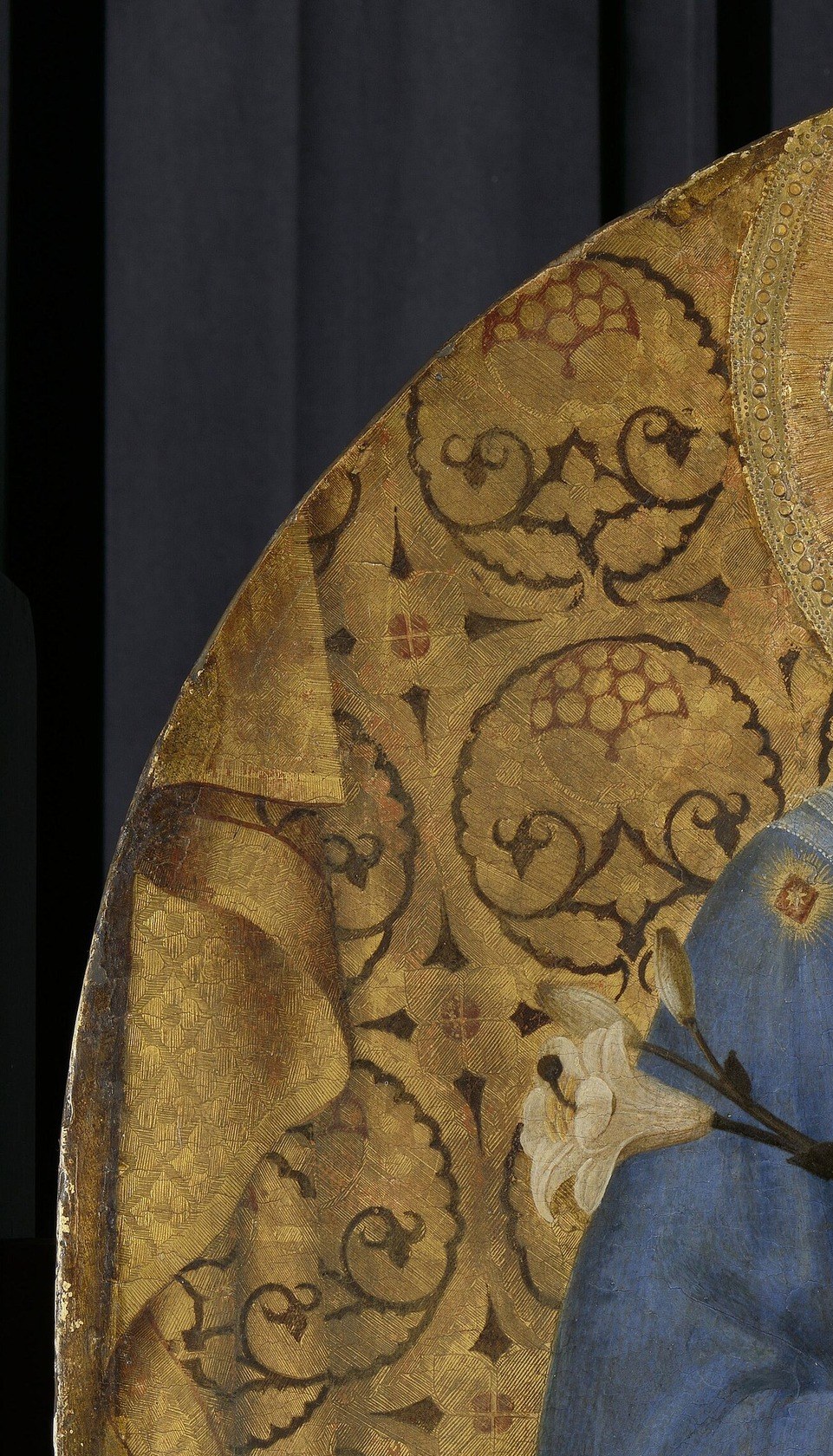
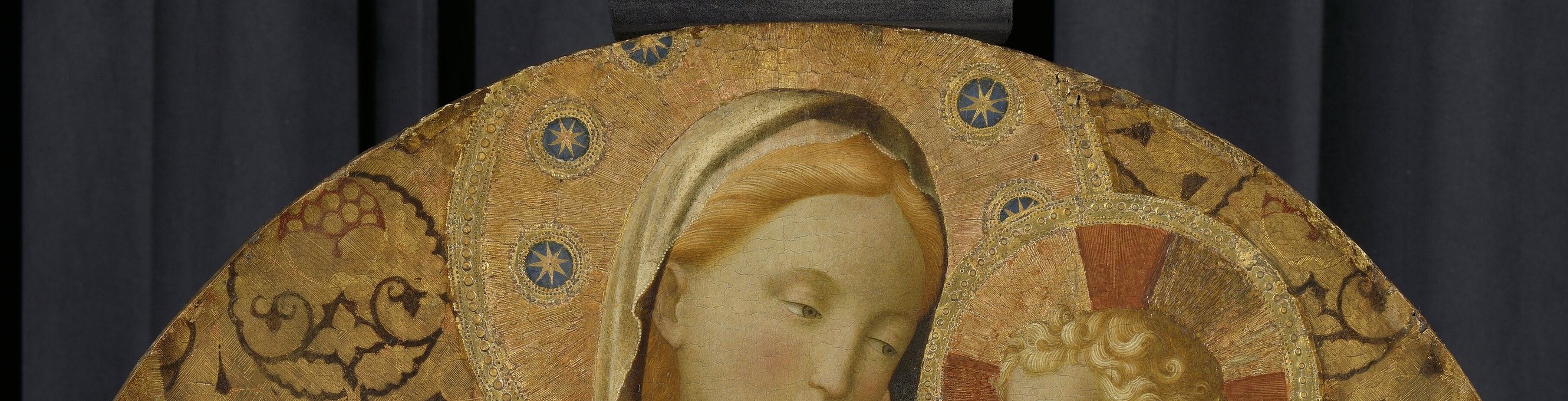
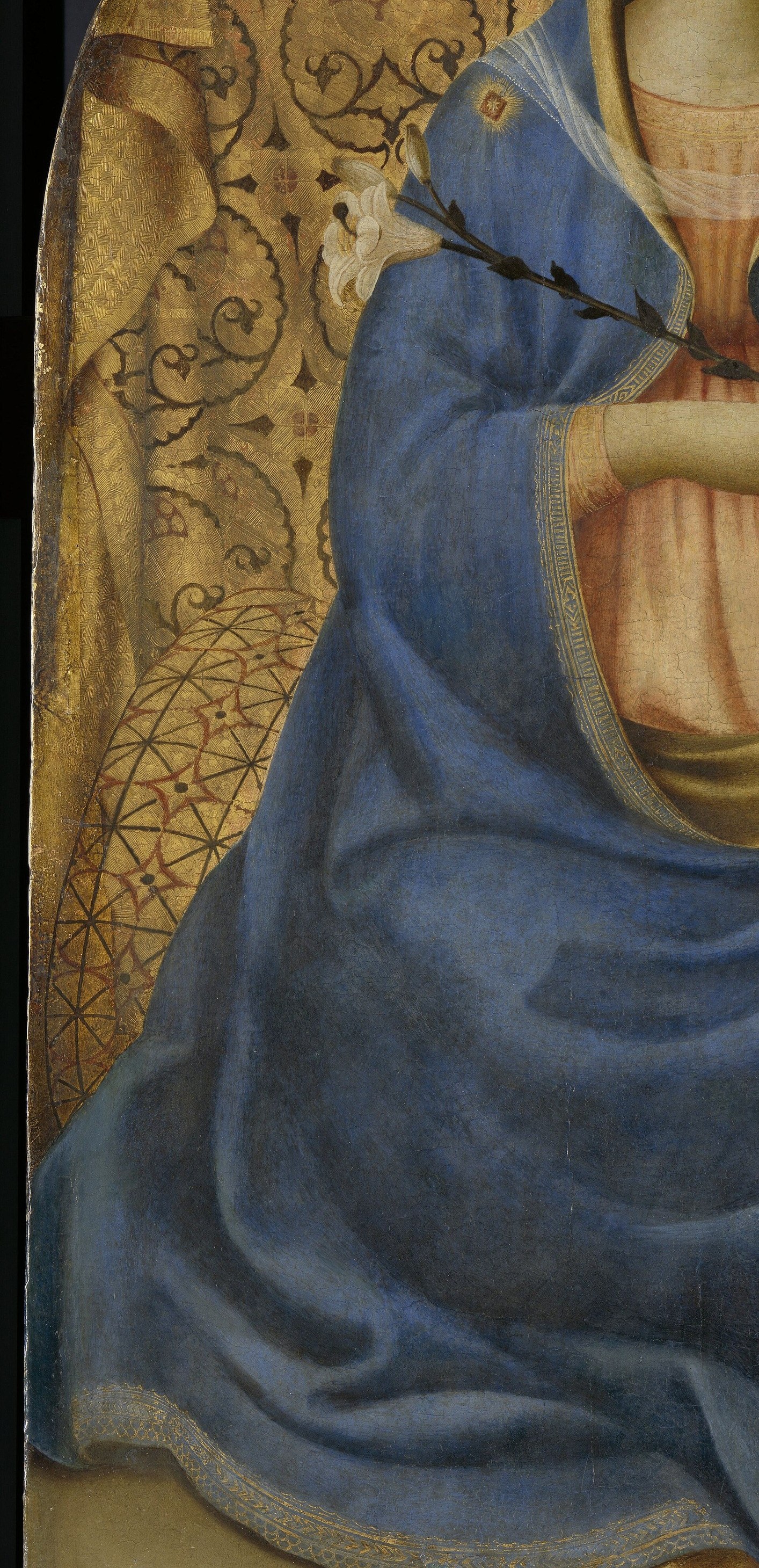
Look at the golden arch. It isn't a flat backdrop. Under close inspection, the surface reveals intricately tooled punch marks, tiny repeated impressions that catch and scatter light differently depending on where you stand. Along the arch's edge, small blue inlays transform the golden border into something celestial rather than merely architectural.
Fra Angelico was a Dominican friar before he was a painter. He lived in the convent of San Marco in Florence, where he painted frescoes for his fellow monks' cells. He worked exclusively on religious subjects and reportedly prayed before beginning each piece. The title comes from a single compositional decision: Mary sits on the ground, not a throne. In 15th-century theology, that posture was the definitive sign of humility.
A monk in a quiet cell, laying gold leaf and punching it one mark at a time, the patience in this panel is itself a kind of devotion.
Details
Transcript
She sits on the ground, not a throne. That choice names the whole painting. A golden arch frames her, lifting earth toward heaven. Now look closer at that gold. The surface is tooled with tiny repeated punch marks. Light hits each mark differently as you move. And along the arch edge: tiny blue inlays. A 15th-century Dominican friar did this, egg by egg, mark by mark.