Charles Carroll of Carrollton by Harding, Chester
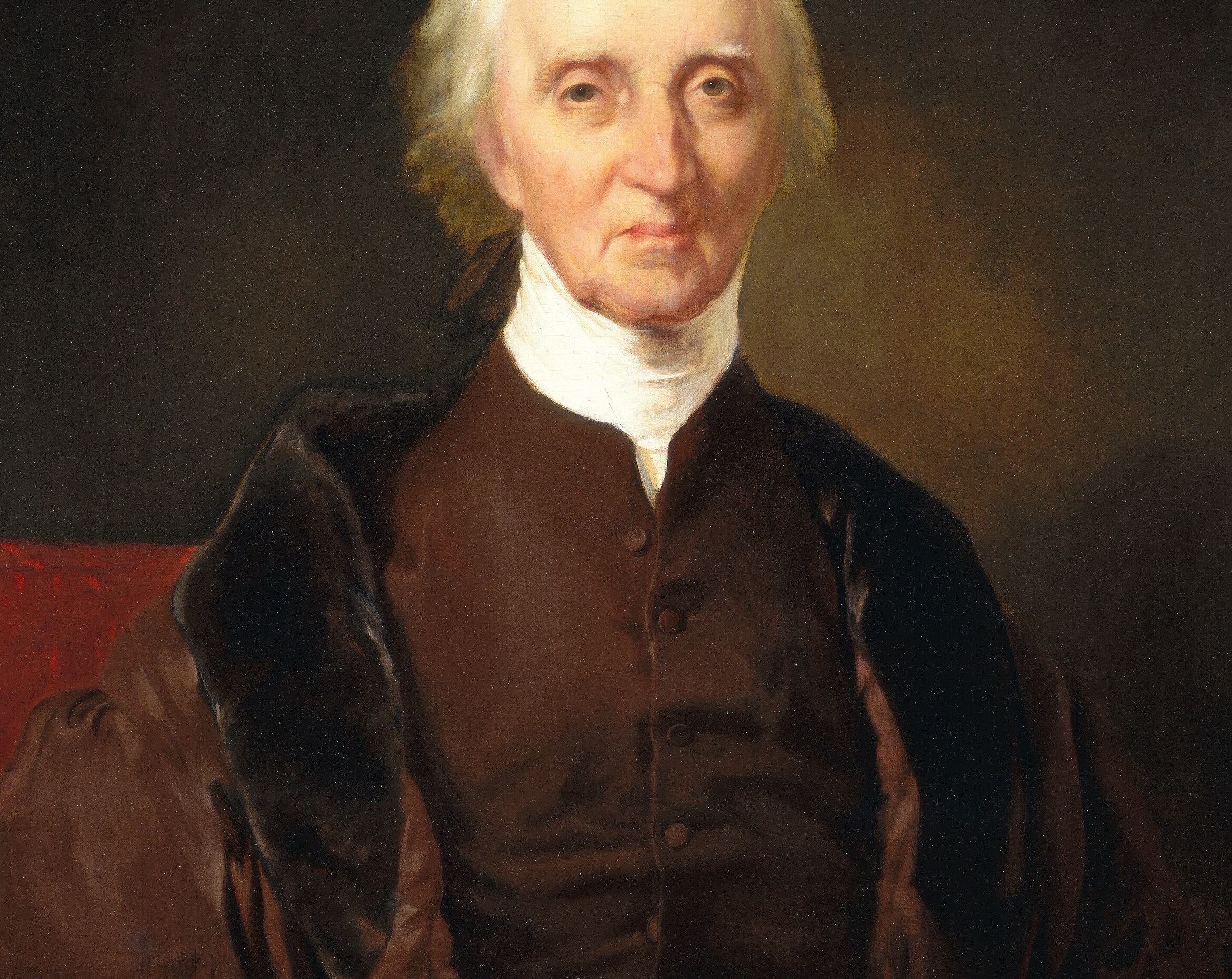
Charles Carroll of Carrollton, painted by Chester Harding around 1828, is the portrait of the last man. When Carroll sat for this painting in his nineties, every other signer of the Declaration of Independence was dead. The portrait hangs in that knowledge, it is a visual record of the exact moment the founding generation became memory.
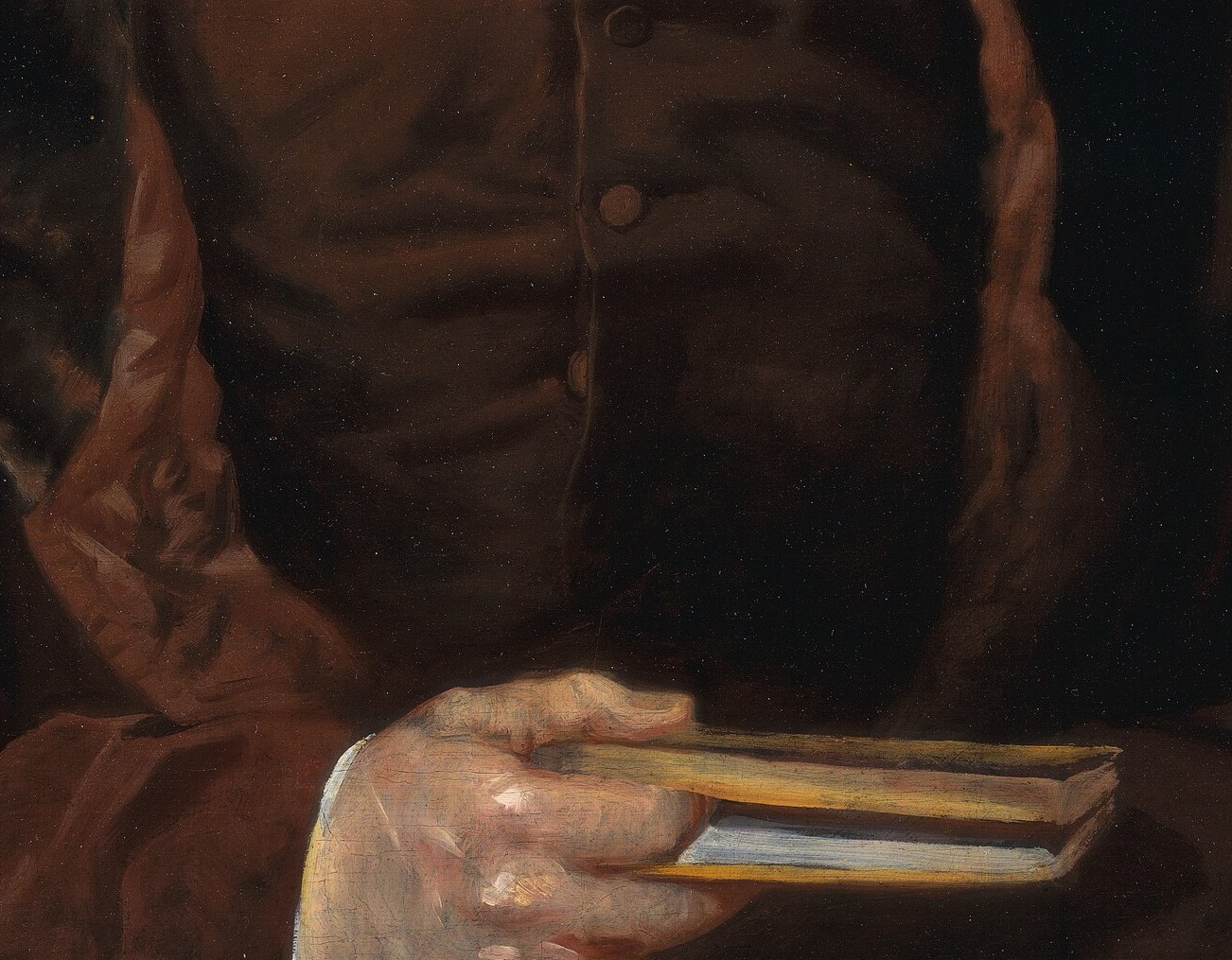
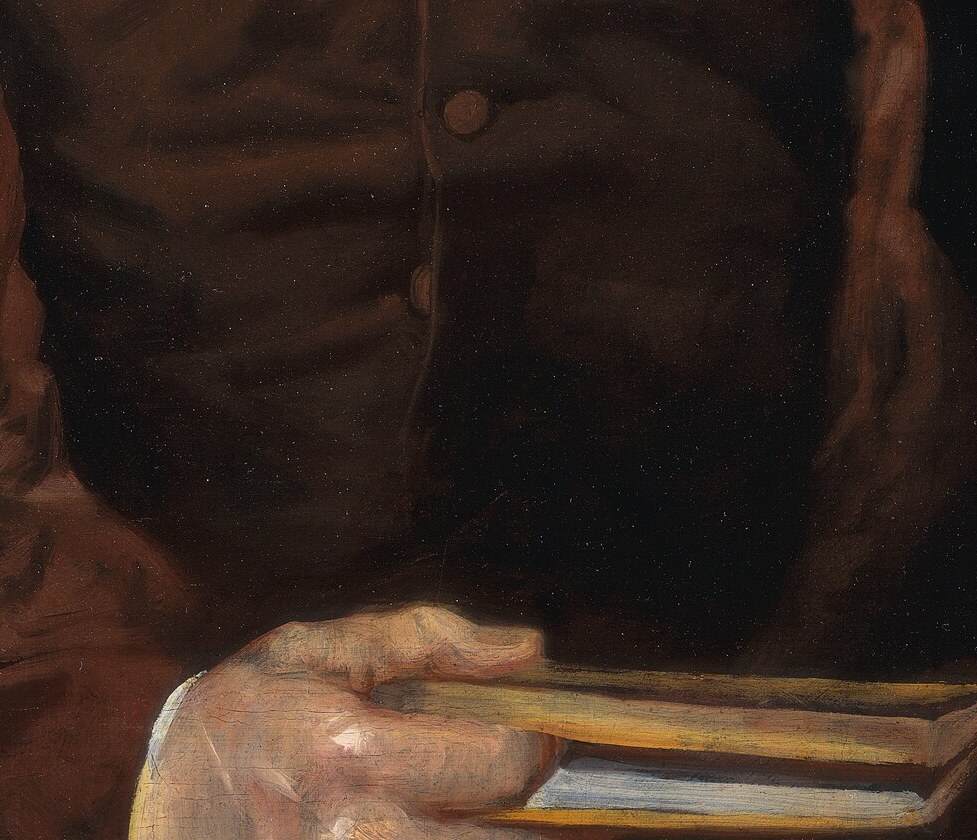
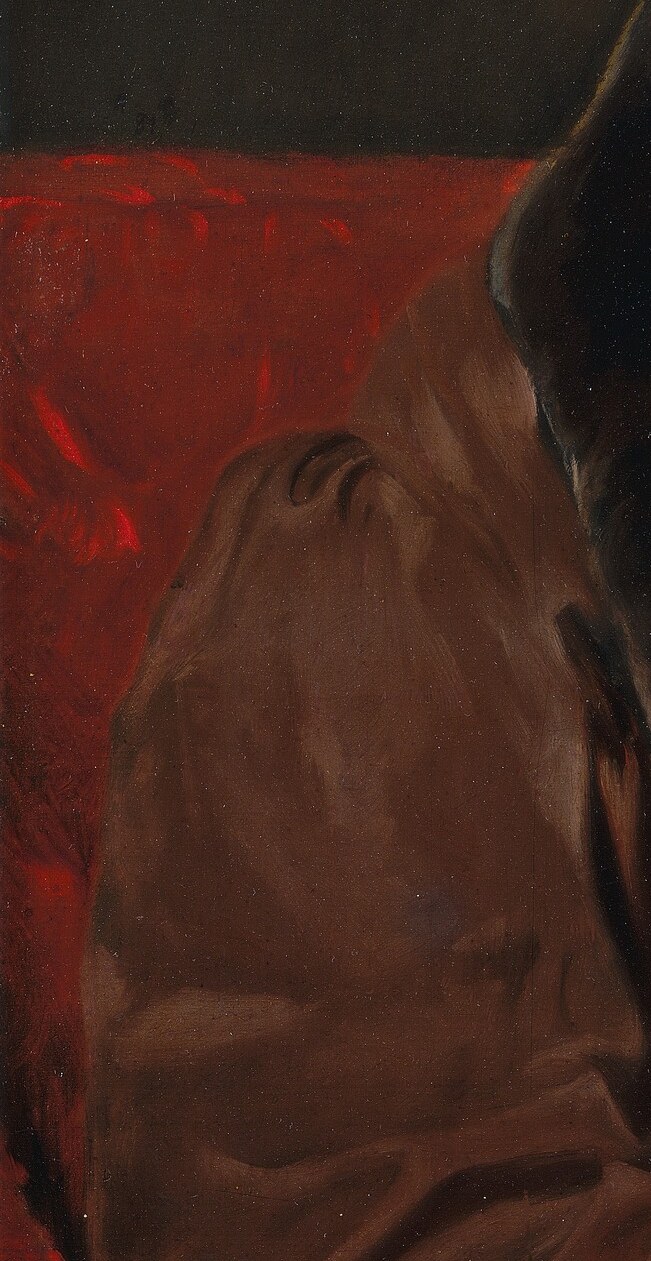
Look at what is absent. The coat is near-black wool, unadorned. The chair is plain wood, you can see the arm at lower left with no carving, no gilding, no velvet. The only object Carroll holds is a small bound volume. In the 1820s, European grandees were still being painted in ermine and gold braid. Carroll chose to be remembered in what amounts to judicial or senatorial dress. That choice was a continuation of the argument the Declaration itself made: legitimacy comes from law and consent, not from inherited finery.
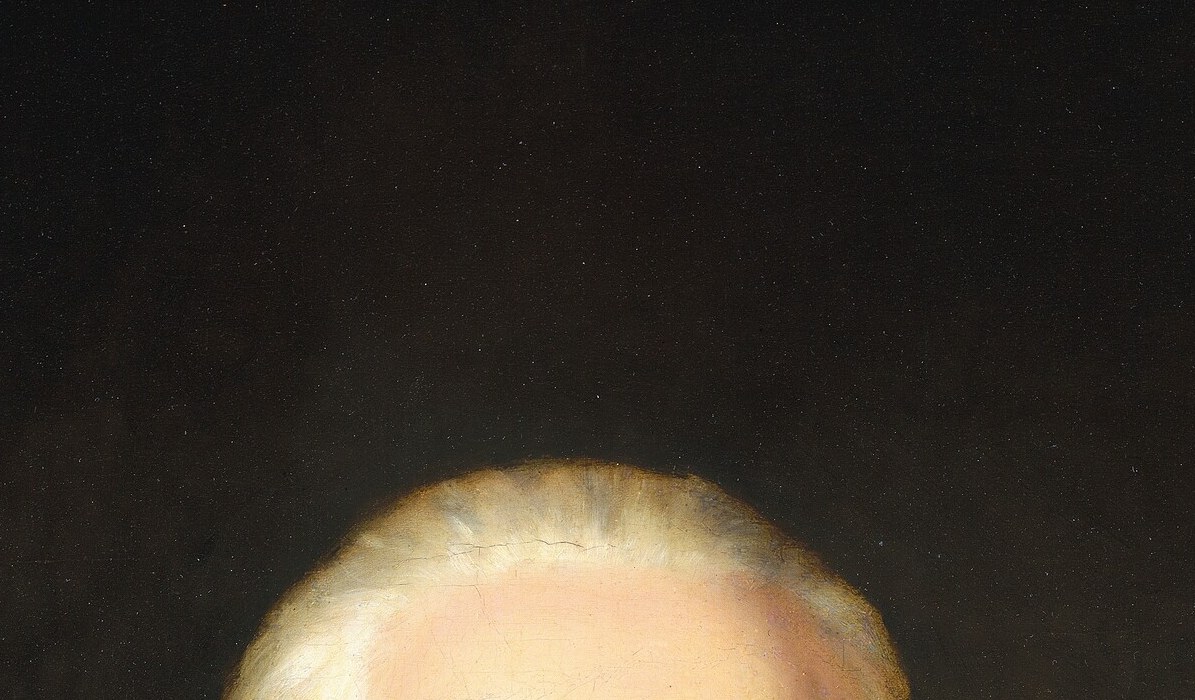
Harding was a self-taught New England portraitist who had painted Daniel Webster and would go on to paint seven U.S. presidents. He had no academic training in the grand European manner, and that likely suited Carroll. The directness of the painting, the unflinching rendering of the thin mouth, the soft jaw, the ear showing every year, is a kind of honesty. Harding does not flatter; he records. The luminous amber background is the one painterly flourish, and it serves to push the sitter forward into the room with you.
Carroll was Catholic in a Maryland that had barred Catholics from office, wealthy in a revolution that denounced inherited privilege, and the very last of the fifty-six. He outlived the country he signed into being by half a century. To look at this portrait is to look at someone who knew, with perfect clarity, that he was the final witness.
Details
Transcript
This man is the last surviving signer of the Declaration of Independence. He's in his nineties. His gaze meets yours directly. Look at what he's holding: a small book or document. It's the only prop in the portrait, a sign of a life of law and letters. His coat is deliberately plain. In Europe, a statesman would wear velvet and gold. The chair arm is bare wood. No gilding. This is a political choice. All of it, the plain coat, the bare chair, the book, adds up to one message: republican virtue.