Self-Portrait, Aged 21 by Vuillard, Edouard
Édouard Vuillard painted this sober self-portrait in 1889, at the age of twenty-one. It hangs today as a record of a young artist on the cusp of a revolution. He was already a member of Les Nabis, the post-impressionist group that would soon explode academic convention with flat planes of pure color derived from Japanese prints. But here, we catch him mid-step, before the flattening fully takes hold.
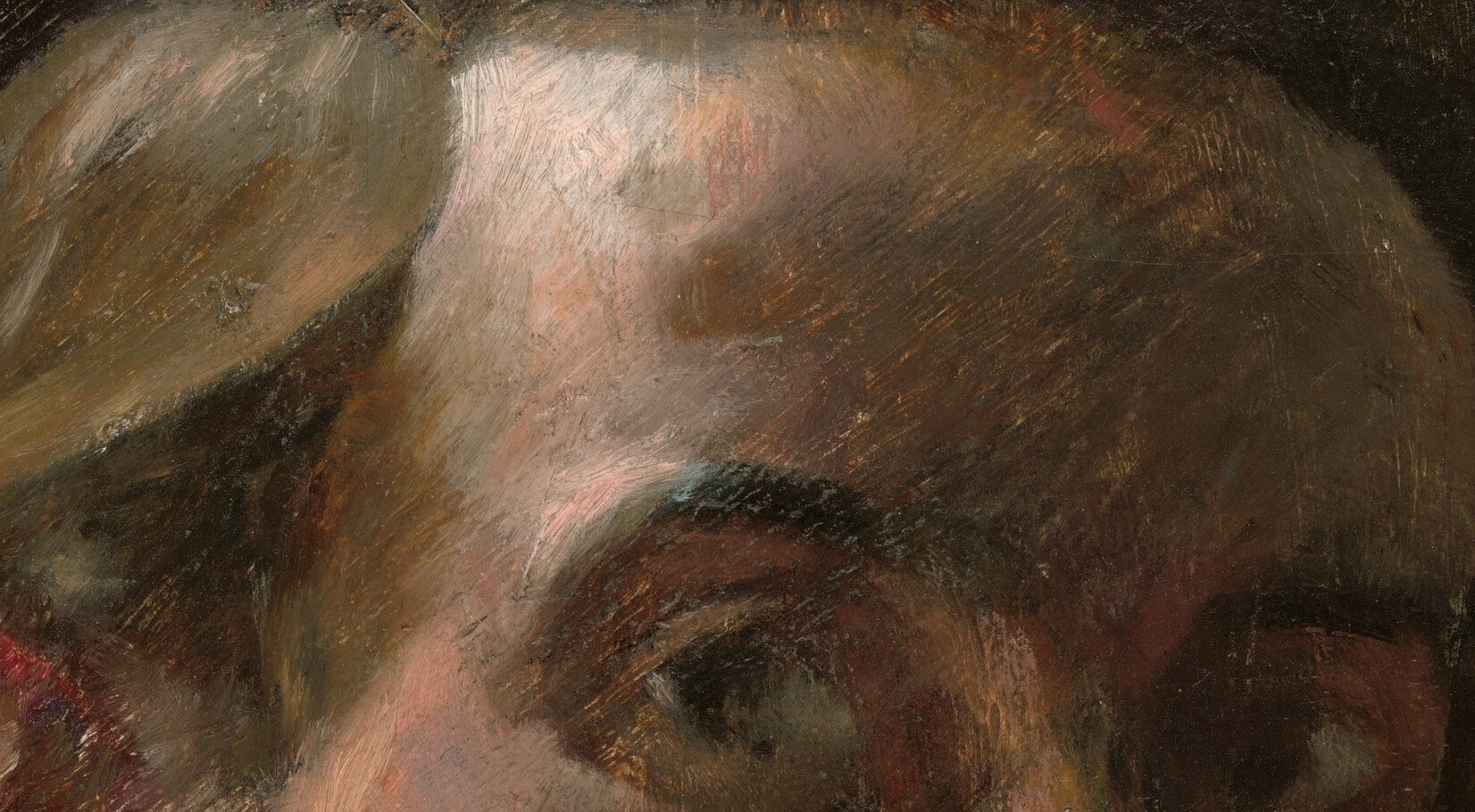
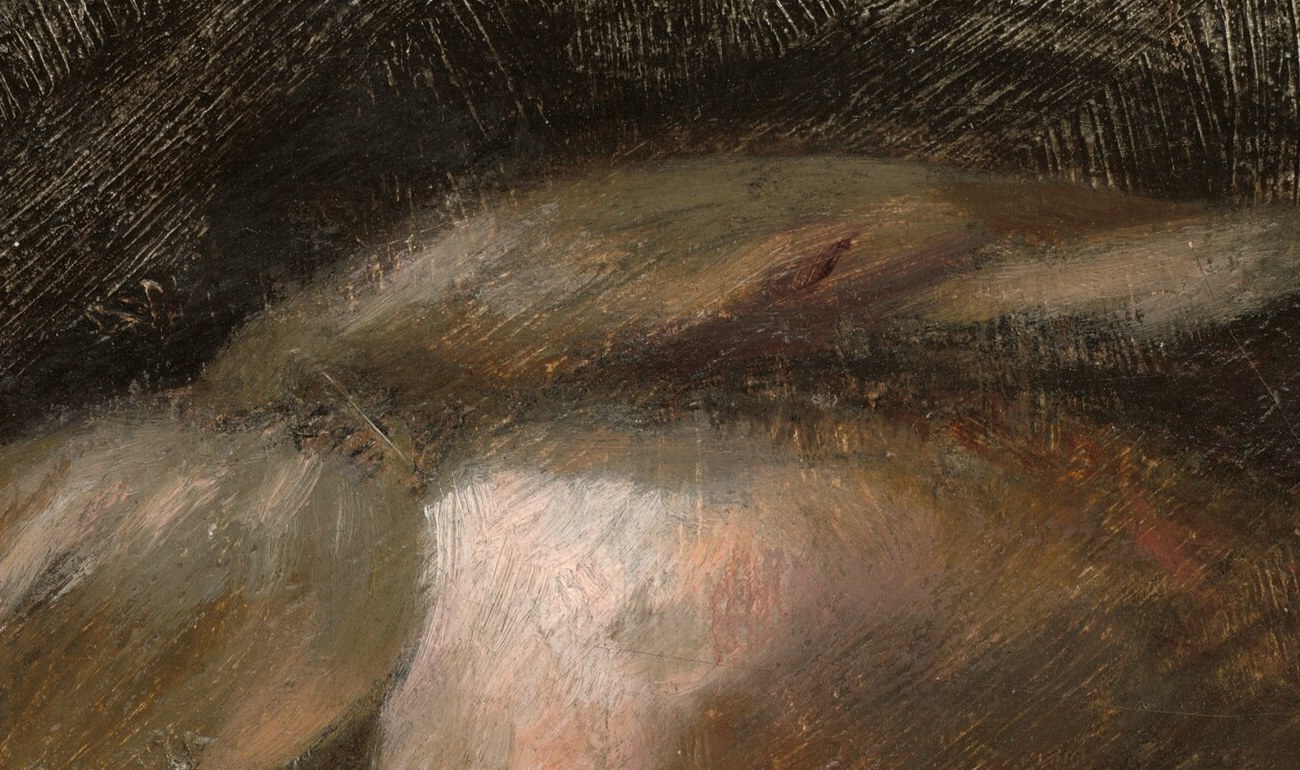
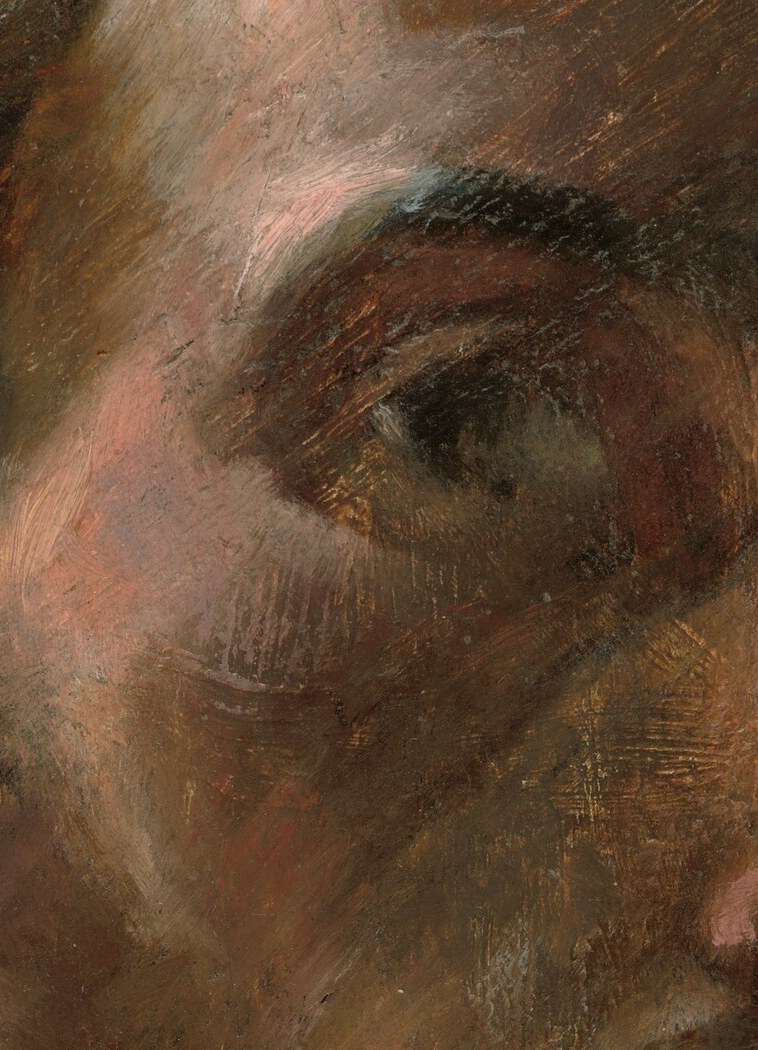
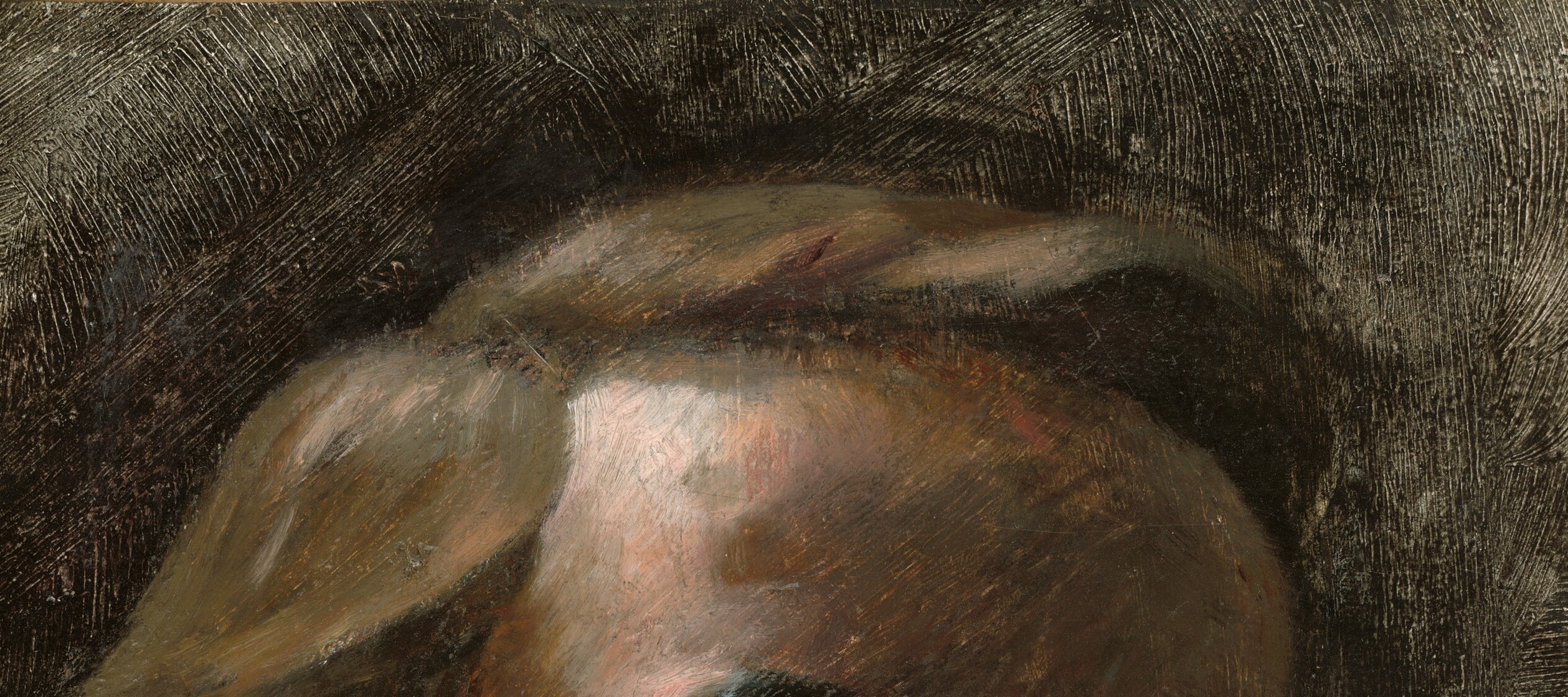
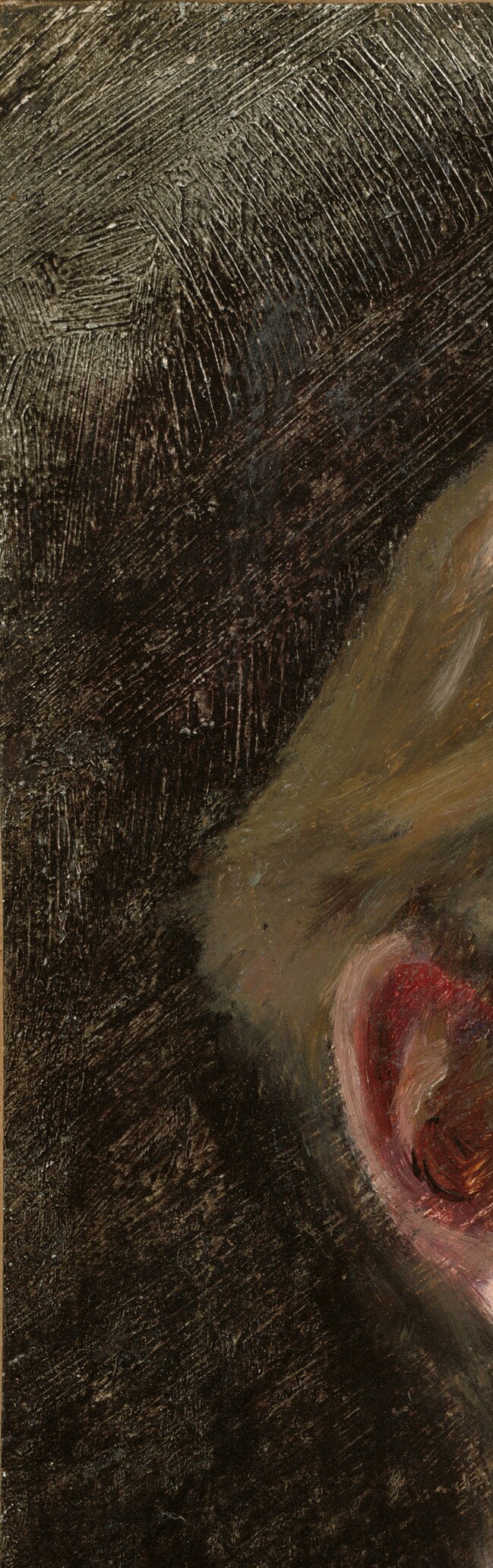
Study the face. The forehead and nose are modeled with careful chiaroscuro, the structured highlight and shadow of a student who trained at the Académie Julian. That training is right on the surface. Then let your eye drift to the hair and the background. The dark mass of hair blends almost completely into the olive-brown studio wall behind him. The shadow under the jaw merges seamlessly with the collar. The figure is already starting to dissolve into its surroundings.
This is the document of a crossroads. Vuillard is staring at himself in a mirror, recording what he sees with the tools he was taught, while his instinct is already pulling him toward atmosphere, pattern, and the flat, intimate silence of his later domestic interiors. The tight mouth and averted eyes suggest not confidence but the private intensity of self-scrutiny at a formative moment.
A self-portrait is a question the artist asks himself. For Vuillard, this one is: what stays solid, and what can disappear into the air?
Details
Transcript
The year is 1889. The painter is twenty-one. He's part of a secretive group called the Nabis. Look at how the forehead catches the light. This is classical modeling, learned in the academy. But now watch what happens at the edges. His hair dissolves into the shadow behind him. Figure and ground begin to flatten into one. Staring into a mirror, he painted his own future.