Lazarillo de Tormes and His Blind Master by Augustin Théodule Ribot
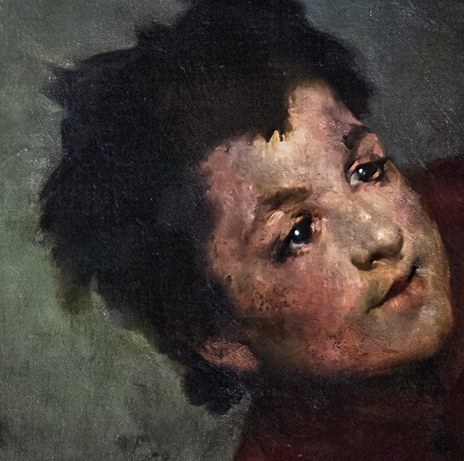
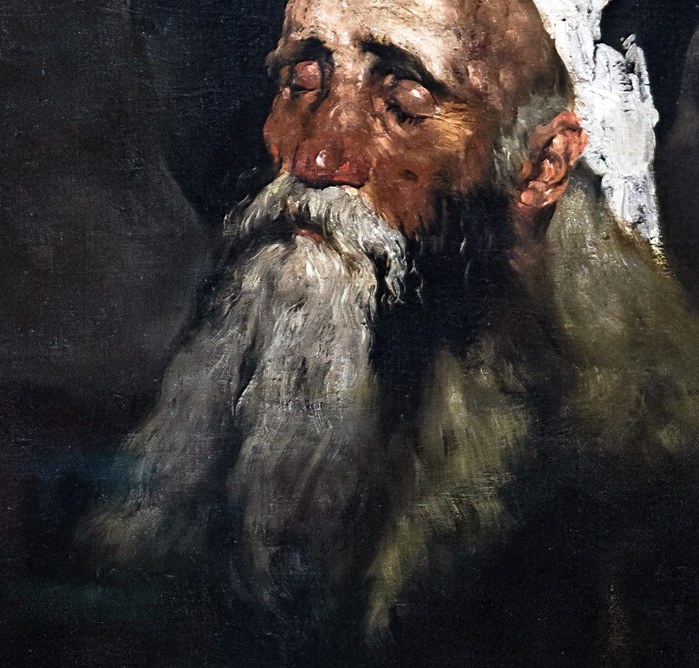
This striking 1875 painting, *Lazarillo de Tormes and His Blind Master* by Théodule-Augustin Ribot, captures a pivotal scene from the anonymous 16th-century Spanish picaresque novel. It's a key work in the collection of The Cleveland Museum of Art.
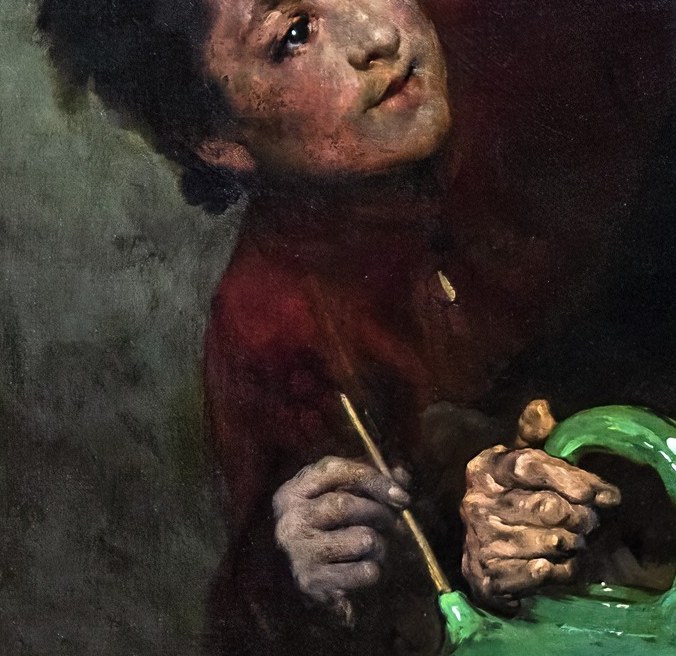
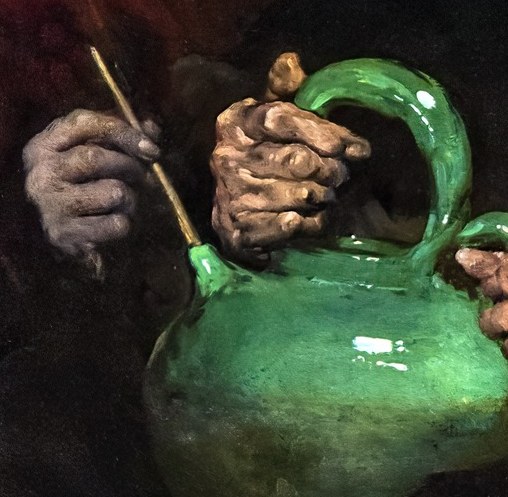
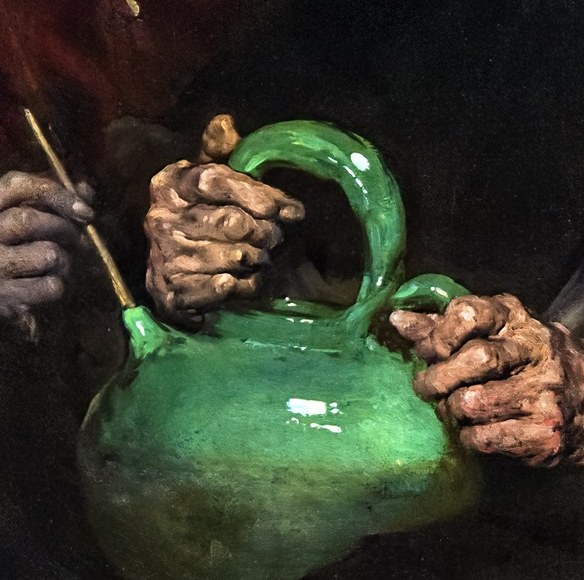
Ribot's use of dramatic chiaroscuro highlights the figures, drawing attention to Lazarillo, the young boy in the vivid red shirt, as he guides his elderly, blind master. Look closely at their hands, which subtly convey their complex relationship of dependence and burgeoning wit.
Ribot, a French realist painter, was largely self-taught, often working at night to depict everyday subjects with profound realism. This painting reflects his ability to bring literary narratives to life, showcasing the struggles and resilience of ordinary people in a compelling manner.
What do you notice first about the interaction between Lazarillo and his master?
Details
Transcript
This painting tells a 16th-century Spanish story. It shows Lazarillo, a boy, and his blind master. The anonymous novel *Lazarillo de Tormes* began the picaresque genre. It follows a young, clever servant surviving many masters. Here, Lazarillo helps his first master, a cruel blind man. The artist, largely self-taught, often painted everyday life.