Don Bernardo de Iriarte (1735–1814) by http://www.wikidata.org/.well-known/genid/56d495a9cb794ec935387face4b85d54
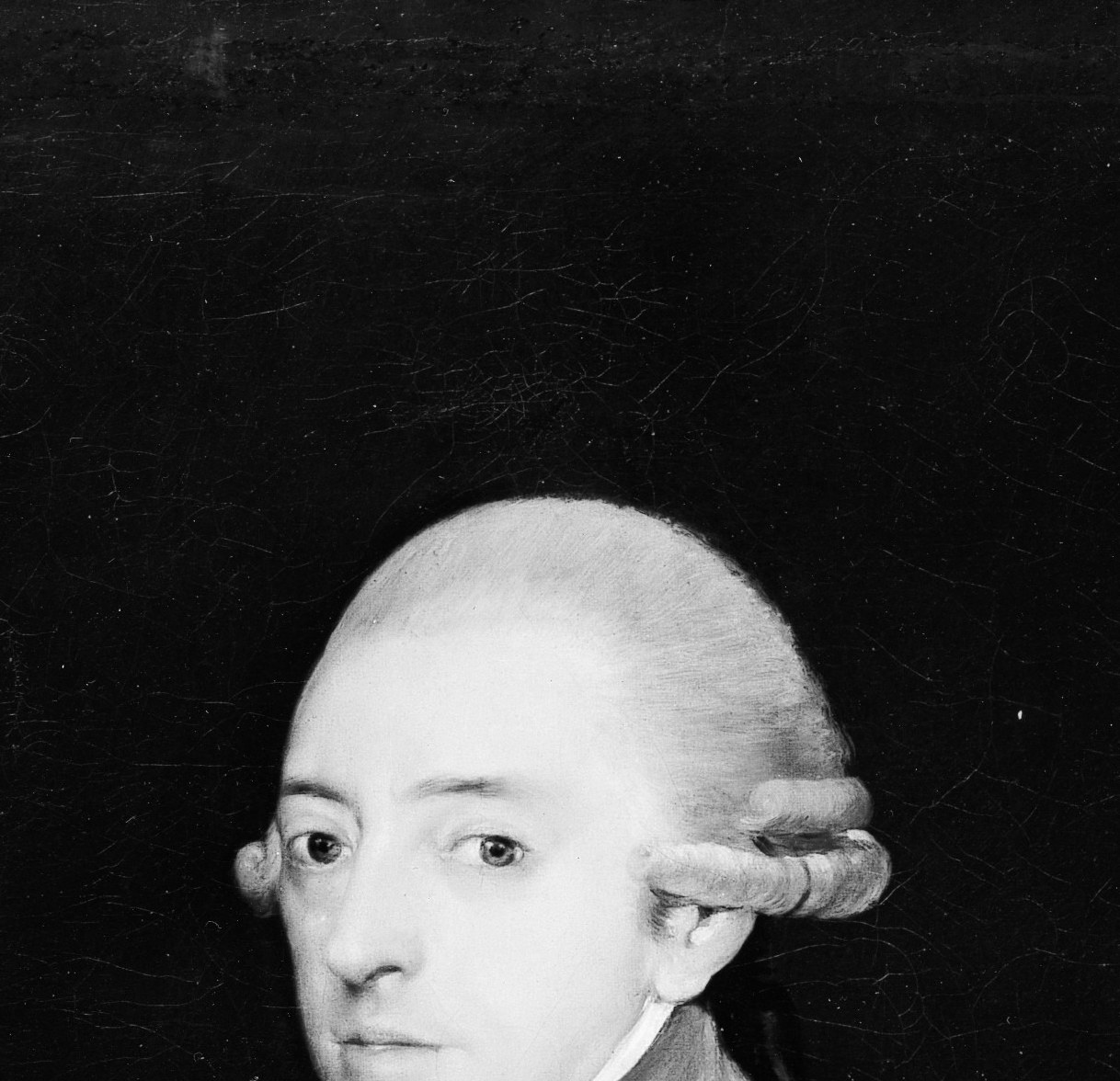
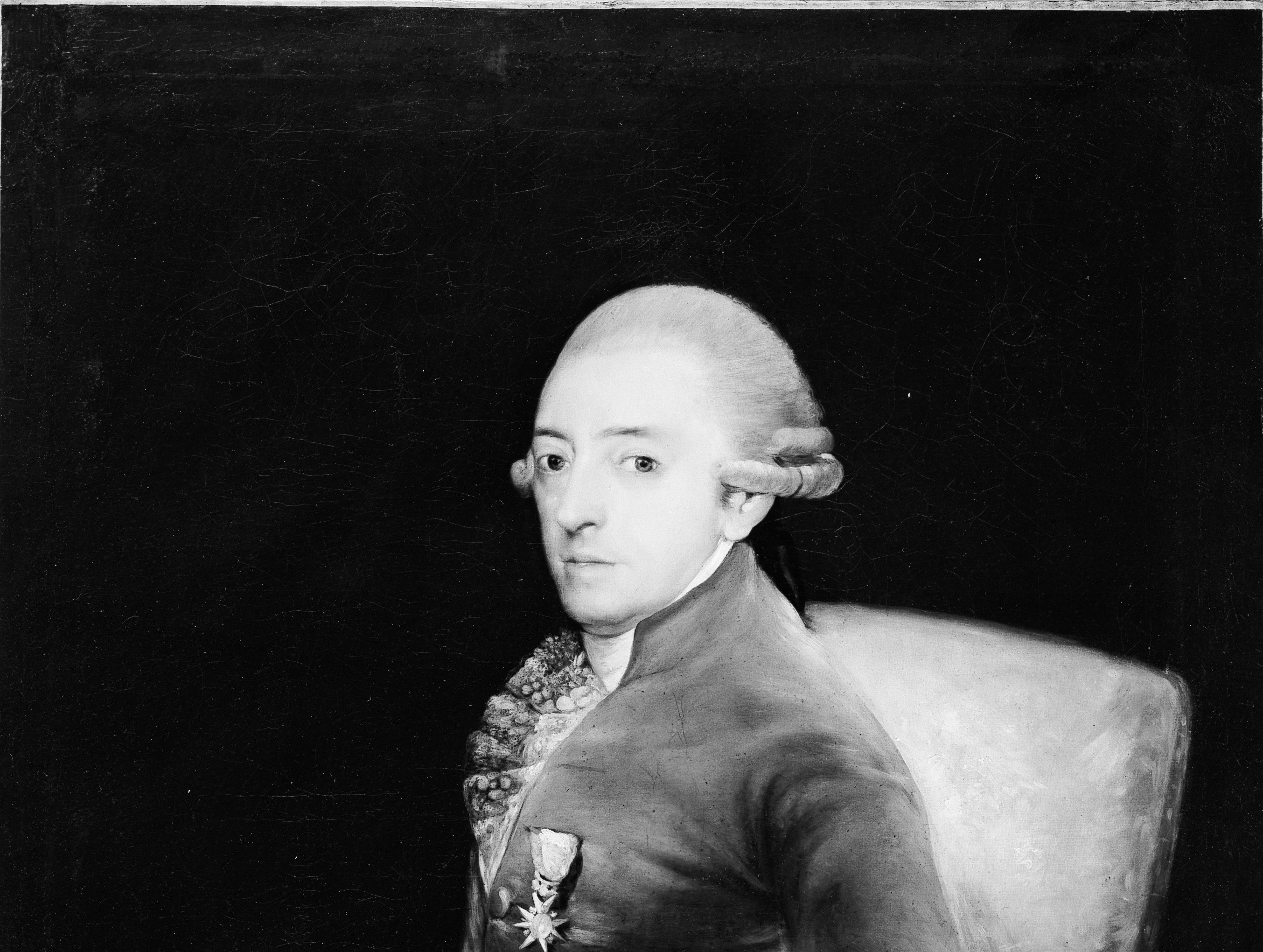
This is Francisco Goya's portrait of Don Bernardo de Iriarte, painted in 1797, now in the collection of the Musée des Beaux-Arts de Strasbourg. Goya was the greatest Spanish painter of his age, and by 1797 he was at the height of his powers as a portraitist to the aristocracy and intelligentsia.
Look at the lower margin of the painting, just above the frame. A painted inscription states the sitter's name and the year of the portrait, in the artist's own hand. It is easy to miss on a phone screen, but it is the documentary anchor that ties this face to a real historical person. Iriarte was a diplomat, a translator of classical texts, and a minister of the Indies.
Goya did not idealize. The dark background throws the face into sharp relief, and the direct, intelligent gaze reads as the scrutiny of a man who spent his life in negotiation. The strong underlighting on the jaw, the slightly pursed mouth, the hand resting on official papers, every element points to a man of serious affairs.
A portrait is a conversation across centuries. When you look at Don Bernardo's eyes, you are meeting the gaze Goya fixed on canvas more than two hundred years ago. What do you see in it?
Details

Transcript
He looks like any late 18th-century statesman. But this painter never flattered anyone. A direct, unsmiling gaze. Intelligent scrutiny. Now look at the bottom edge of the canvas. A painted inscription runs along the lower margin. It names the sitter and the year: Don Bernardo de Iriarte, 1797. Goya recorded his subjects with absolute honesty.