Young woman at the cradle by Nicolaes Maes
Nicolaes Maes's "Young Woman at the Cradle," painted around 1650, is a beautiful example of Dutch Golden Age genre painting, held at the Rijksmuseum. It captures a seemingly simple, intimate moment of domestic life, but with deeper cultural meaning.
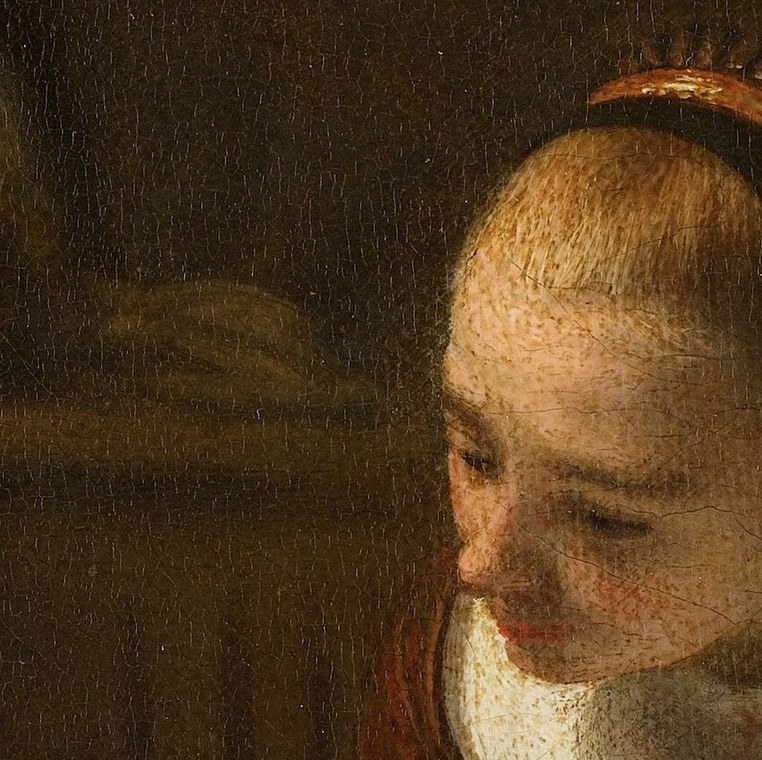
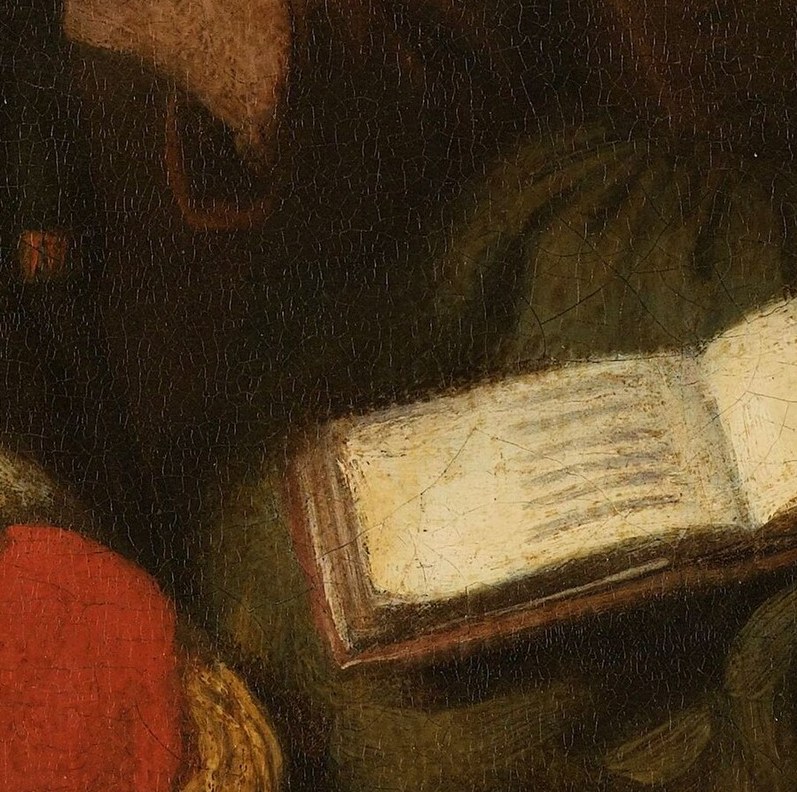
Look closely at the woman's face and the open book she holds. The way light illuminates these elements suggests an emphasis on piety and diligent care. Her calm demeanor while attending to the sleeping infant in the richly lined cradle speaks to the cherished values of the period.
Maes, a pupil of Rembrandt, created works like this to reflect the mid-17th-century Dutch interest in depicting ordinary scenes with moral overtones. Such paintings highlighted virtues of nurturing and an orderly, pious household, which was seen as a model for society.
This painting invites us to consider the quiet dignity of domestic life and the subtle ways art communicates cultural ideals. What details do you notice that reinforce this sense of virtue?
Details

Transcript
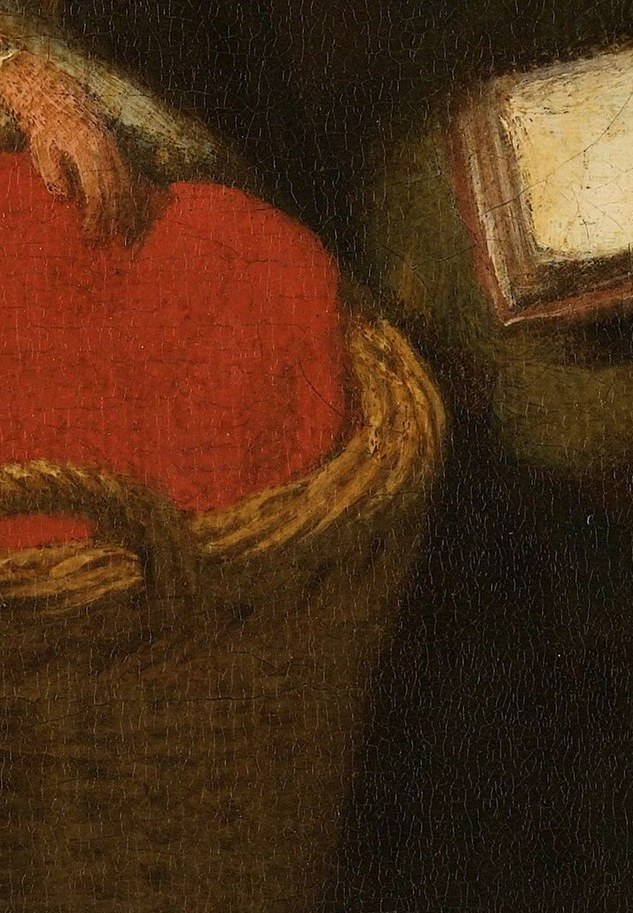
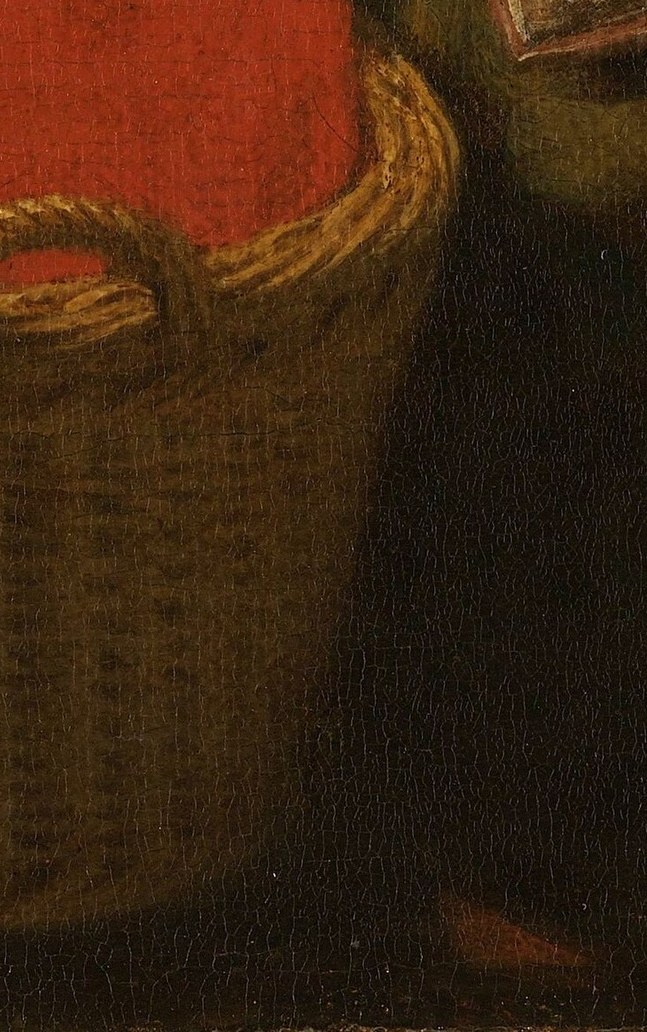
This painting from 1650 depicts a quiet domestic moment. The light highlights the woman's face and the open book. Such scenes often emphasized virtues like diligence and nurturing. Her calm expression suggests focus on the book or child. The sleeping infant adds to the sense of intimacy and family life. It reflects the ideal orderly, pious household of its time.