Madonna and Child by Giovanni Bellini
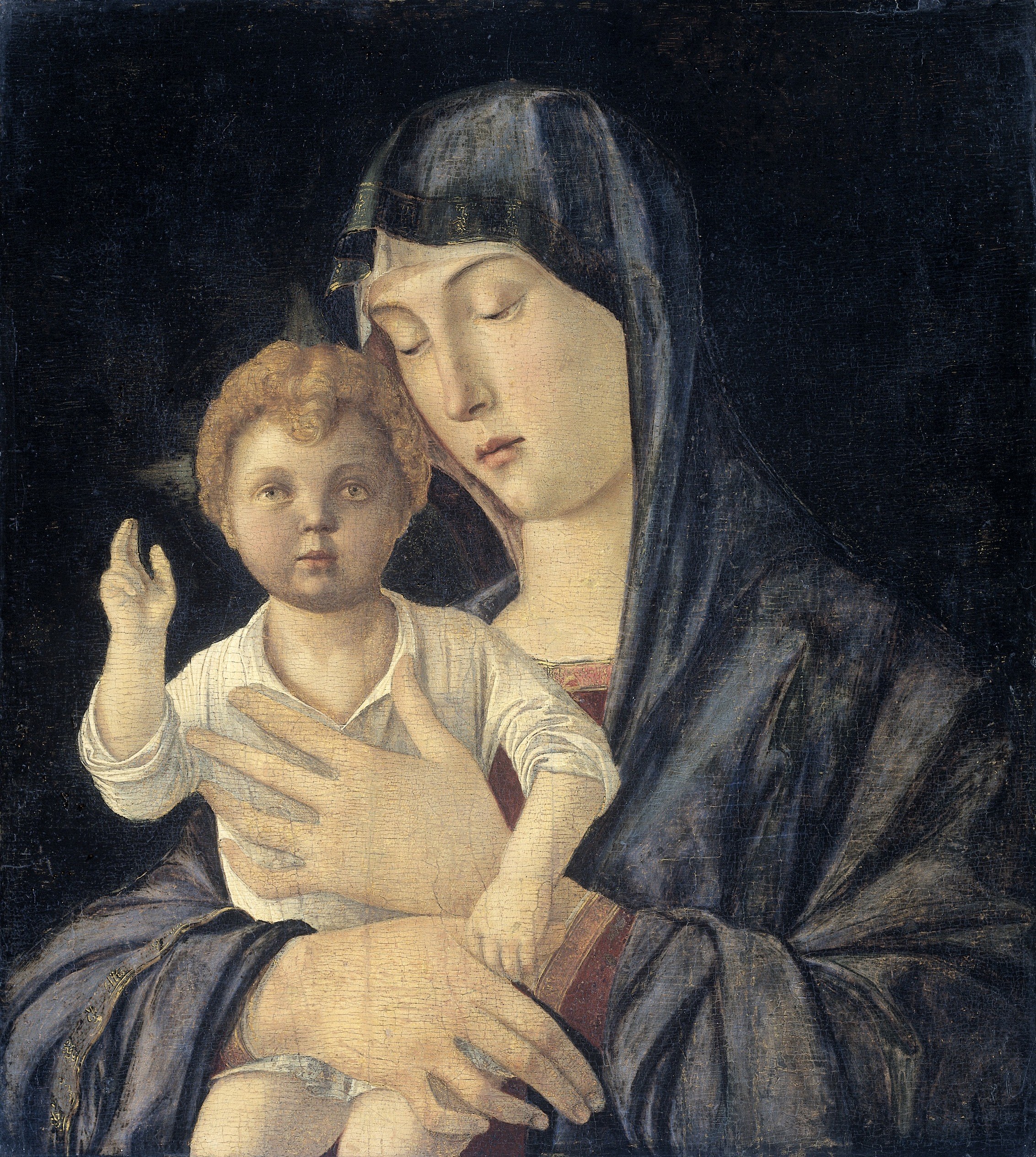
Giovanni Bellini, a pivotal figure in the Venetian Renaissance, revolutionized painting with his luminous colors and soft modeling. His "Madonna and Child," painted around 1450, is a tender example of this mastery, now housed in the Rijksmuseum.
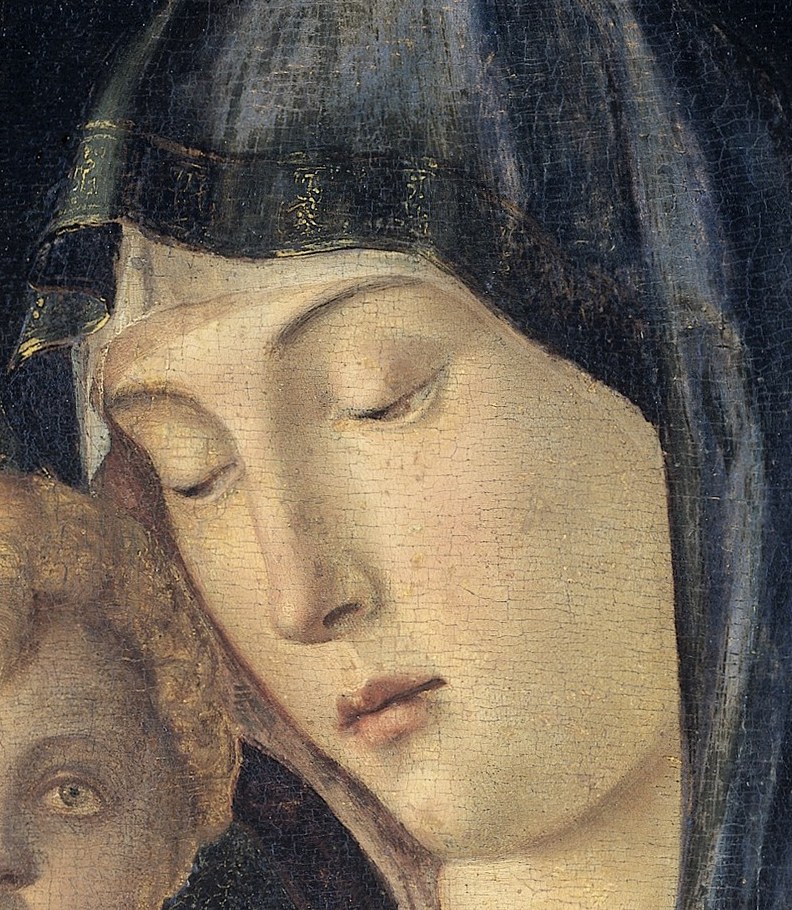
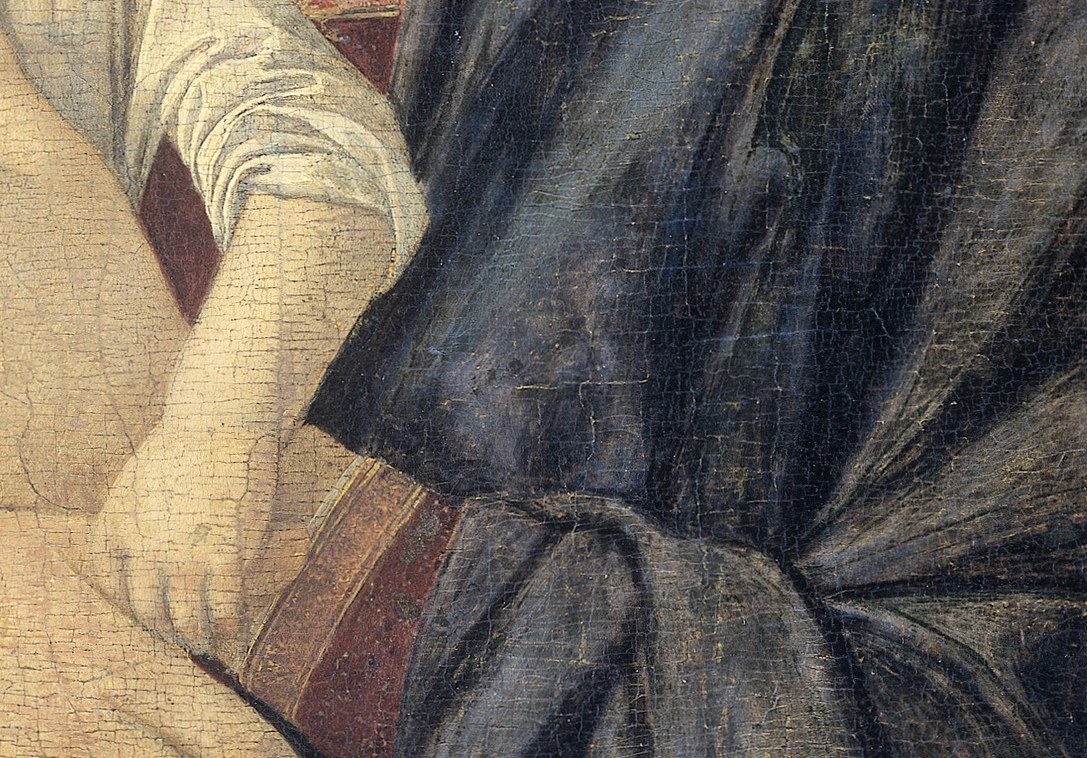
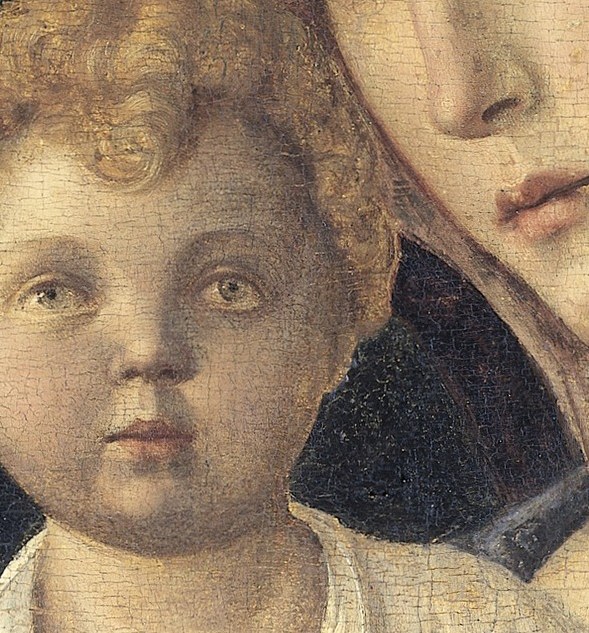
Observe the Virgin Mary's serene, almost closed eyes, conveying deep contemplation, while her hands gently cradle the Christ Child. The child's direct gaze and raised hand create an intimate connection with the viewer, a hallmark of devotional art from this period.
Bellini's innovative use of oil paint allowed for subtle gradations of light and shadow, giving the figures a lifelike glow against the dark background. This technique brought a new sensuousness and depth to Venetian painting, profoundly influencing later artists like Giorgione and Titian.
What emotions does this quiet, intimate scene evoke in you?
Details
Transcript
This painter was a master of human feeling. See Mary's quiet contemplation, her eyes nearly closed. Her hands cradle the child with immense tenderness. The Christ Child gazes out, engaging the viewer directly. His small hand reaches, a tiny blessing. Bellini used oil paint to give their skin a lifelike glow. He shaped Venetian art with softness and luminous color.