Peter Ivanowitz Potemkin, The Russian Ambassador by Juan Carreño de Miranda
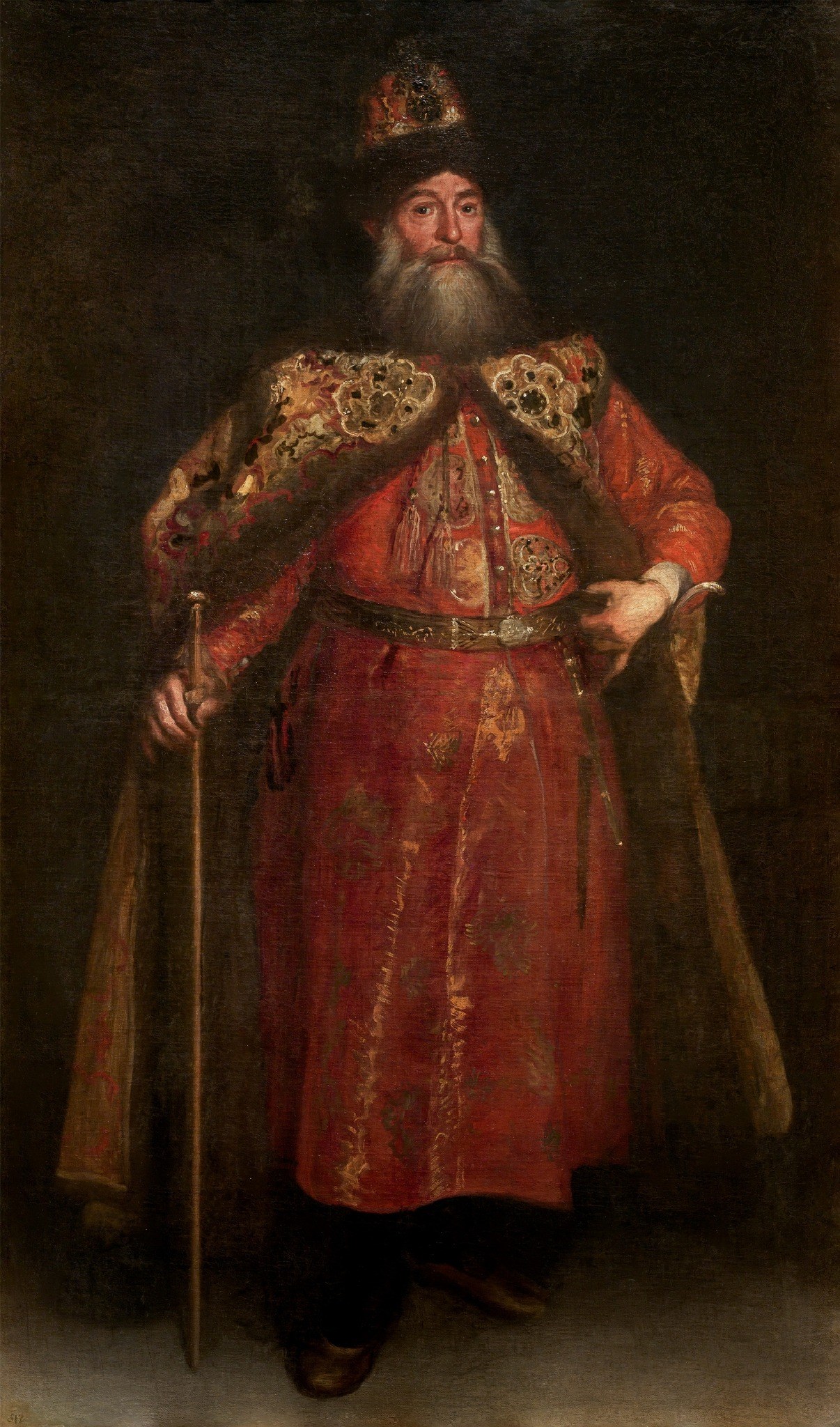
This opulent portrait, Peter Ivanowitz Potemkin, The Russian Ambassador by Juan Carreño de Miranda (1691) at the Museo del Prado, caused a stir upon its unveiling due to its sheer display of wealth. The ambassador's jeweled hat and intricately embroidered robe, while signaling his high status, were perceived by some as ostentatious.
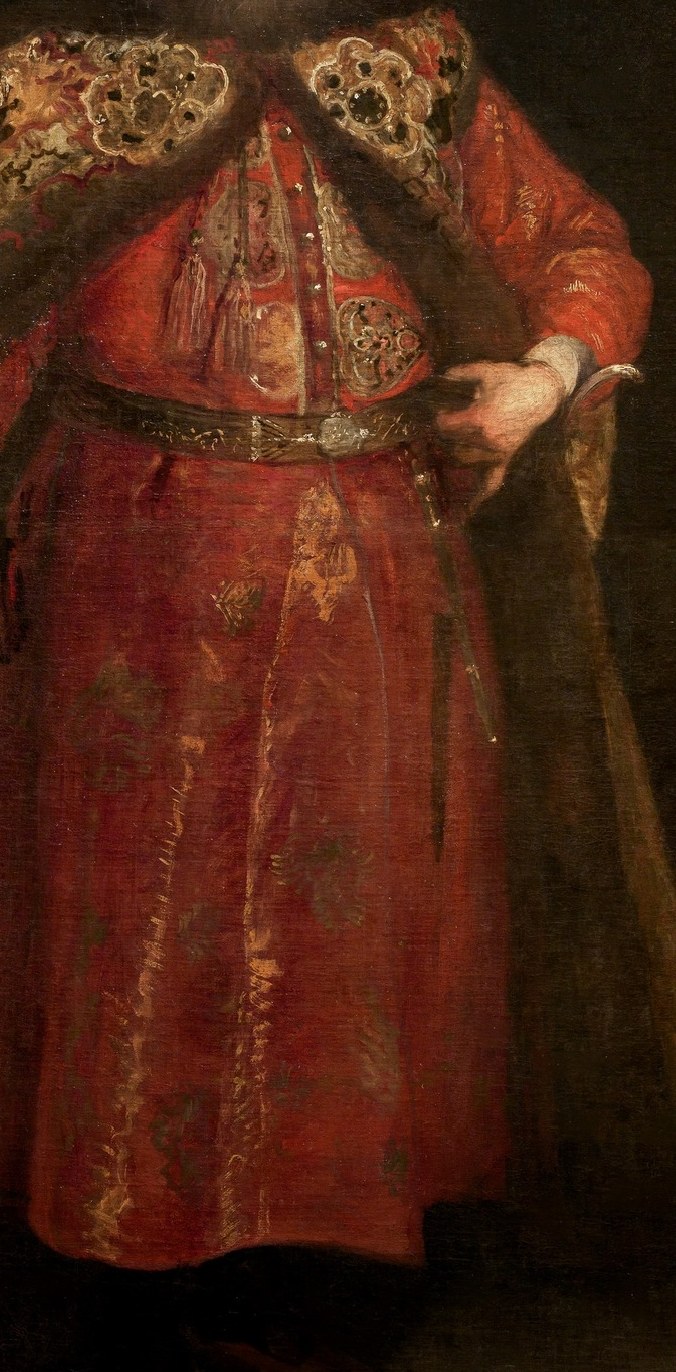
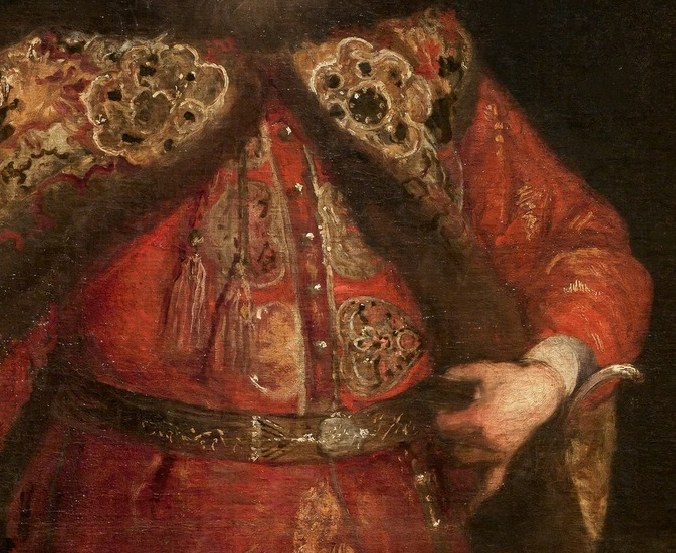
Look closely at the jeweled hat and the richly embroidered robe, featuring gold patterns and fur trim. Notice the ambassador's direct, piercing gaze and his composed posture, with one hand on his chest and the other holding a staff, all rendered with meticulous detail against a dark background.
Painted in 1691, this work aimed to project the power and influence of Pyotr Potemkin, a prominent Russian diplomat. However, the extreme luxury depicted led to public outcry and controversy, highlighting the tension between displaying status and avoiding accusations of vulgarity in 17th-century European society.
The painting stands as a testament to Carreño de Miranda's skill in capturing dignity and detail, even as it became a symbol of the social anxieties surrounding extreme wealth.
Details
Transcript
He looks like a man of great power. His ornate robe sparkles with gold. The jewels in his hat signal immense wealth. This opulent display caused a scandal. The ambassador's wealth seemed vulgar to some. His stern gaze meets the viewer directly. Carreño painted him in 1691.