Saint Elizabeth of Portugal by Francisco de Zurbarán
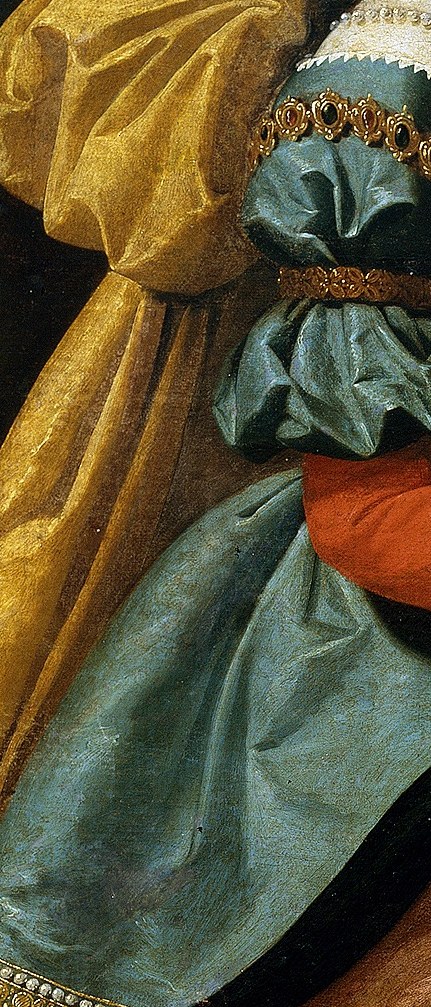
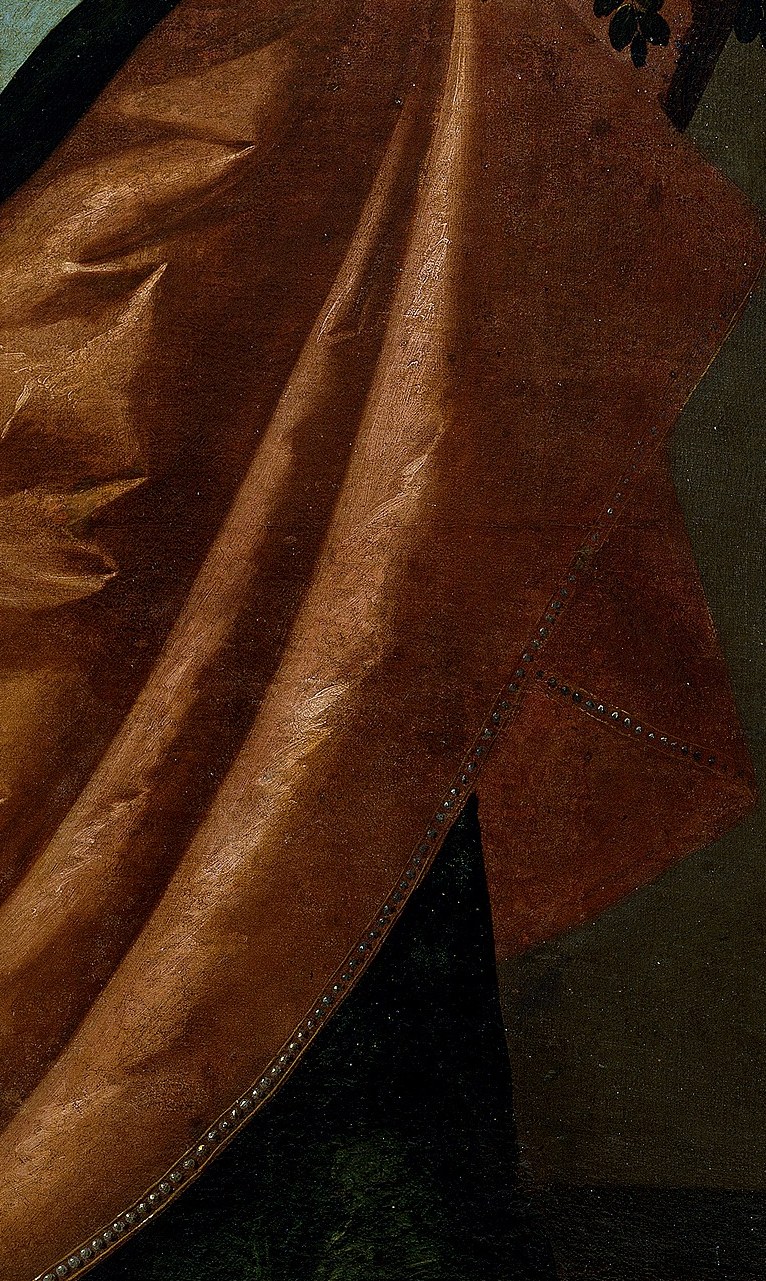
Francisco de Zurbarán's Saint Elizabeth of Portugal (c. 1630-1635) depicts the famed miracle of the roses. The painting shows Saint Elizabeth, Queen of Portugal, hiding bread intended for the poor when her husband confronts her. In a legendary moment, the bread transforms into roses before his eyes.
Look closely at her hands holding the miraculous roses, a transformation from the bread she concealed. Her serene expression, despite the impending reveal, speaks volumes about her unwavering piety and charitable devotion.
Zurbarán, known for his dramatic chiaroscuro and depictions of religious figures, captures a moment of quiet triumph and divine intervention. The work has been a cherished part of the Prado Museum's collection since 1818, a testament to its enduring power.
This painting is a profound reminder of selfless generosity and the spiritual strength of Saint Elizabeth.
Details
Transcript
She was a queen who gave everything away. Here, she hides bread for the poor. Her husband asks what she is hiding. The bread turned into these roses. Zurbarán painted this in 1635. Her calm face hides a miracle. The Prado Museum has owned it since 1818.