Portrait of cardinal-infante Ferdinand of Spain by http://www.wikidata.org/.well-known/genid/0720b1b1fa755f0e4617f22b56074905
Peter Paul Rubens' "Portrait of Cardinal-Infante Ferdinand of Spain" has survived several historical threats, nearly disappearing multiple times. Painted around 1634, this powerful portrait of the Spanish prince and cardinal is housed in the Museo del Prado.
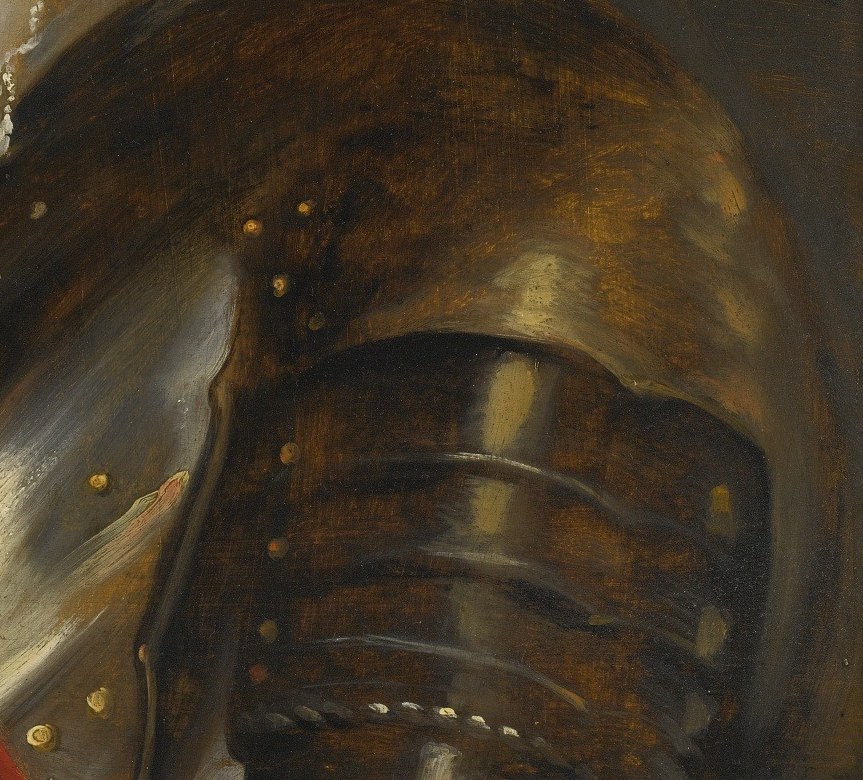
The painting's journey through history is as compelling as the subject's gaze. Look at the gleam on his armor, a testament to Rubens' mastery of light and texture.
After Ferdinand's death, the painting was lost for nearly two centuries, only to reappear in a Paris attic in the 1830s. During World War II, it was hidden in a salt mine to protect it from Nazi looting. Its travails didn't end there: in 1989, a vandal attacked the canvas with a knife, requiring meticulous restoration.
Remarkably, this work continues to inspire. What stories do you think a painting like this could tell?
Details

Transcript
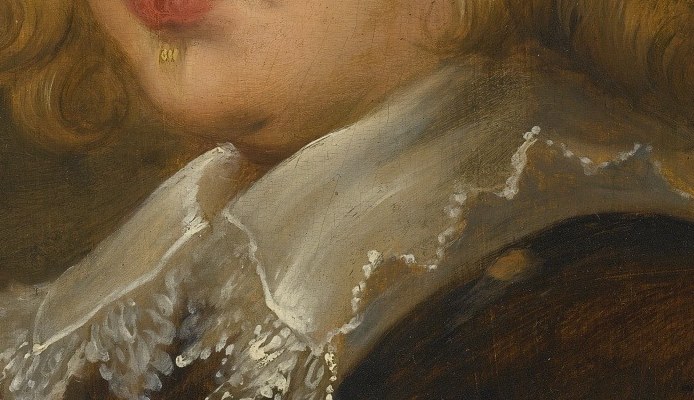
This man was a powerful Spanish prince and cardinal. After his death, this painting vanished for nearly 200 years. It resurfaced in a dusty Paris attic in the 1830s. In World War II, it was hidden in a salt mine from looters. Look closely at the gleam on his armor. During an attack in 1989, a vandal cut this surface with a knife. Restorers painstakingly repaired the damage, stitch by stitch. It has survived to tell many stories.