Landscape by Harpignies, Henri-Joseph
Henri-Joseph Harpignies painted a tree in 1898, but his relationship with this subject went far beyond one canvas.
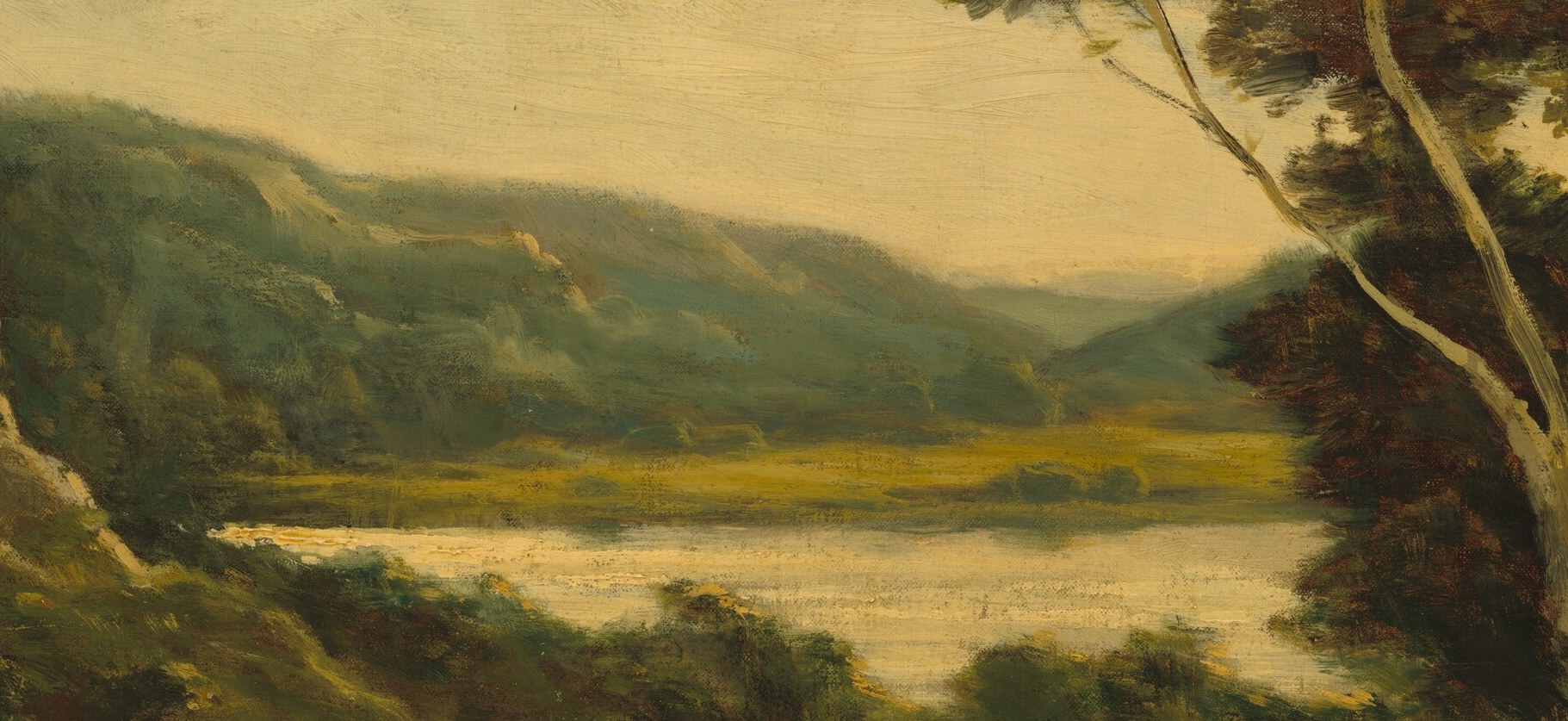
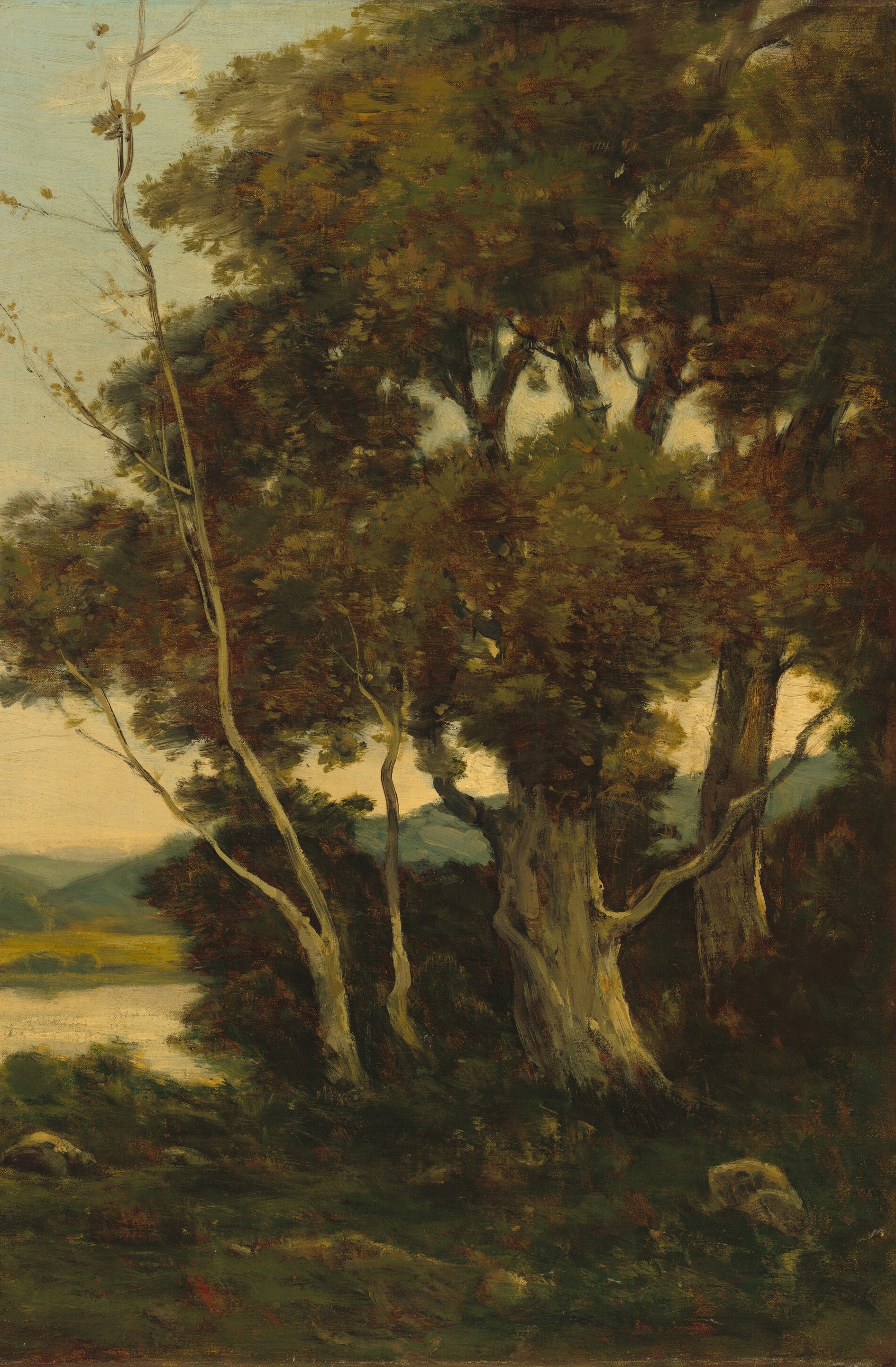
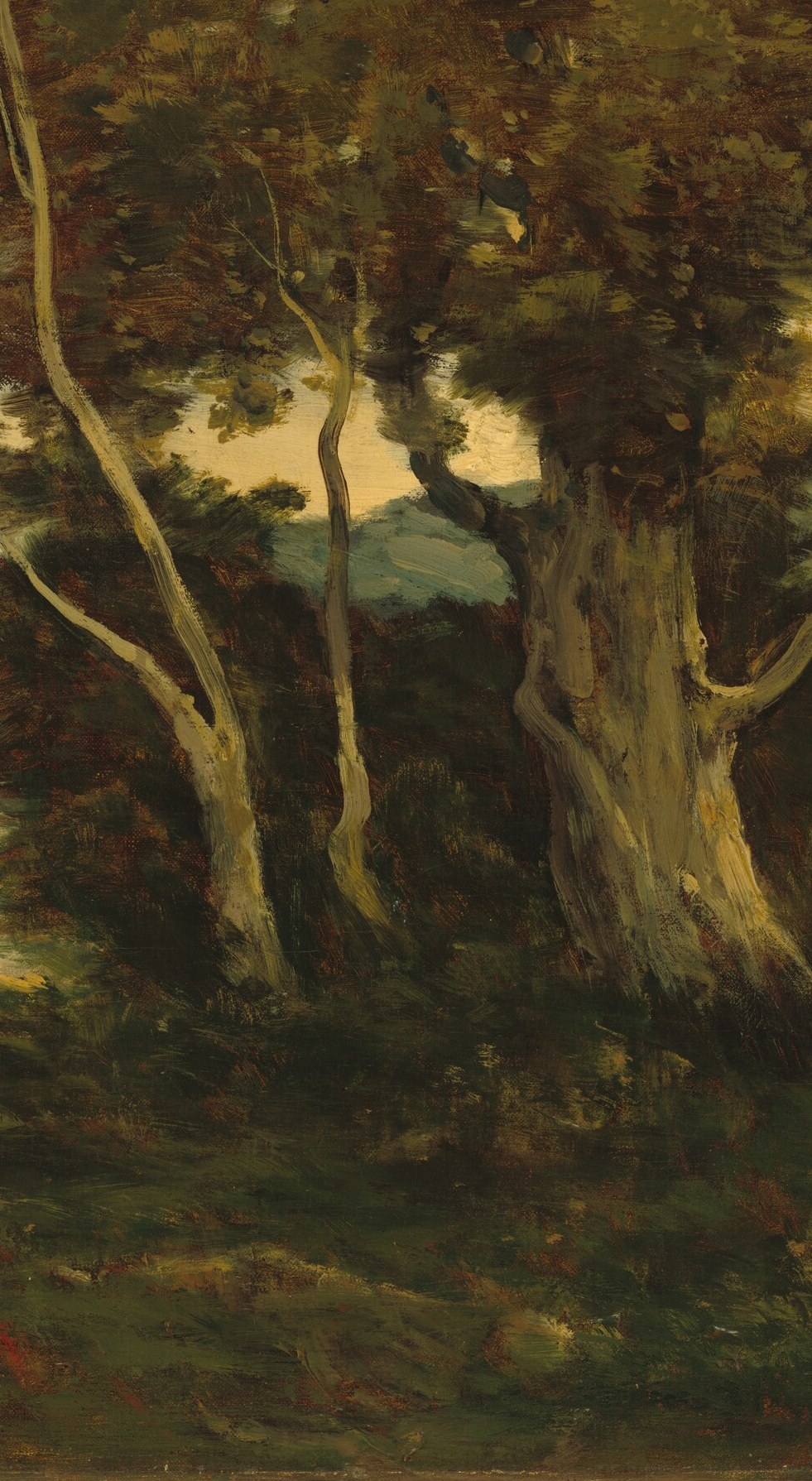
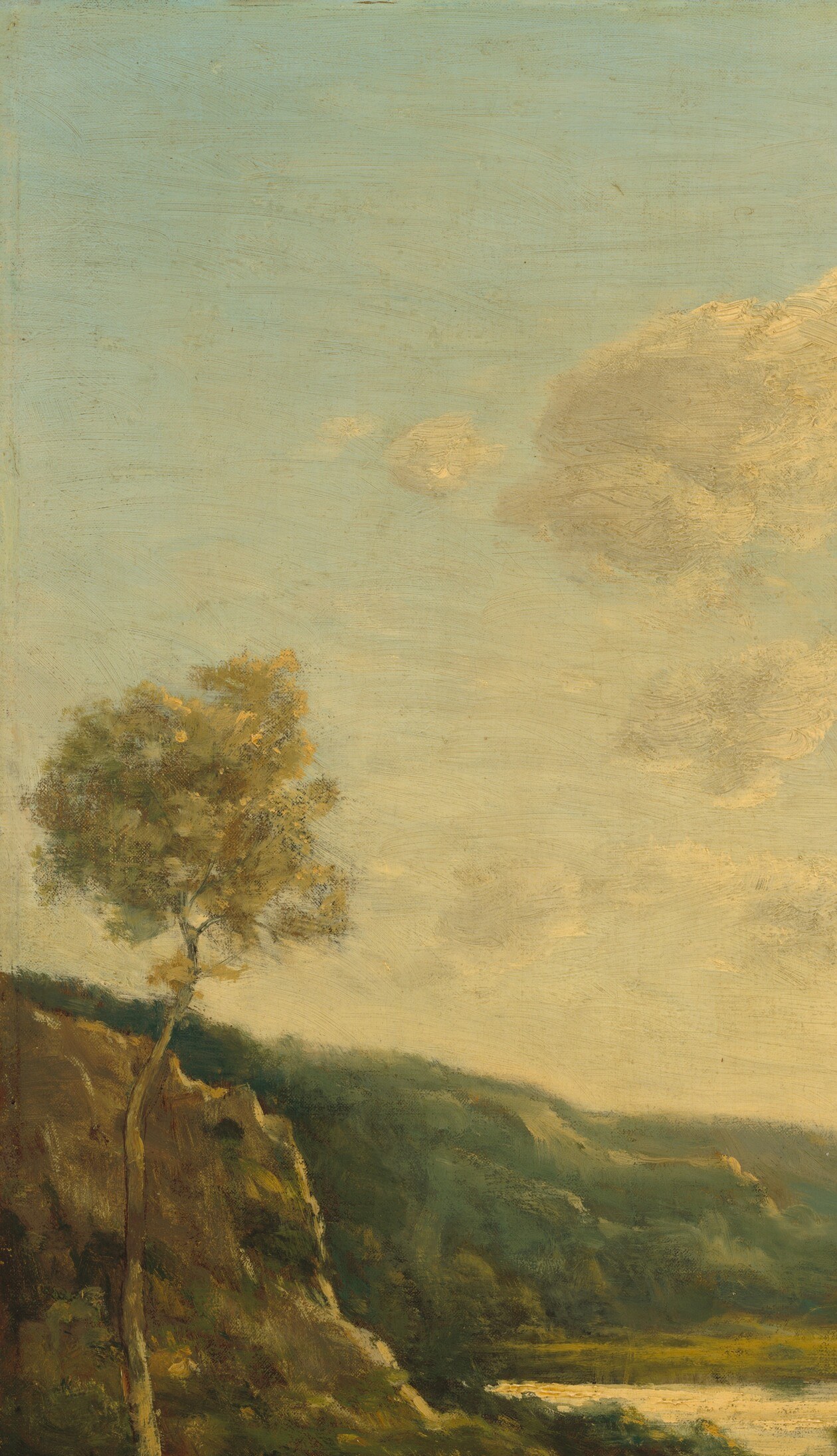
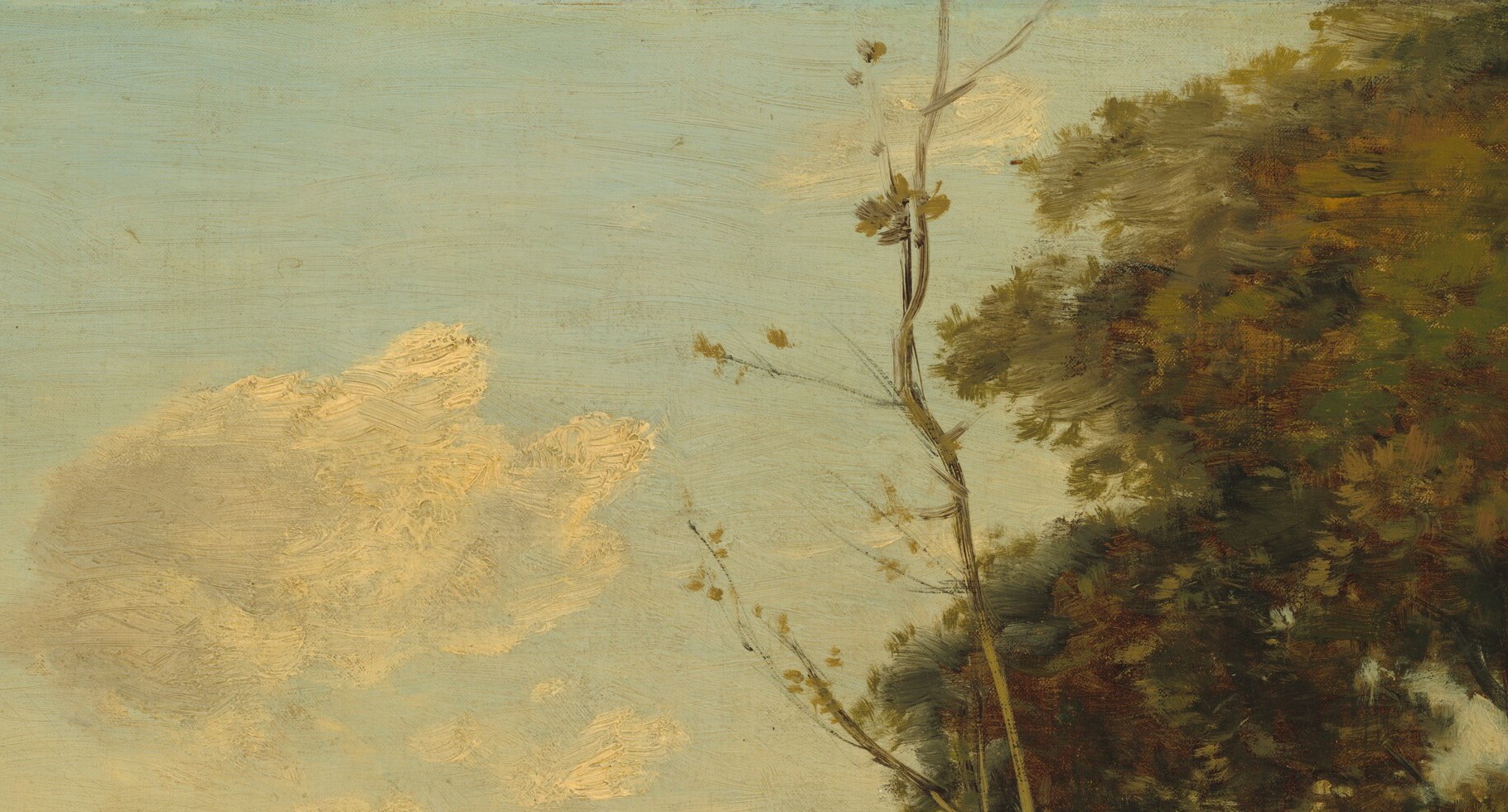
Look at the ridged, textured bark dominating the right side. Harpignies built it with rough, varied brushwork that records every hollow and split. The light in the meadow behind it pulls your eye deep into space, but the trunk holds the whole composition in place. His plein-air observation was so careful that the tree's silhouette, forked against the sky, reads as individual botany rather than generic shorthand.
In the 1880s, Harpignies put down a deposit on a country house in the Nièvre region. When the sellers tried to back out, he took them to court. His reason, documented by contemporaries, was not the house. It was an ancient tree on the property he could not bear to lose. He won the suit.
He painted trees with that same tenacity for another decade, outliving most of his Barbizon peers. This canvas still hangs in the collection of the Musée d'Orsay.
Details
Transcript
In 1898, a 79-year-old painter finished this landscape. It looks like a quiet study of afternoon light. But this tree once landed the artist in court. Harpignies paid a deposit on a country house. Then sued to stay for one reason: this tree. The old painter won. He studied its bark until he died.