Portrait of a Woman by Jürgen Ovens
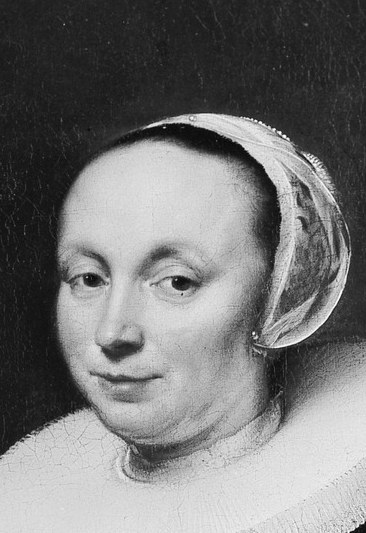
Jürgen Ovens, a student of Rembrandt, painted this striking Portrait of a Woman around 1650, mastering the play of light and shadow to bring his subject to life. Now part of The Metropolitan Museum of Art's collection, this painting exemplifies the Dutch Golden Age's focus on individual likeness and refined detail.
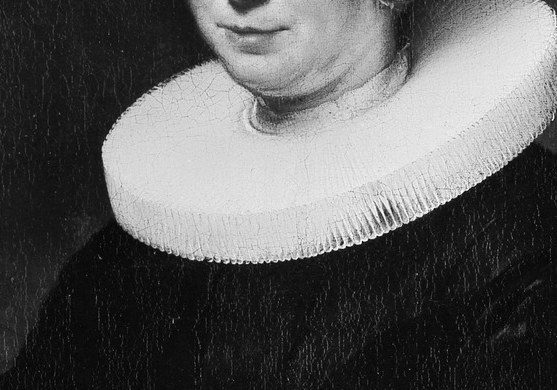
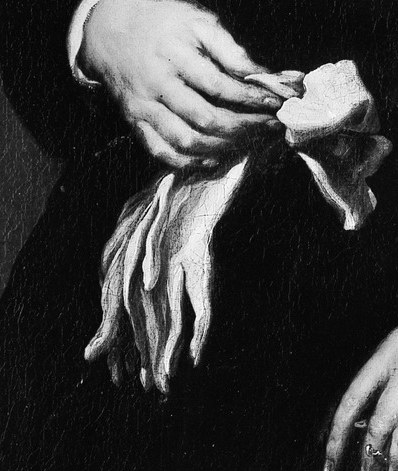
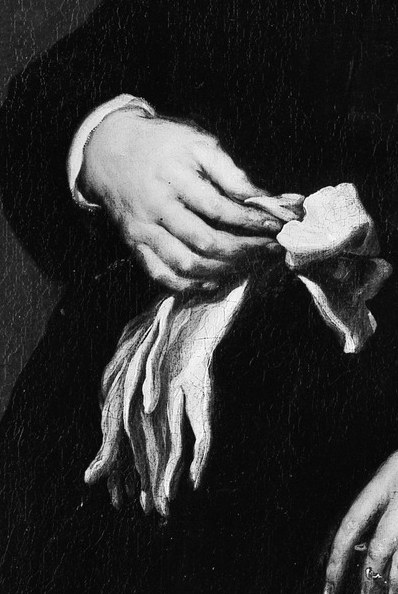
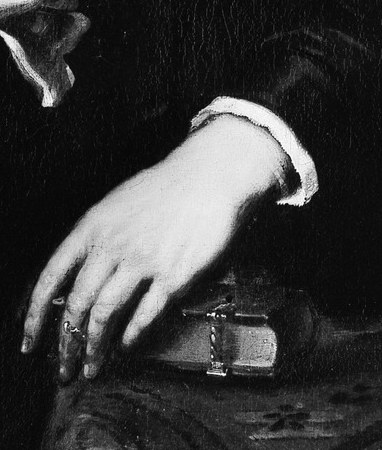
Observe the incredible detail in the woman's starched white collar, which seems to physically project from the canvas, and the soft texture of her white glove. Ovens's skill in rendering these diverse textures, from the crisp linen to the delicate velvet of her dress, is truly remarkable.
Ovens, originally from North Frisia, became a prominent portrait painter and art dealer. His time studying with Rembrandt heavily influenced his dramatic use of chiaroscuro, a technique visible in how the woman's illuminated face and hands emerge from the deep, dark background, creating a sense of three-dimensionality and presence.
What other textures do you notice in the painting, and how do they contribute to its overall impact?
Details
Transcript
This painter was a student of Rembrandt in 17th-century Holland. He captures the woman's presence through light and shadow. Her starched white collar appears to stand out from the canvas. Notice how he paints the delicate folds and crisp edges. Her soft white glove, almost glowing, is painted with equal skill. He trained to create these lifelike textures from oil paint.