Saint Augustine meditating on the Trinity by Guercino
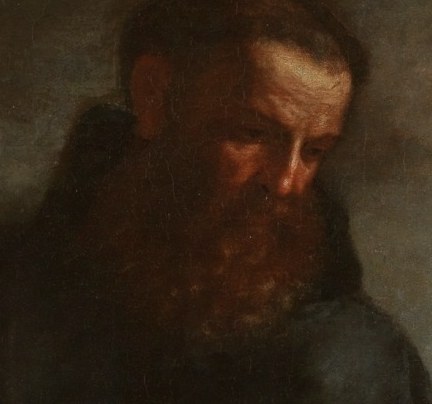
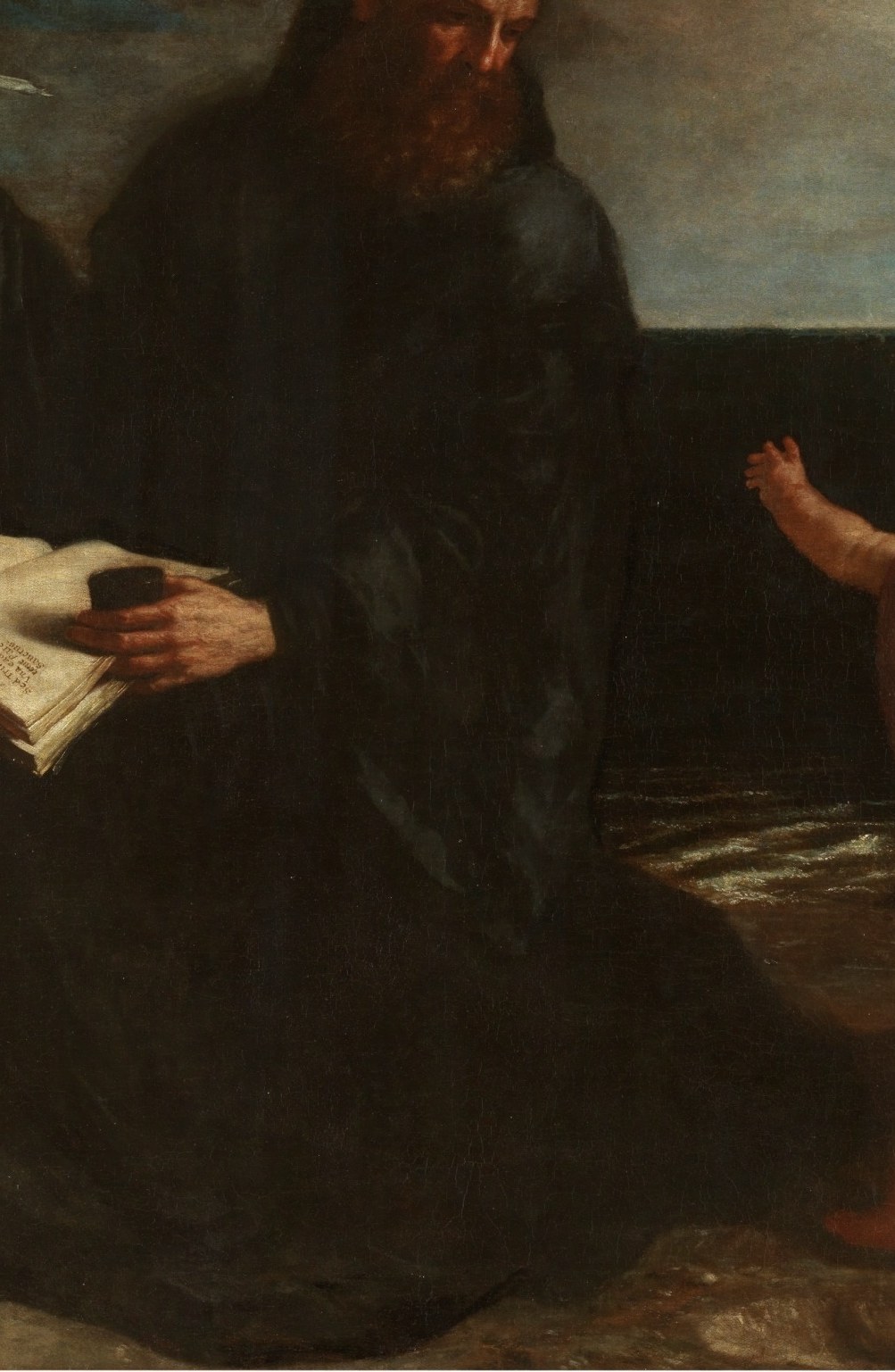
Guercino's 'Saint Augustine meditating on the Trinity' (1636), housed at the Museo del Prado, captures the theologian in a moment of profound contemplation. But beyond his scholarly tools, a tiny detail holds a powerful narrative.
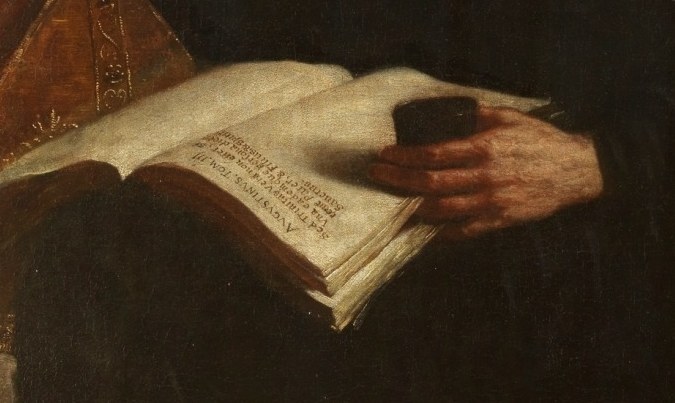
Augustine is shown hunched over an open book, quill in hand, reflecting the intellectual struggle of understanding divine mysteries. The dramatic sky and somber robes underscore the gravity of his task.
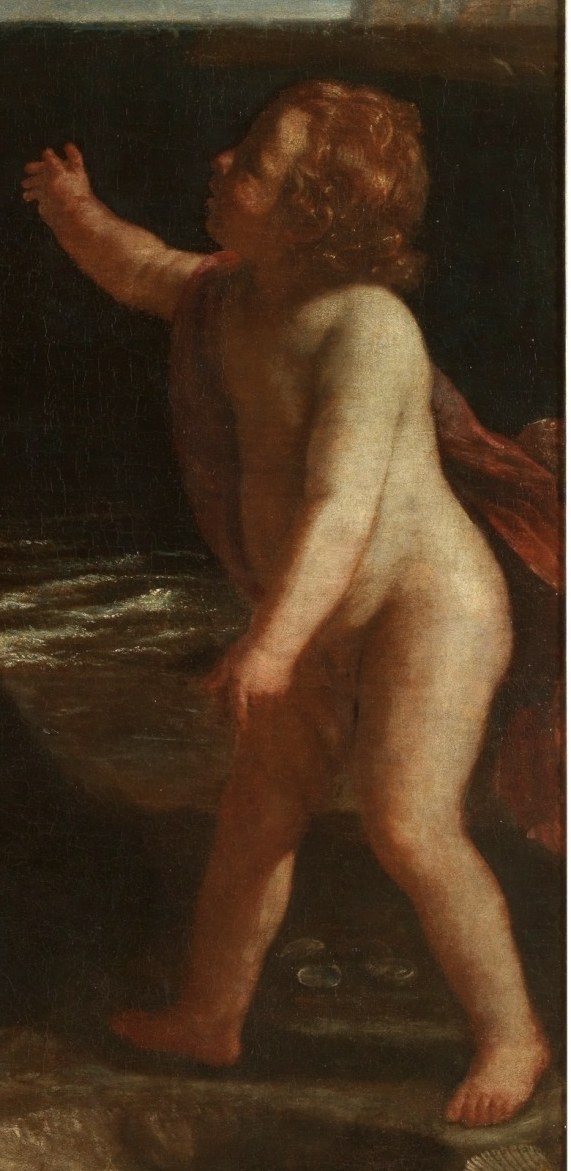
However, a small child figure with an outstretched hand points to a famous legend. Augustine is said to have met a child attempting to empty the entire ocean into a small hole with a spoon, symbolizing the futility of comprehending the infinite Trinity with finite human reason.
This painting, created during Guercino's mature phase, beautifully blends classical balance with Baroque drama, reminding us that some truths defy simple explanation. What do you see in the child's gesture?
Details
Transcript
This is Saint Augustine, deep in thought. He meditates on the mystery of the Holy Trinity. A common subject for this Baroque painter, Guercino. But look closely at the small child. He reaches out, as if with a simple truth. Augustine is said to have encountered a child trying to empty the sea with a spoon. A metaphor for trying to understand the Trinity with human reason.