The Adoration of the Magi by Pieter Aertsen
Pieter Aertsen's 1560 painting, "The Adoration of the Magi," housed in a prominent collection, masterfully blends the sacred narrative with everyday observations.
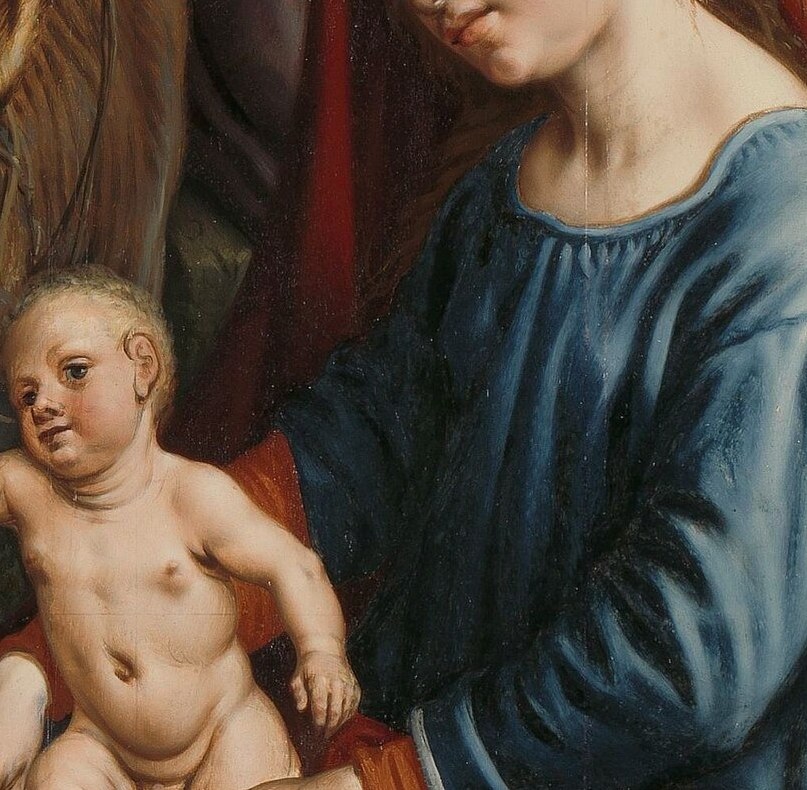
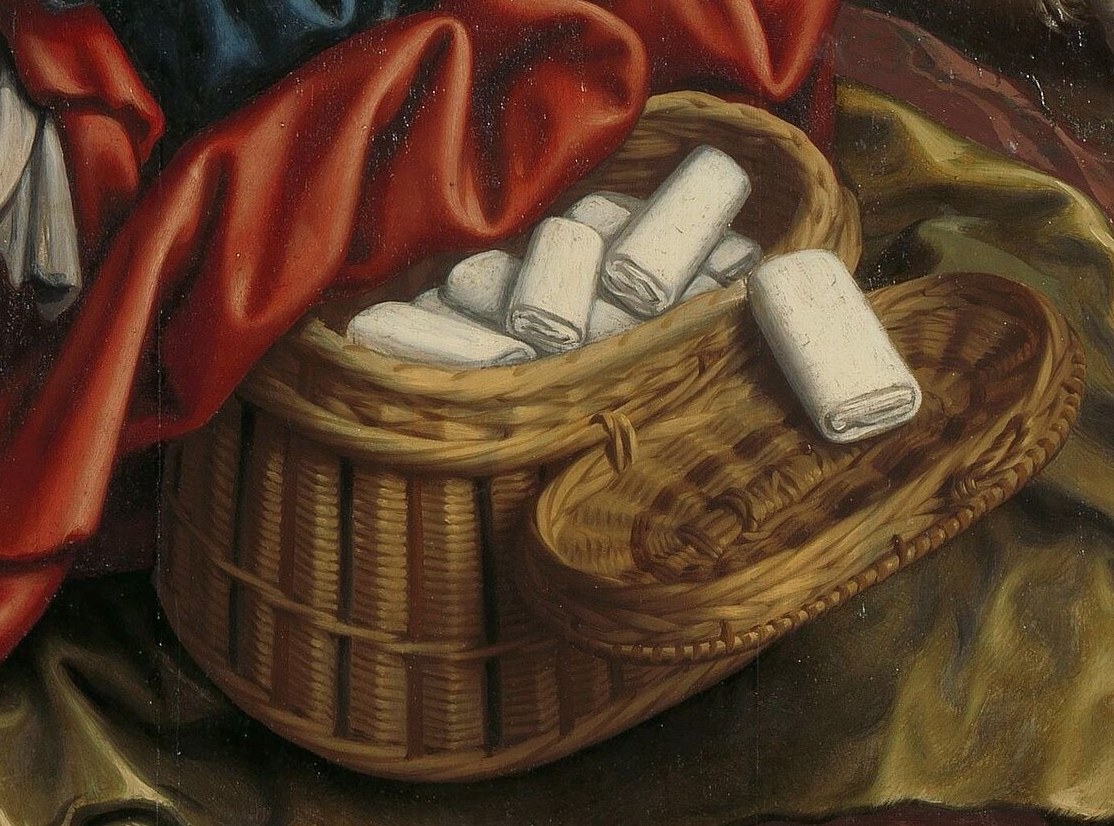
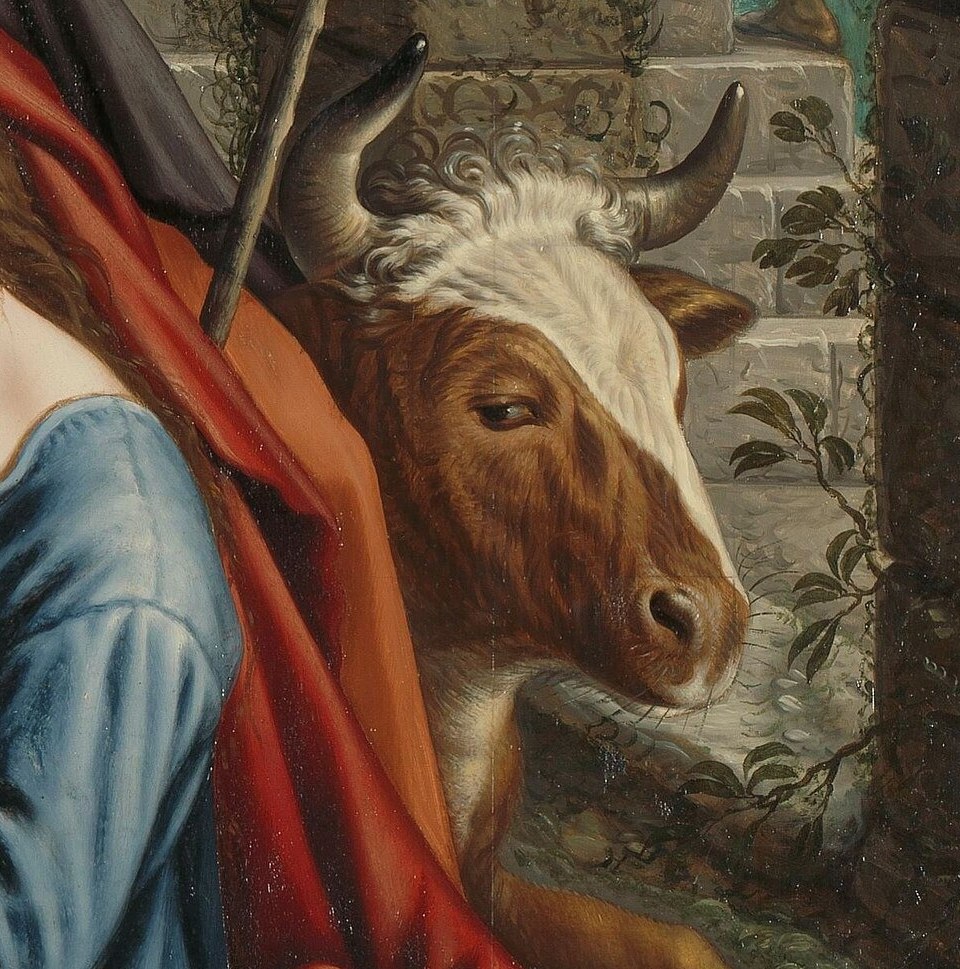
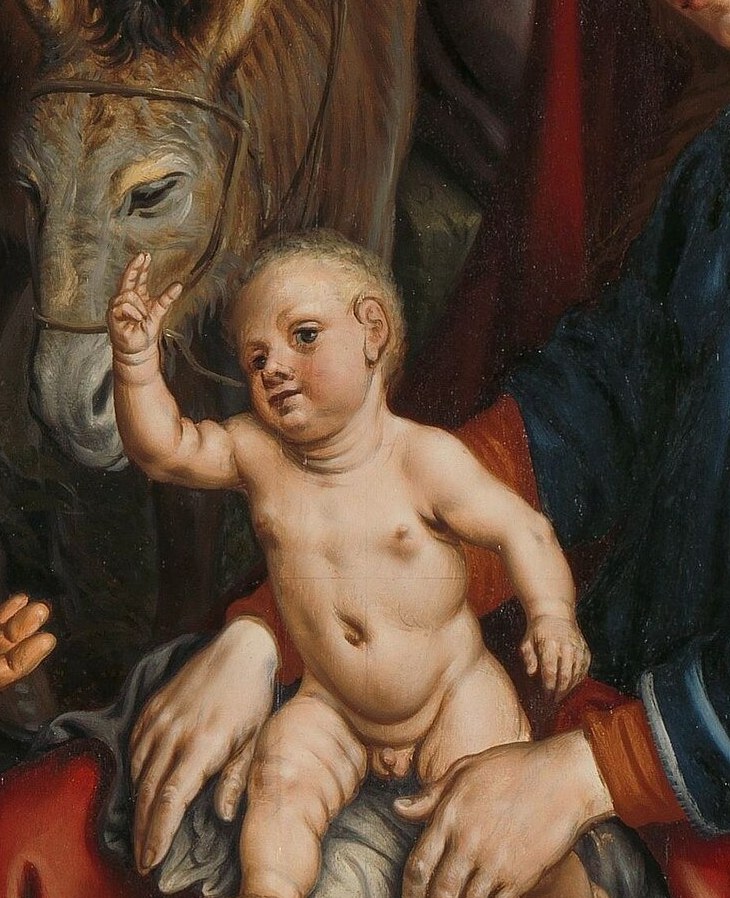
This piece by the Dutch painter, known as "Lange Piet" (Tall Pete), invites viewers to look beyond the central religious figures. Notice the intricate details in the background, like the figure in the archway or the humble ox, which exemplify Aertsen’s innovative approach.
Aertsen was a key figure in Northern Mannerism, working in Amsterdam and Antwerp. His method of integrating still life and genre elements into biblical scenes was highly influential, paving the way for later Flemish Baroque and Dutch still life traditions.
His ability to ground divine stories in the visible world gave his work a unique resonance. What other details can you spot that blur the lines between the holy and the everyday?
Details
Transcript
This 1560 painting shows a familiar story. But look closely, past the main figures. The painter, Pieter Aertsen, mixed sacred with the everyday. He was known as Lange Piet, or "Tall Pete." His innovations led to new kinds of painting in Holland. Even a simple ox becomes an important, grounded detail.