Roundel with Architecture (from a series of The Septem Artes Mechanicae) by http://www.wikidata.org/.well-known/genid/8b74e845930382548ce0cdc5cb054c30
This striking artwork, "Roundel with Architecture," from 1563 by a Netherlandish artist, is part of a larger series depicting "The Septem Artes Mechanicae" (The Seven Mechanical Arts). It offers a fascinating dual perspective on architecture, blending intellectual study with physical construction.
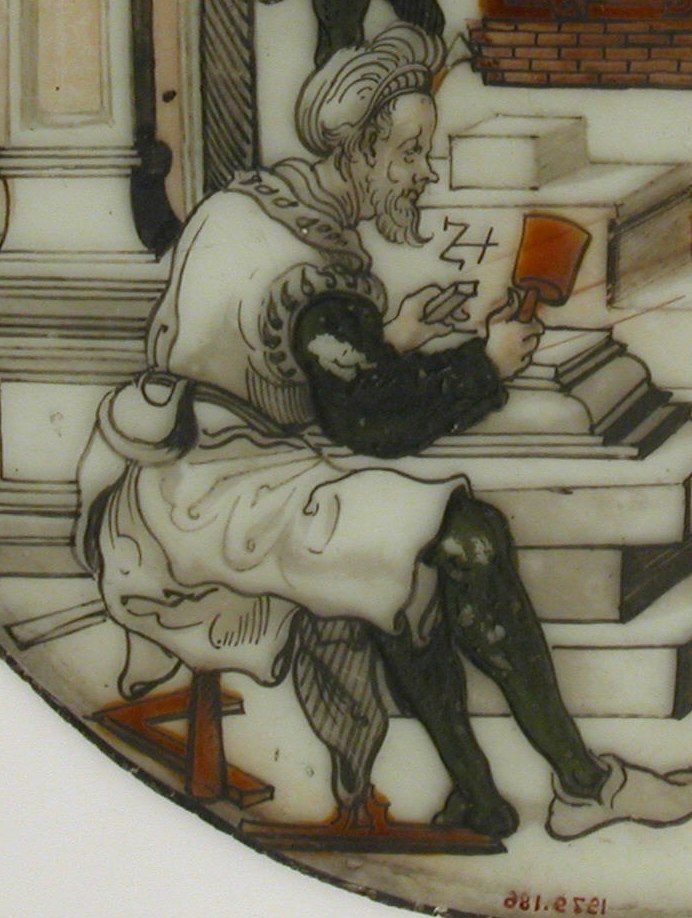
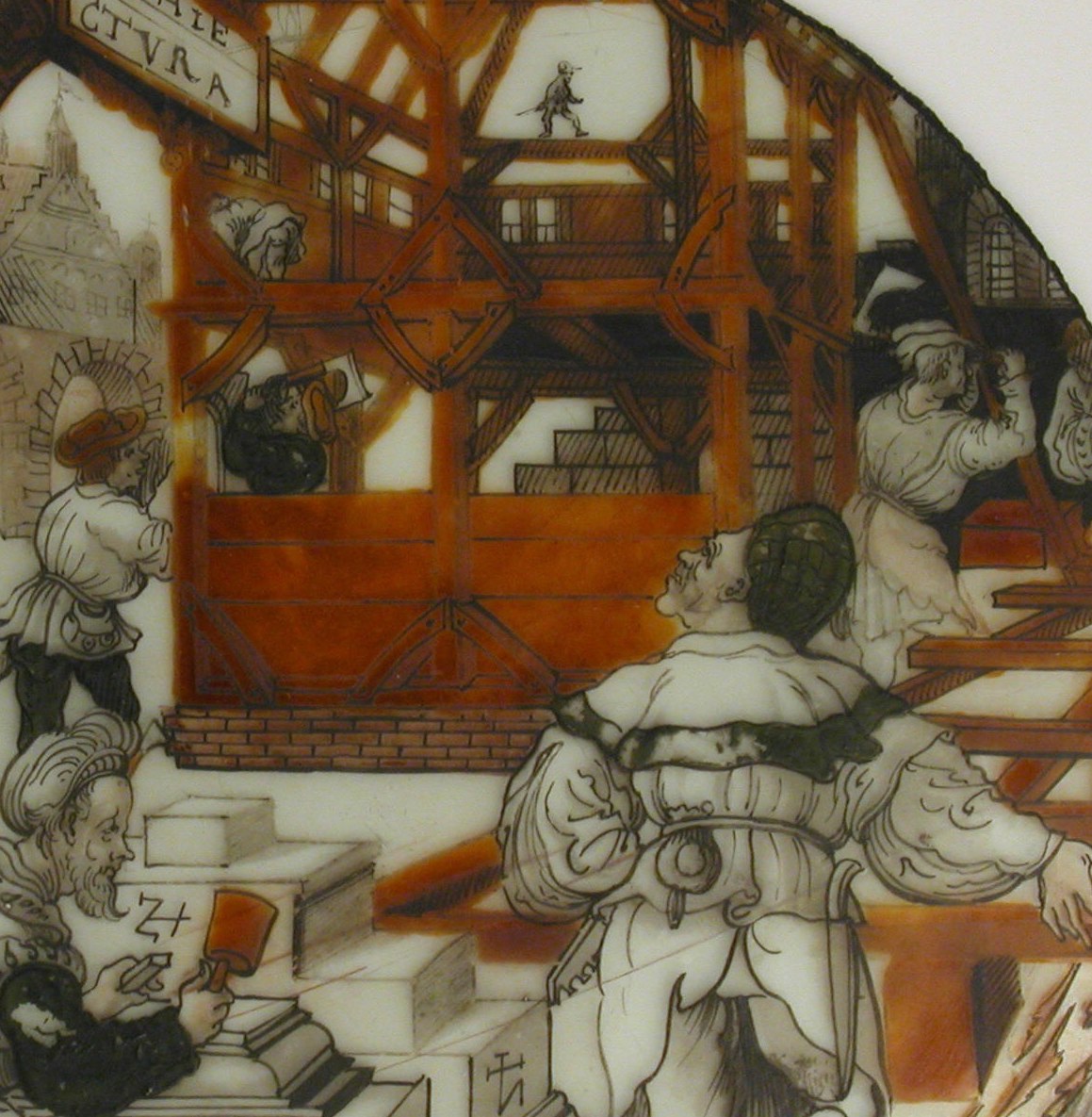
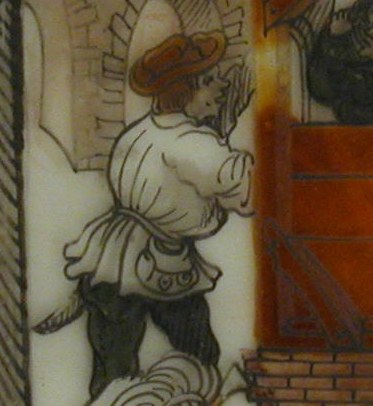
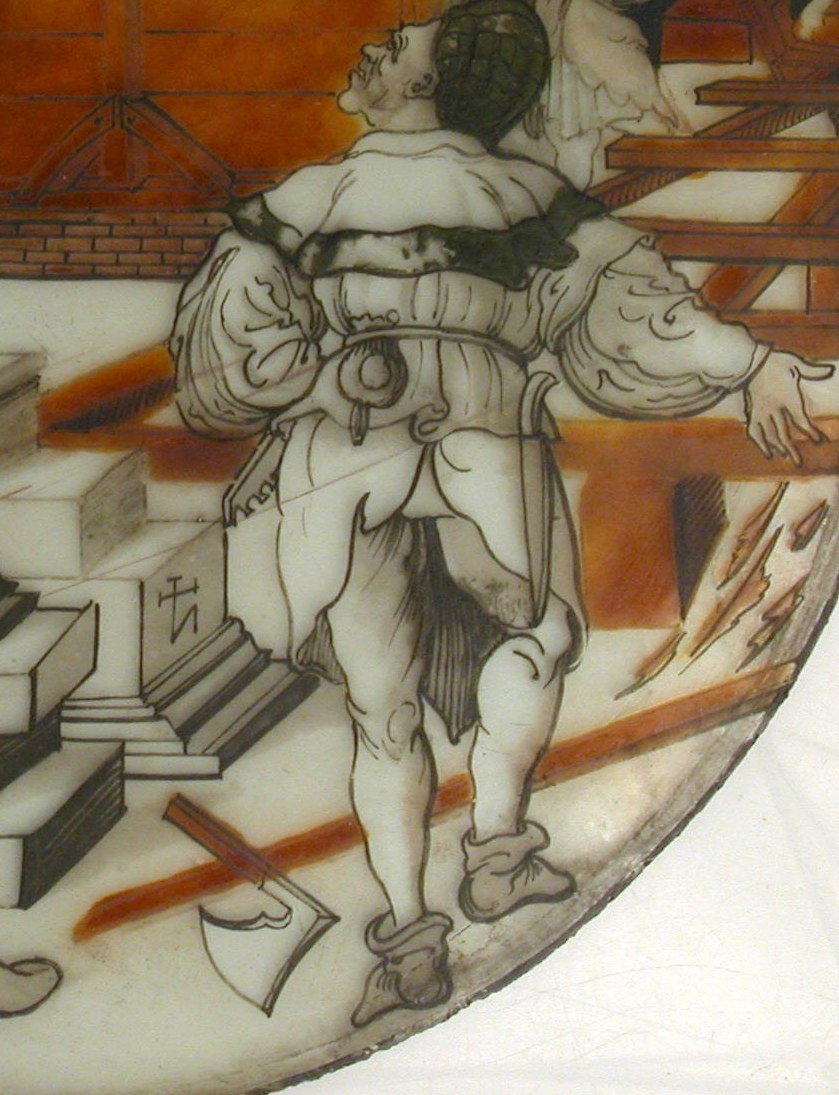
Notice how the artist contrasts the seated scholar, representing the theoretical foundations of design, with the bustling construction site. Look closely at the intricate scaffolding and the various figures, some hammering, others lifting, all contributing to the building process.
This piece, like others in the series, reflects the historical understanding of essential human skills. It's a visual encyclopedia of human endeavor, showing that great architecture requires both mind and hand.
What details surprise you most about the construction scene?
Details
Transcript
This roundel depicts the mechanical art of architecture. On one side, a scholar studies, holding tools of design. He represents the intellectual, theoretical side of building. On the other, a complex construction site hums with activity. Look closely: workers hammer, lift, and carry heavy beams. This shows the practical, hands-on effort of architecture. It's one of a series illustrating the Seven Mechanical Arts.