The Adoration of the Magi by Pieter Coecke van Aelst
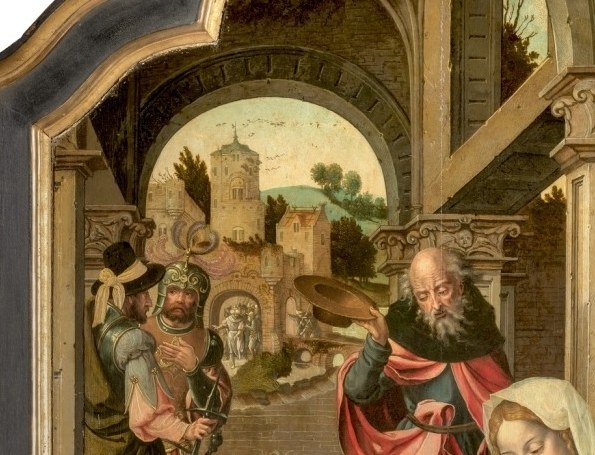
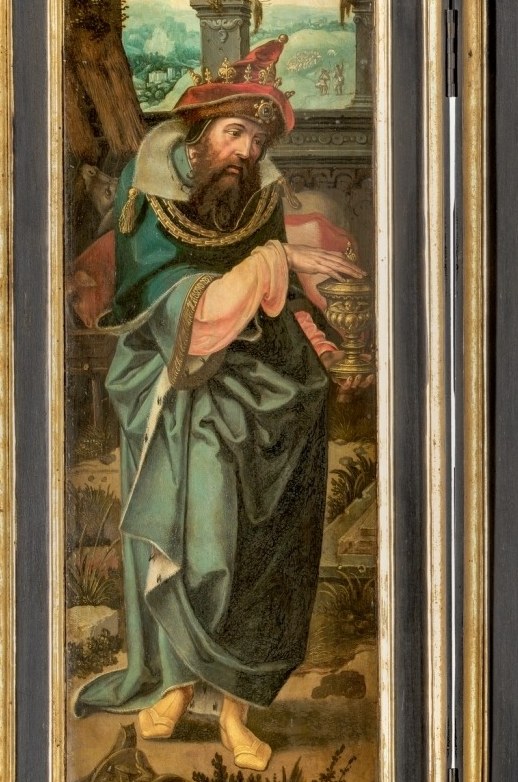
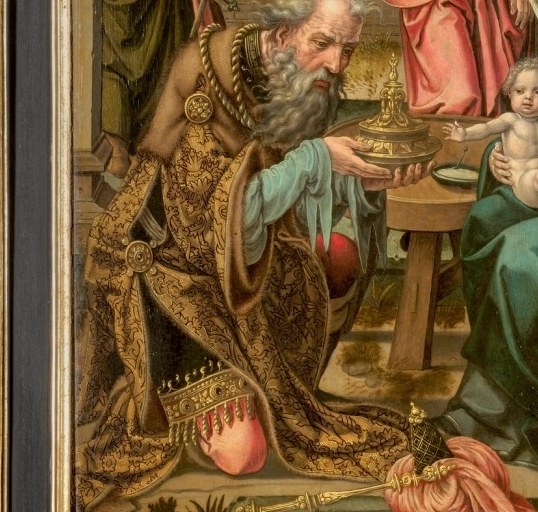
Pieter Coecke van Aelst, a Flemish painter, created "The Adoration of the Magi" around 1530, now held in the Museo del Prado in Madrid. This triptych shows the three wise men presenting gifts to the infant Jesus, a traditional biblical scene.
Look closely at the expressions: the reverence of the kneeling Magus and the tender humility in Mary's face. The artist's meticulous glazing technique creates a luminous quality, making the figures softly illuminated against a richly detailed background.
Before achieving recognition as court painter to Emperor Charles V, van Aelst undertook an ambitious, two-year journey overland to Turkey, seeking new patrons. He returned home without success, only to find his true artistic calling and patronage closer to home, in Antwerp and Brussels.
This personal journey of seeking and finding may have informed the profound emotion he imbued into this sacred scene. What feelings does this work evoke in you?
Details
Transcript
This painter was court artist to Holy Roman Emperor Charles V. But before that, he embarked on a long, arduous journey. He traveled overland to Turkey, hoping to find new patrons. He returned home disappointed, after two long years. Perhaps this explains the reverence in the kneeling Magus. And the tender humility in Mary's face. He found his true patrons, not in Istanbul, but at home.