The Triumph of Camillus by Biagio d'Antonio
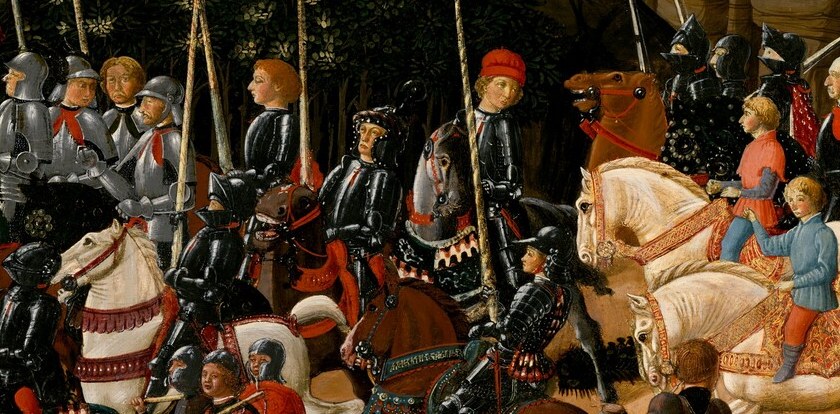
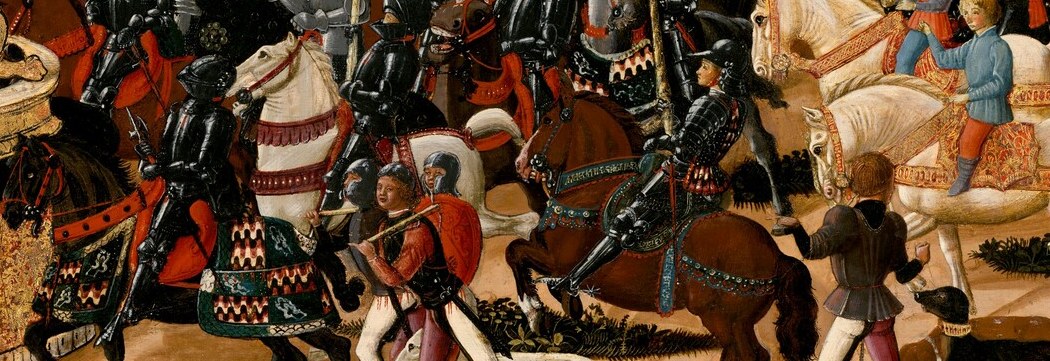
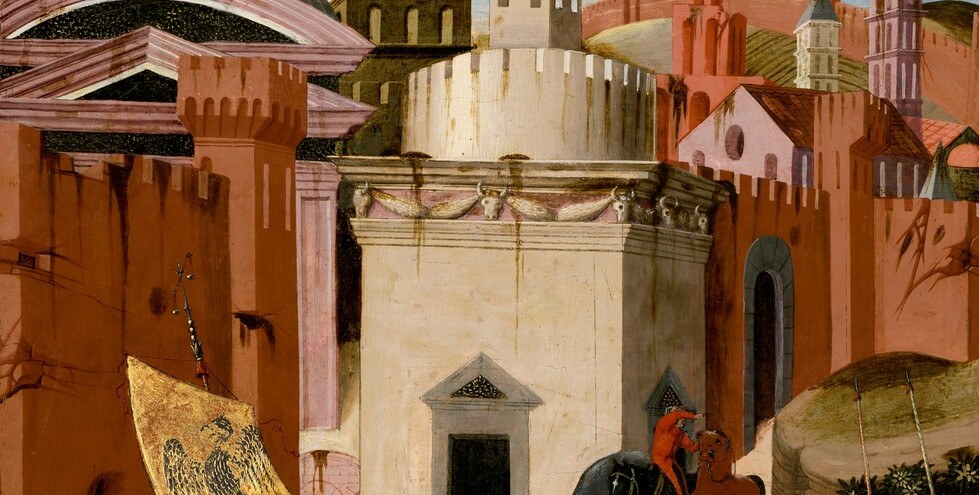
The Triumph of Camillus, painted by Biagio d'Antonio around 1472, survived the Second World War in three separate pieces. Today it hangs intact, but the scars of its rescue are still visible.
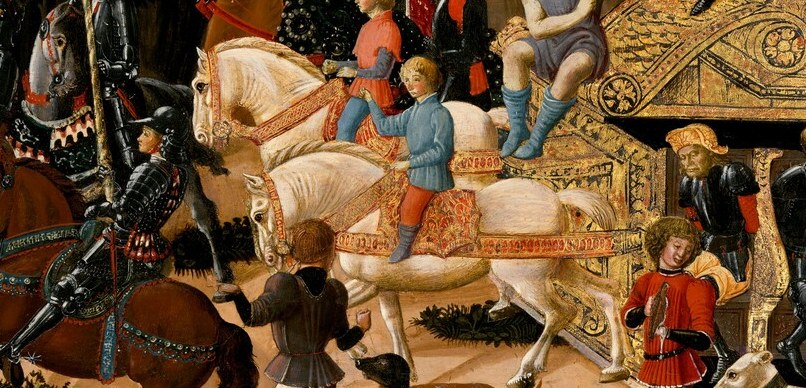
Look at the golden chariot in the center of the procession. A horizontal seam runs right across it, where the wood panel was sawn apart. The line cuts through the figure of Camillus and the richly caparisoned horses. The repair is nearly invisible unless you know to search for it.
During the Nazi occupation of Italy, art was systematically confiscated and shipped north. Museum staff and private citizens faced an impossible choice: let the cultural heritage be stolen, or risk destroying it to save it. For this painting, they chose the saw. The three fragments were separated, disguised, and hidden in different locations until the war ended.
It is a picture of a triumph, but its own triumph is the quiet one, of being put back together and returned to a museum wall. What would it take for you to cut a masterpiece?
Details
Transcript
It looks like a complete Renaissance triumph. But this painting was once sawn into three separate pieces. The cut ran straight through the golden chariot. During World War II, Nazis were systematically looting Italian art. To save it, someone took a saw to the wood panel. The pieces were disguised as ordinary objects and hidden. After the war, it was reassembled and restored in secret. Look closely at the chariot. You can still see the seams.