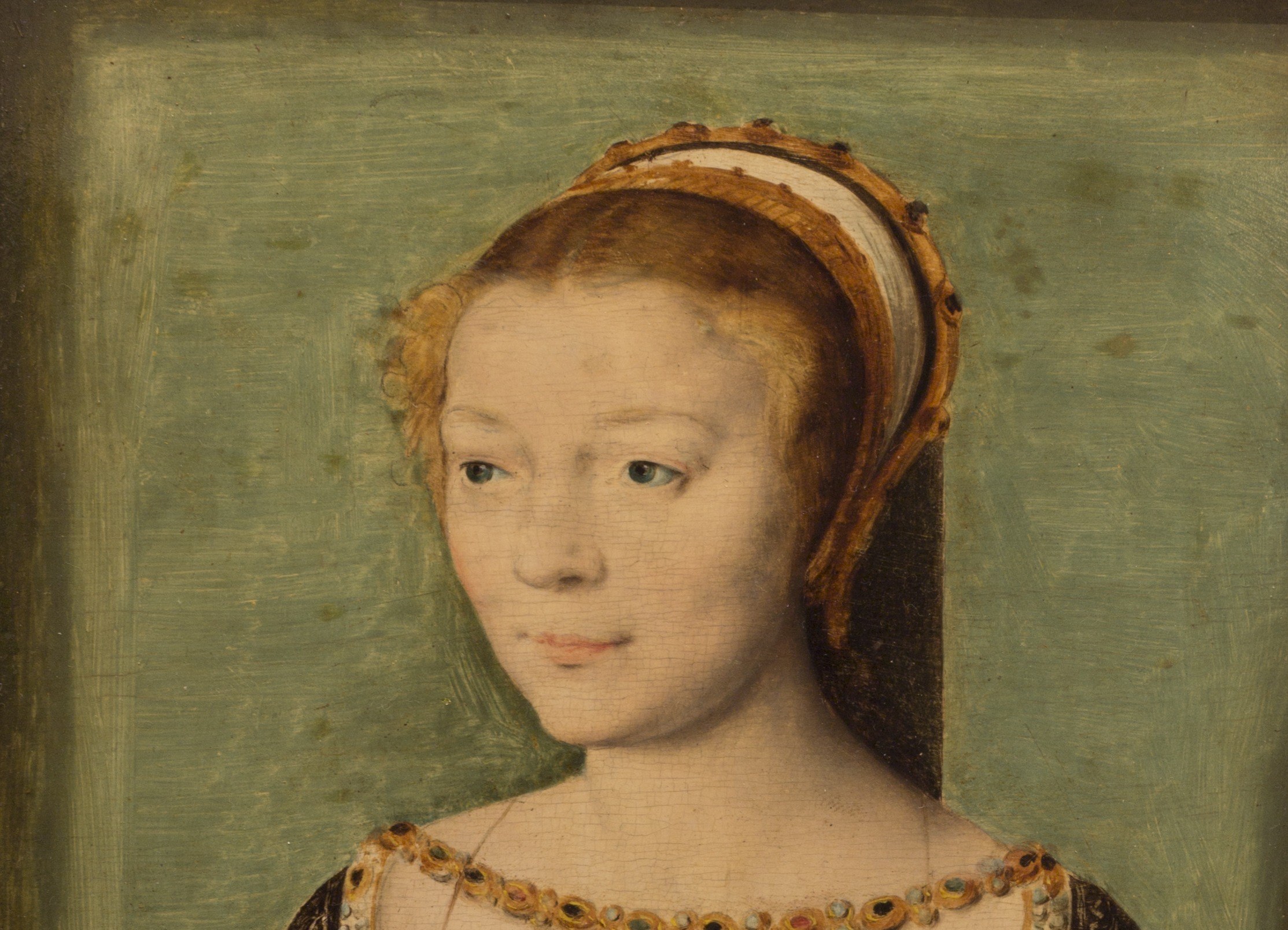
Anne de Pisseleu (1508–1576), Duchesse d'Étampes by Corneille de Lyon
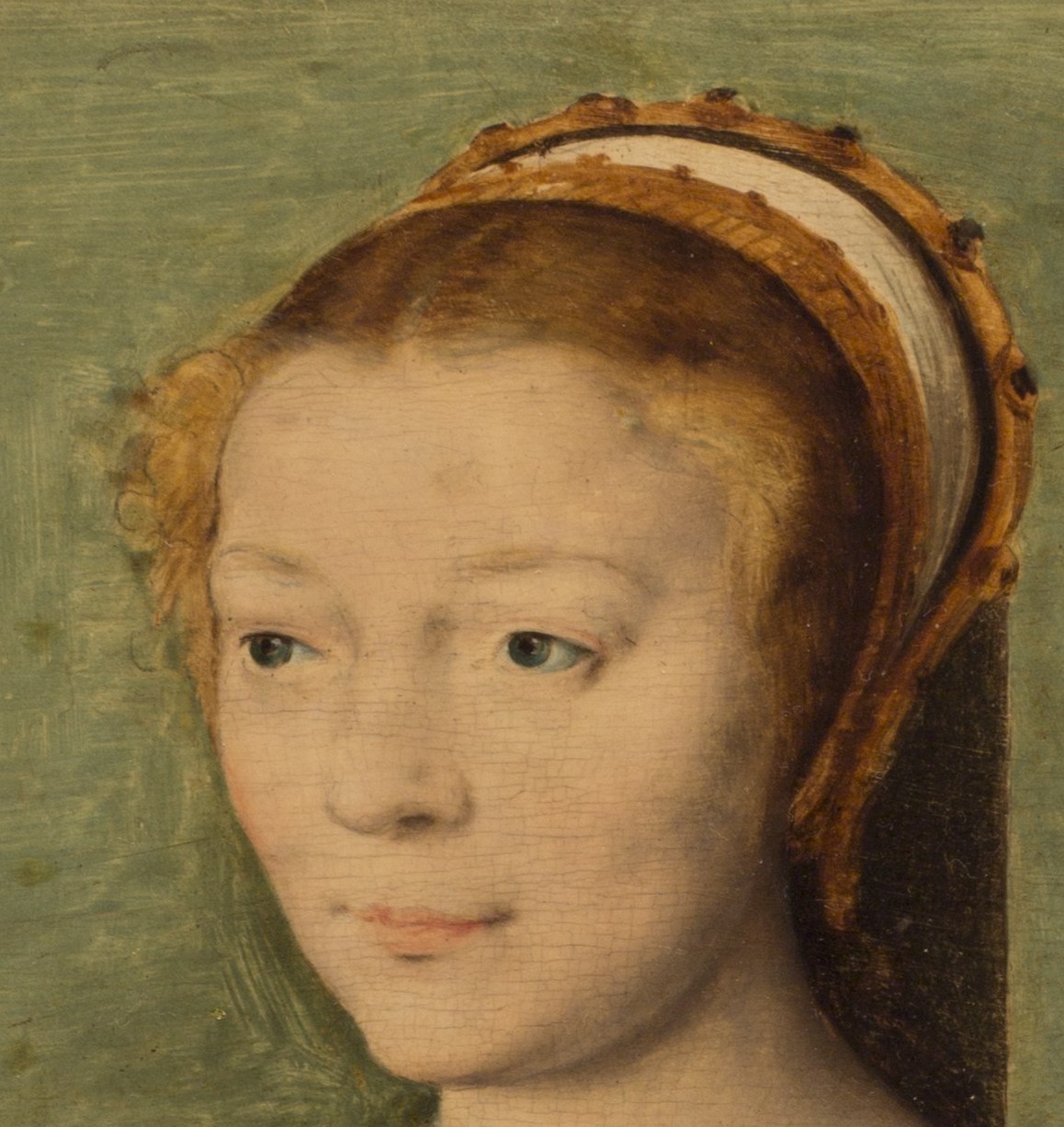
This is Anne de Pisseleu, Duchesse d'Étampes, painted in 1535 by Corneille de Lyon. She was the most powerful woman at the French court for over twenty years, yet she was not the queen. She was the king's mistress, and she wielded her influence with extraordinary skill.
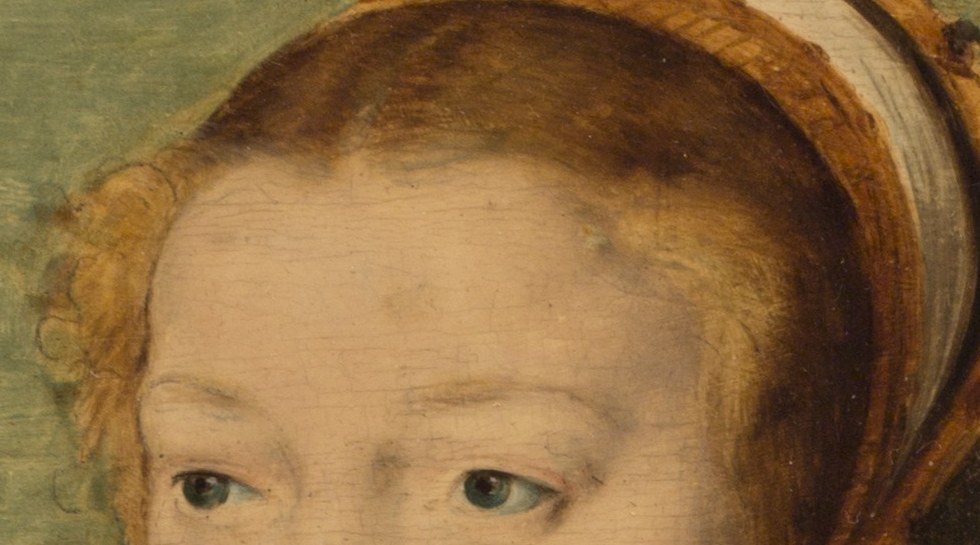
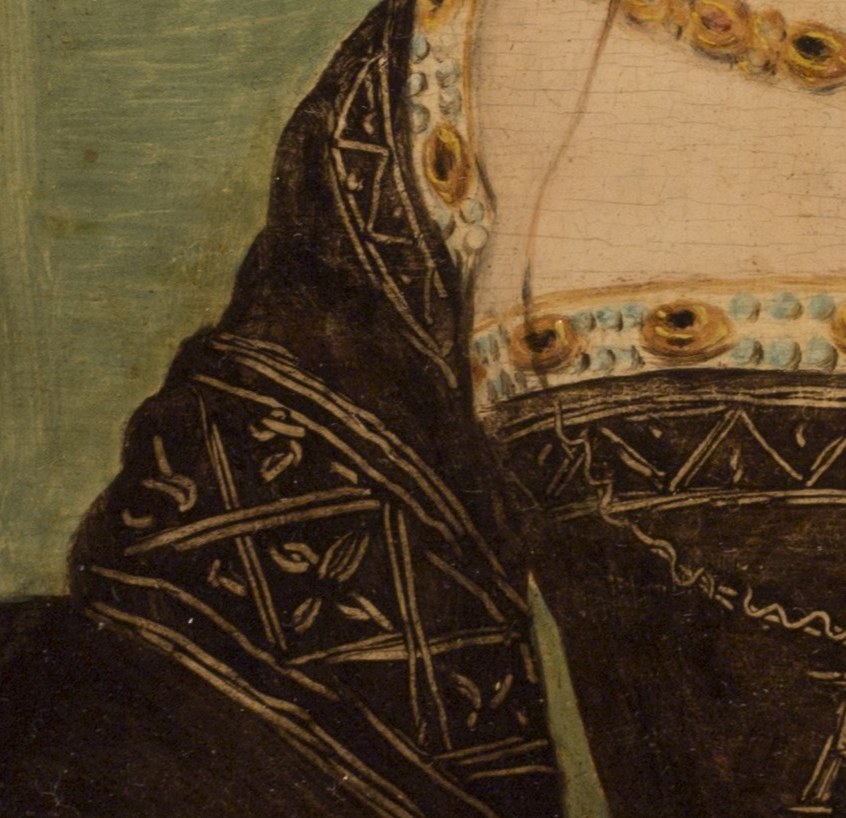
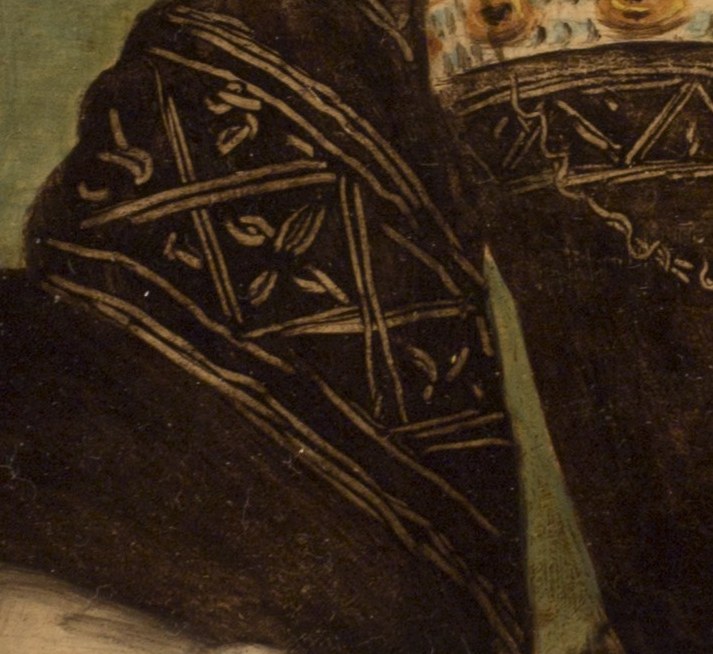
Look at her eyes. Corneille de Lyon specialized in these small, intimate portraits where the sitter's face and gaze carry all the weight. Her expression is composed, slightly averted, a woman who understands that being seen is a performance. The delicate gold embroidery on her dark bodice and sleeves, matched with the ermine trim, was not mere fashion. These were coded signals of rank and royal favor, worn like armor.
Anne came to court as a young woman and caught the attention of Francis I. She outlasted every rival and remained at his side even after the death of Queen Eleanor. She was a patron of artists and architects, a tastemaker who shaped the French Renaissance. This tiny panel portrait, now in the Metropolitan Museum of Art, is one of the few surviving likenesses of her, a woman who understood that power leaves a face before it leaves a name.
Details
Transcript
Her gaze does not meet yours. Anne de Pisseleu was twenty-seven when she sat for this. She had already been the king's mistress for nine years. Every stitch of gold on her sleeve was a political statement. She wore ermine at her wrists, a privilege of nobility. She would keep the king's ear for two more decades. Even after the queen died, Anne remained.