An Old Bridge at Hendon, Middlesex by Frederick W. Watts
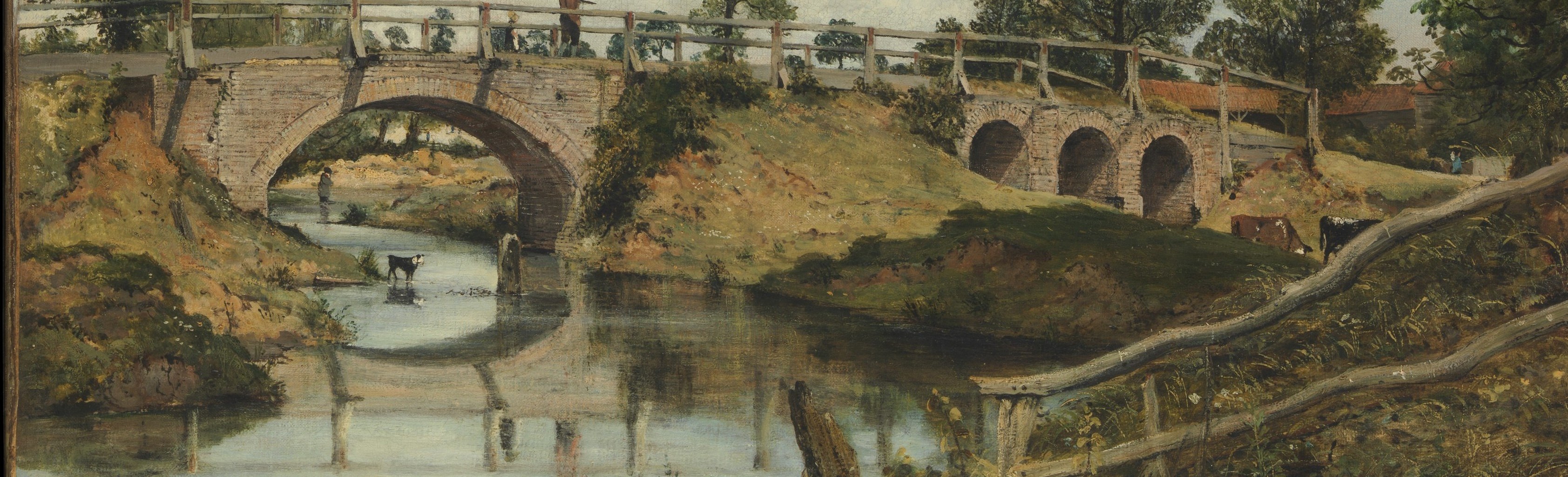
Frederick W. Watts painted An Old Bridge at Hendon, Middlesex in 1828, and eight years later a railway arrived in the village; today the fields he painted are buried under London's northern suburbs.
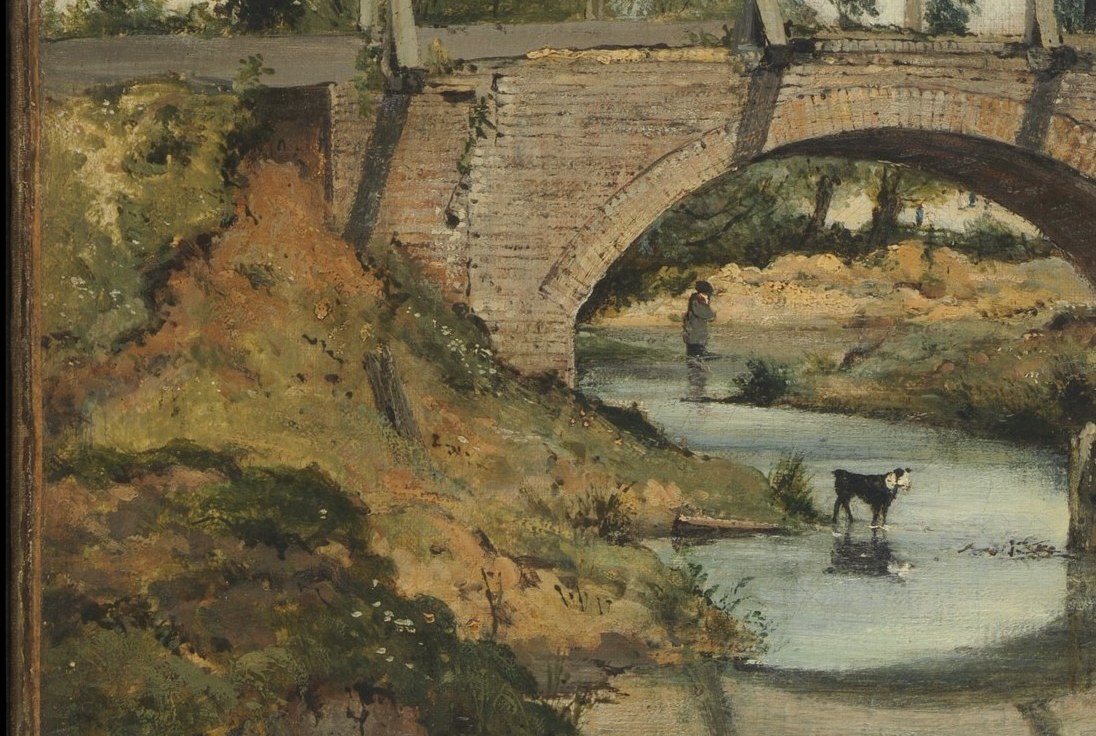
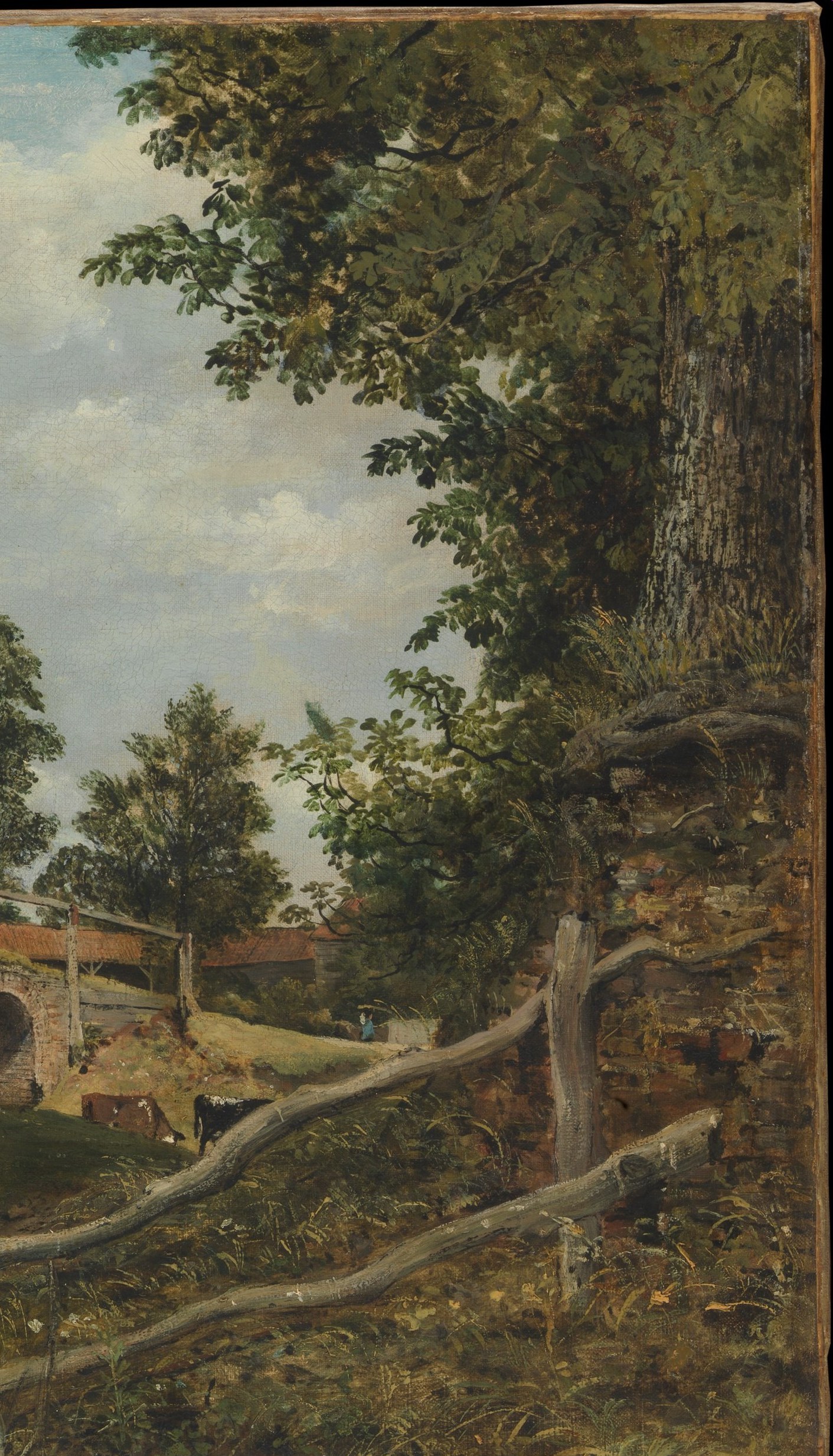
The painting rewards patience. Watts builds his reflection with a near-perfect mirror of the masonry arches, but look at the water just near the banks and you can see the tiny ripples that break the illusion. The brightest spot on the canvas is not in the sky: it is the patch of liquid white paint reflecting the sun back up from the stream's surface.
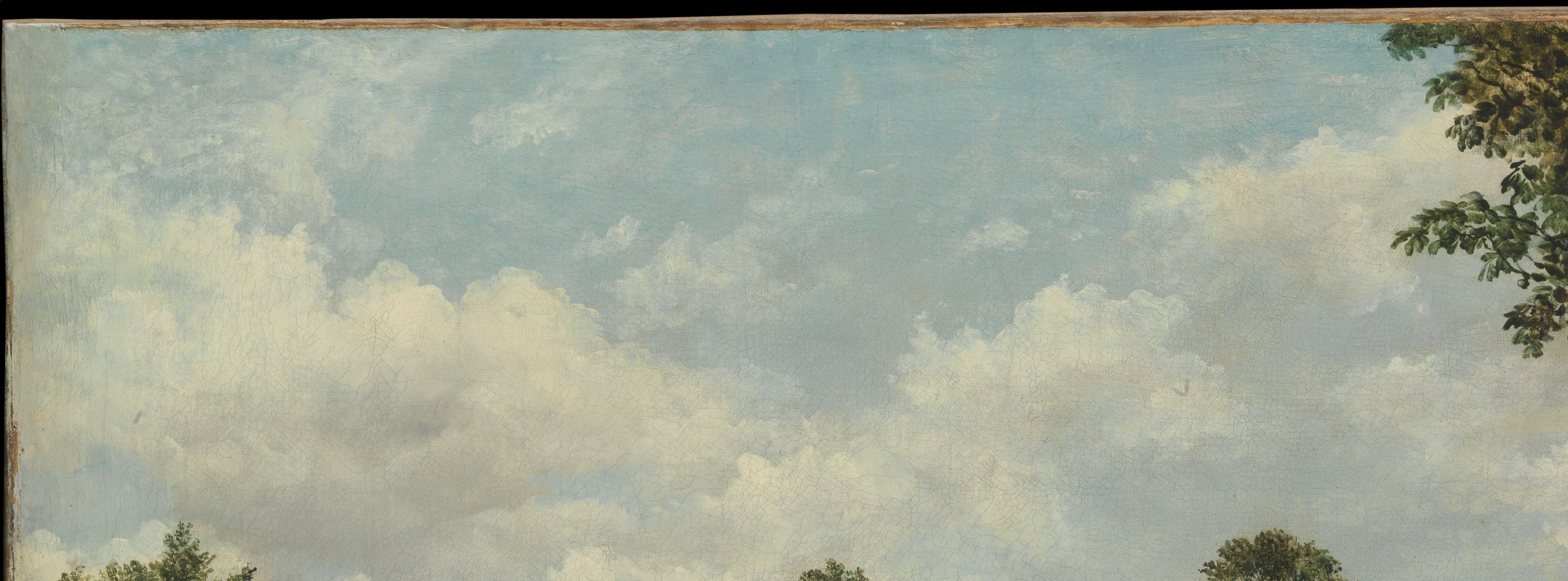
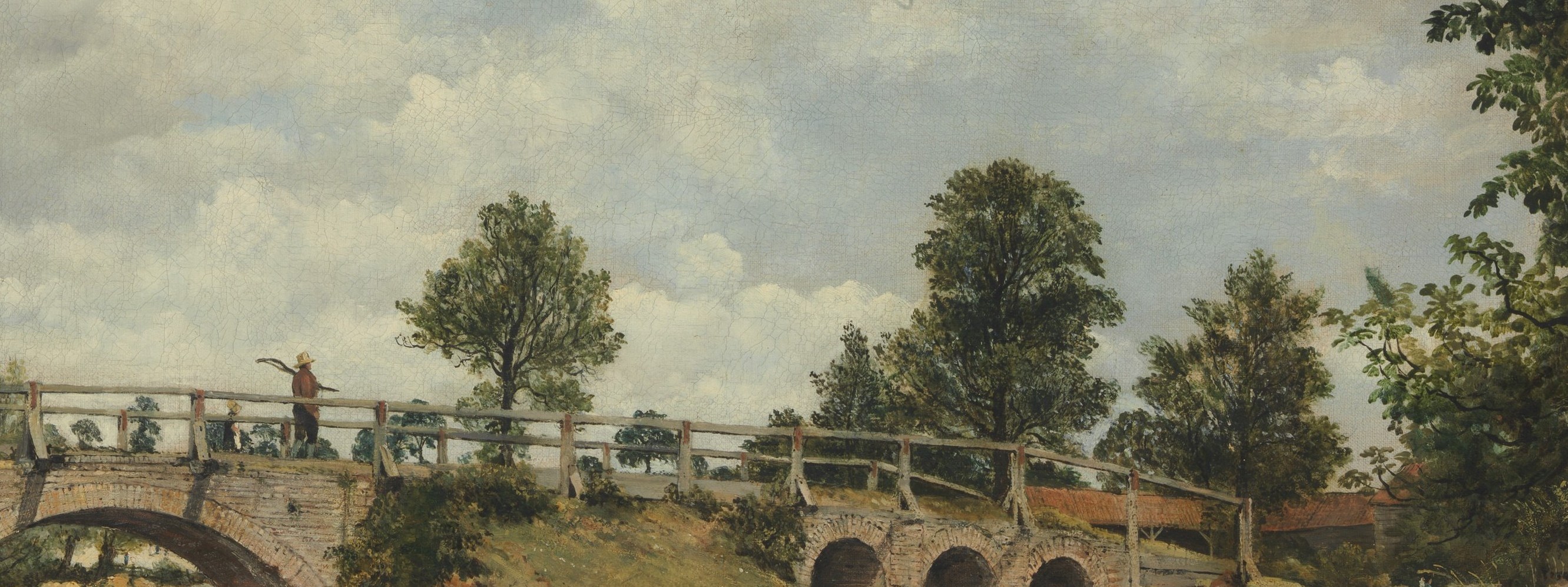
Watts was a devoted follower of John Constable, and you can see the debt in the cloudwork. Those cumulus forms are not simply white, they are built from cream, dove gray, and blue-lavender, the heavy, layered brushwork catching light in relief. His name was muddled for over a century; he exhibited as F.W. Watts but has been catalogued as Frederick Waters Watts, William Watts, and Frederic William Watts.
The Met holds the painting now, but it began as a record of a real place: the old bridge at Hendon on the Silk Stream, a spot already old in 1828. Watts preserved a landscape the train lines would soon erase. What happens when an artist paints a reflection of a world that is about to disappear?
Details
Transcript
An old stone bridge, north of London. 1828. Look down. The stream doesn't just reflect light. It builds a precise, inverted twin of the whole bridge. Watts learned this method from his hero, John Constable. Those clouds are not just white. They are built from layered grays and creams. And the brightest light in the whole lower canvas is not the sky itself. It's this painted patch of water, reflecting the sun.