Study of Lilia by Carolus-Duran
Carolus-Duran's 1887 portrait, *Study of Lilia*, in the collection of the Rijksmuseum, appears at first glance to be a formal and dignified work, characteristic of late 19th-century portraiture.
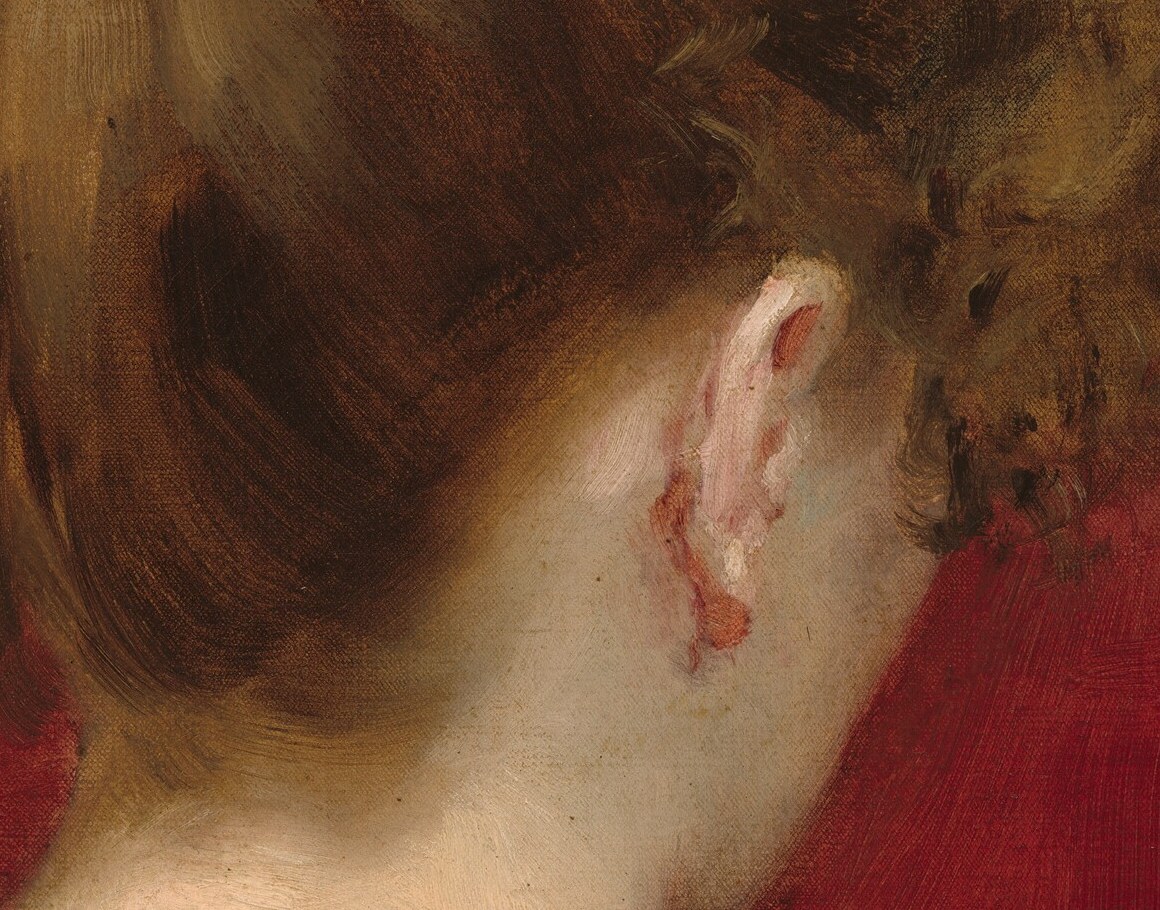
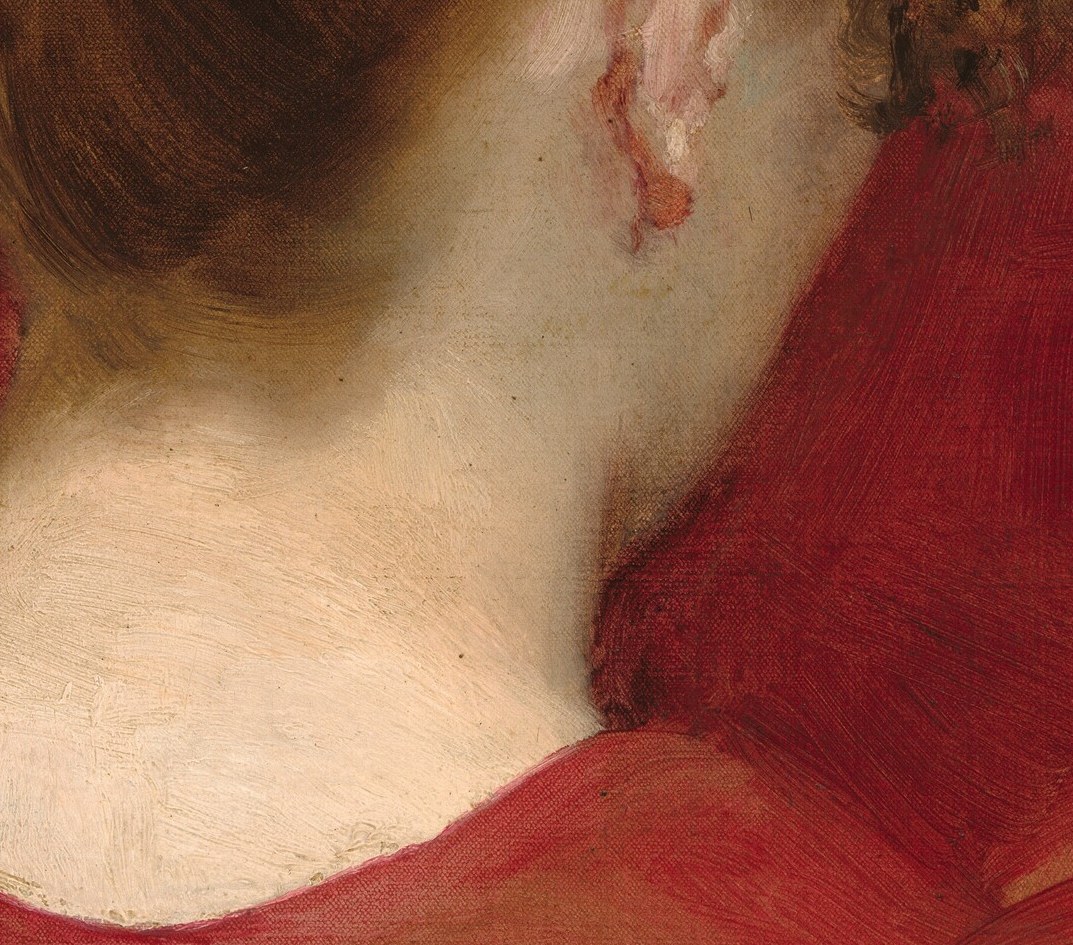
The artist was renowned for his skill in capturing individual likeness with precision and an understated emotional depth. Here, the sitter, Lilia, is presented with a composed expression and dressed in a striking red gown, highlighting the meticulous brushwork on her features and attire.
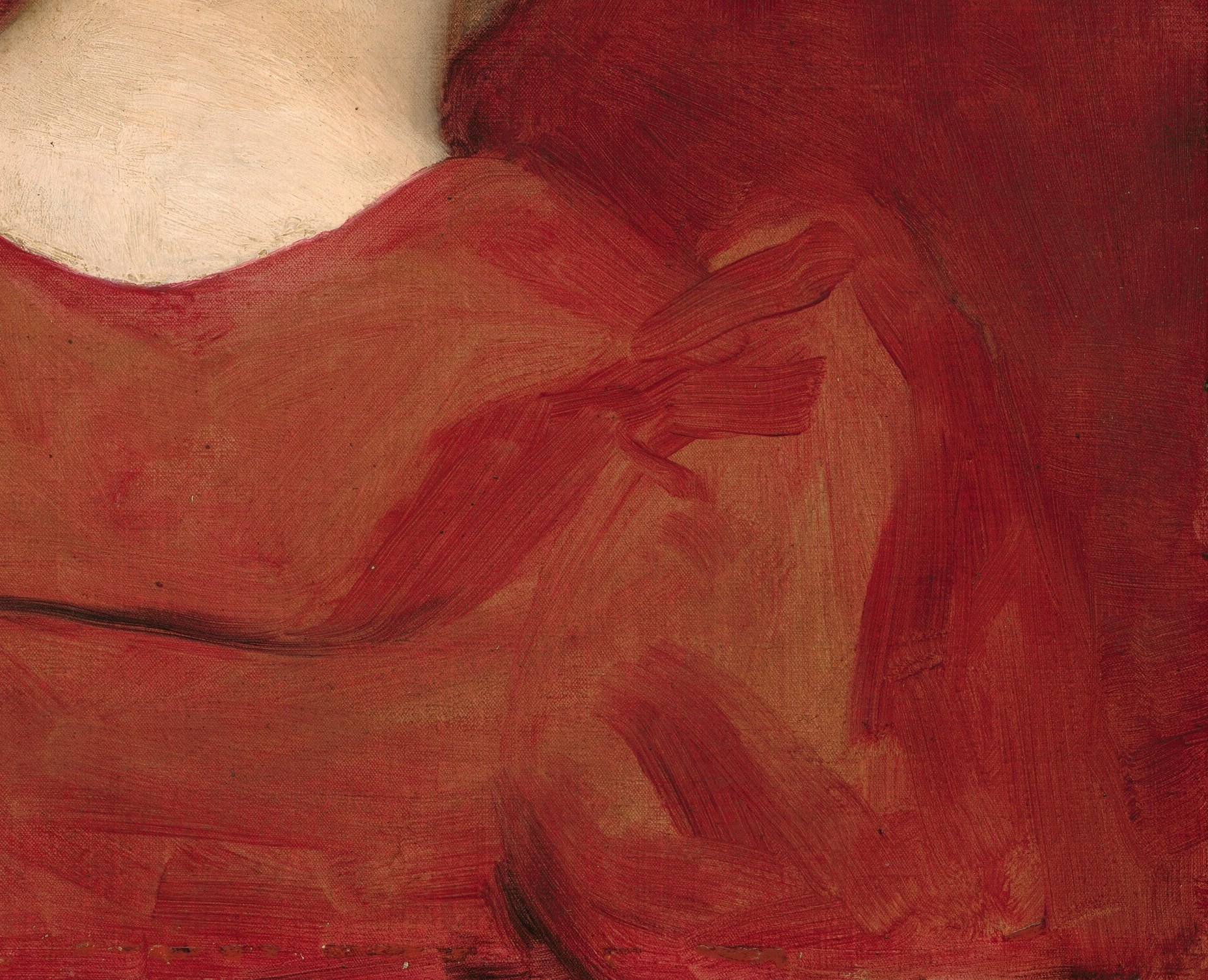
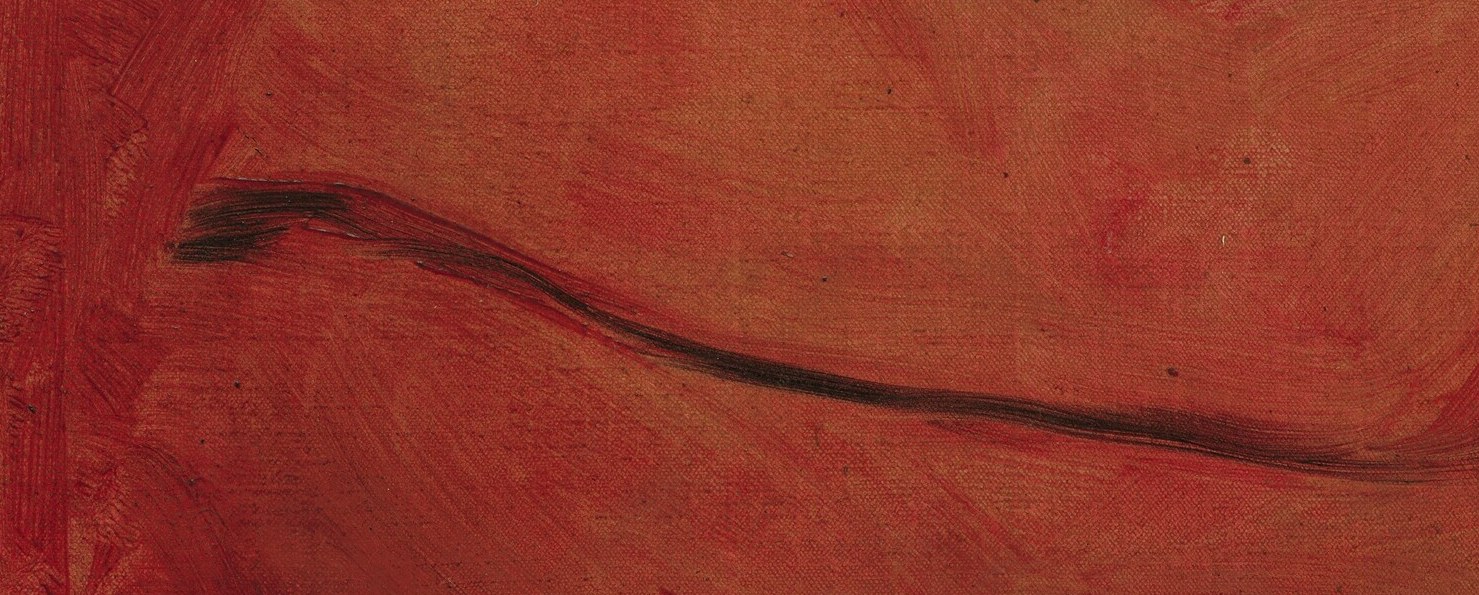
Yet, this painting holds a subtle secret. A bold, sweeping dark line across her red dress was once considered too abstract and unsettling, leading it to be painted over for a period. This detail, now visible again, showcases Carolus-Duran's willingness to experiment with form, even if it challenged contemporary tastes.
The presence of such a dynamic, almost abstract element in a formal portrait adds an intriguing layer to the work, inviting us to reconsider what lies beneath the surface of convention.
Details
Transcript
This portrait by Carolus-Duran feels very proper, at first. The artist was known for capturing likeness with precision. Her expression is composed, her red dress striking. But look closely at the back of her dress. This sweeping dark line was once painted over. Its abstract form was too daring, too unsettling for some.