Lierna by Thomas Moran
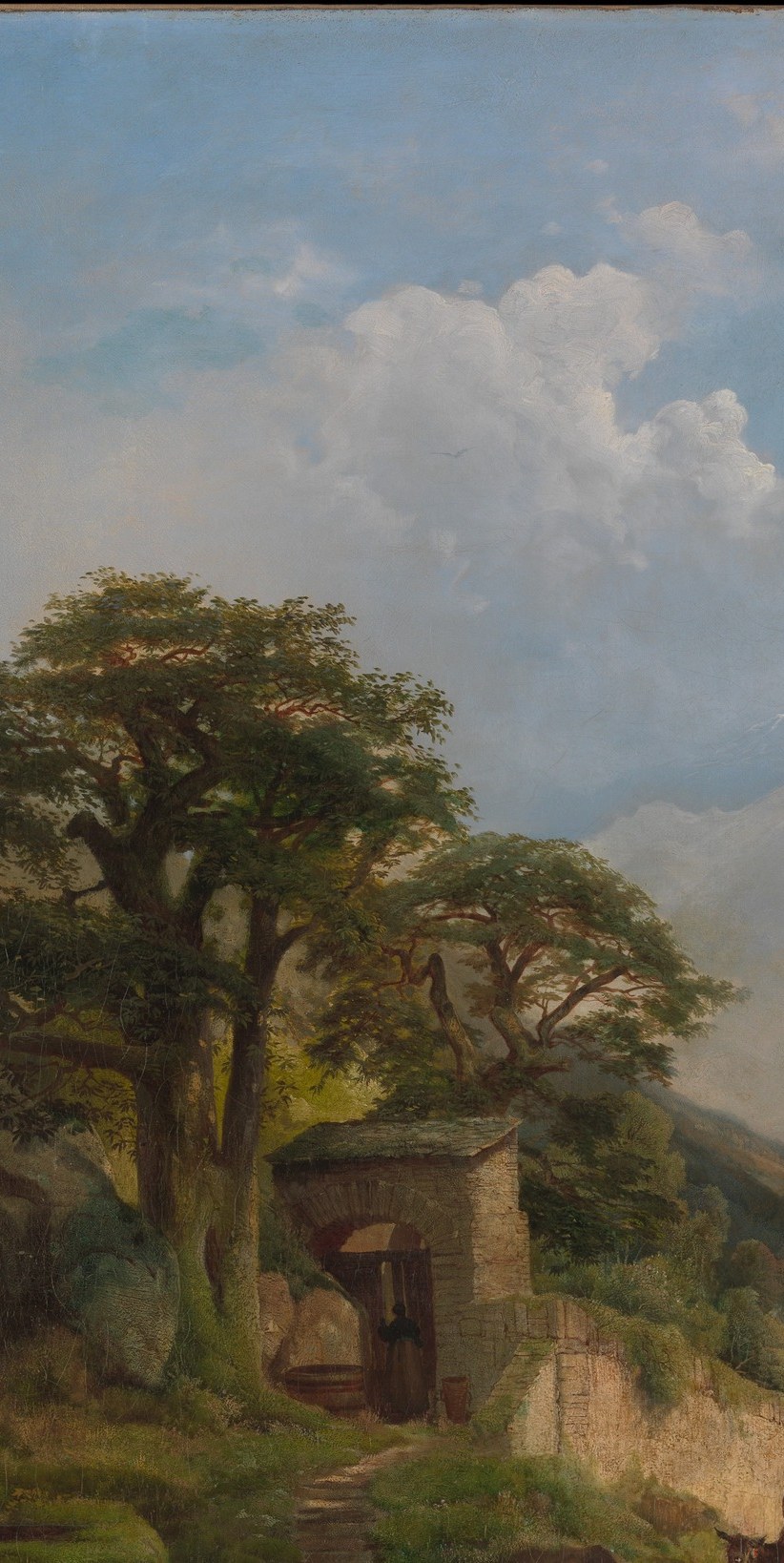
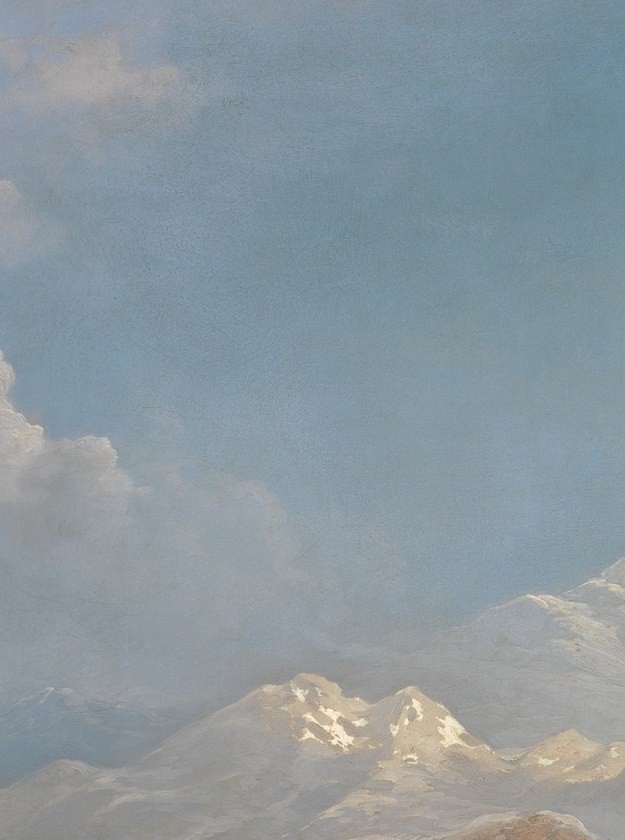
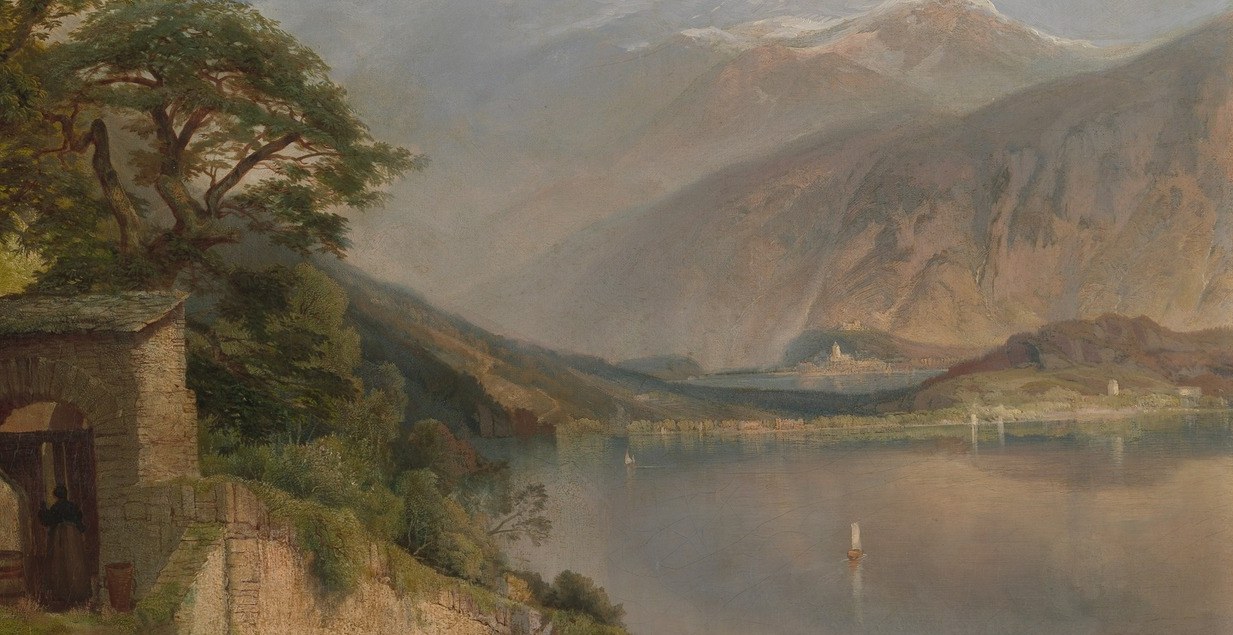
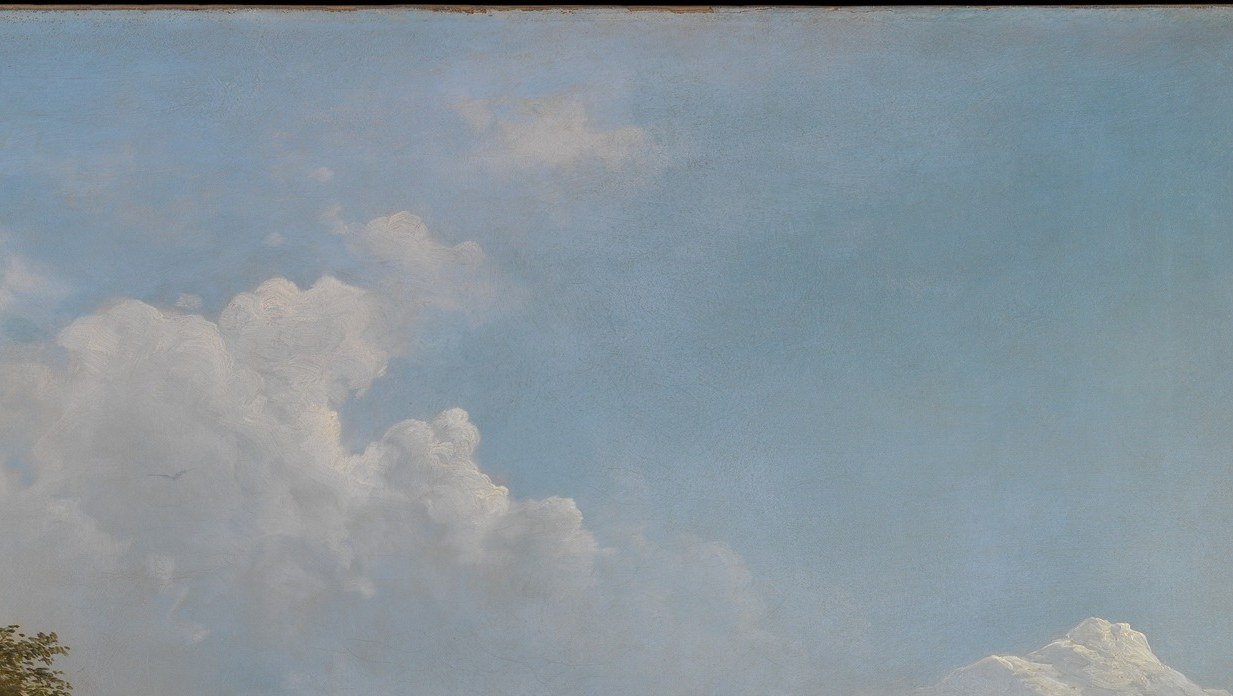
Thomas Moran painted "Lierna" in 1867, early in his career, capturing a view of Lake Como in northern Italy. It is a study disguised as a finished work, a laboratory for the atmospheric light effects that would soon make him famous in the American West.
Stand back and the lake shimmers. Lean in and the illusion breaks apart into individual strokes of cream, pale yellow, cool blue, and grey. Moran never lets the paint go flat; every inch of that reflection oscillates between warm and cool, which is what makes the surface feel alive.
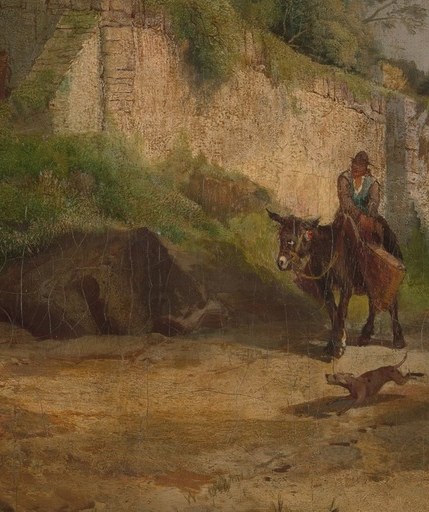
In the late 1860s Moran was chief illustrator for Scribner's Monthly, studying Turner and the English landscape tradition. This Italian scene let him practice the flickering, broken-brush handling of light that he would later apply to his monumental canvases of Yellowstone. The tiny rider on horseback near the ruined arch is the only human scale in the picture, everything else is light and space.
The painting now lives in a private collection, but the lesson it offers is fully public: great spectacle begins with a small, true observation of how light actually behaves on water.
#arthistory #thomasmoran #hudsonriverschool
Details
Transcript
The sky is enormous, but the real subject is in the water. The lake acts as a mirror, doubling the sky's glow. Look at the broken white strokes at center-right. Moran taught himself this on a Hudson River School study trip to England. Warm cream against cool blue, the eye blends them into dancing light. He later scaled this exact technique up for the geysers of Yellowstone.